New Mexico Ski Resorts Map & Guide to Every Ski Area
Skiing in New Mexico is unlike anywhere else in the country, and quite possibly the world. They don’t call it the Land of Enchantment for nothing. Its special sauce starts with snow so light and dry it can feel like angel feathers, then adds abundant sunshine, relatively light crowds and a food culture unlike anywhere else, where red and green chile are the backbone of a cuisine entirely its own. You have to ski it to believe it.
The ski resorts in New Mexico are also far more varied than most people realize. You’ll find serious expert terrain, family friendly ski areas, tiny hills where affordability still matters and mountains that feel worlds apart despite being only a few hours from one another. This New Mexico ski resorts map gives you the lay of the land, followed by our overview of every ski area in the state and what makes each one worth knowing about.
New Mexico Ski Resorts Map
This interactive New Mexico ski resorts map highlights ski areas across the Land of Enchantment, from the high peaks of northern New Mexico to the mountains of the southern part of the state. Click any marker for more information, or download the printable version of the map below.
New Mexico Ski Resorts At A Glance
| Ski Area | Best For | What Stands Out |
|---|---|---|
| Angel Fire Resort | Families and intermediates | Terrain parks, family programs and a strong beginner setup |
| Pajarito Mountain | Value and low crowds | Affordable skiing, technical terrain and a laid back feel |
| Red River | Ski town atmosphere | Walkable Main Street, family friendly terrain and easy lodging access |
| Sandia Peak | Albuquerque access | One of the most unusual city to ski mountain experiences in the country |
| Sipapu | Families and affordability | Small, approachable and one of New Mexico’s best value ski experiences |
| Ski Apache | Southern New Mexico | Big vertical, mild weather and dramatic Sierra Blanca terrain |
| Ski Cloudcroft | Beginners and Families | Tiny, old school and highly dependent on natural snow |
| Ski Santa Fe | Trees and variety | Excellent glades, high elevation and easy access from Santa Fe |
| Taos Ski Valley | Advanced and expert skiers | World class steeps, hike to terrain and deep ski culture |
A Great Place For Families To Learn
Compared to other parts of the country, a New Mexico ski vacation for your family can be a downright bargain. The ski resorts in New Mexico don’t just offer fantastic on the snow adventures for kids, like the Moonstar Mining Camp at Red River, but also plenty to do away from the lifts. Whether your kiddo is a first timer or you’re a pack of seasoned skiers, several of these mountains make families a priority.
For a closer look at which mountains work best for families, check out our guide to the Best New Mexico Ski Resorts For Families.
Angel Fire Resort
Take In A Piece Of Heaven By Skiing Angel Fire
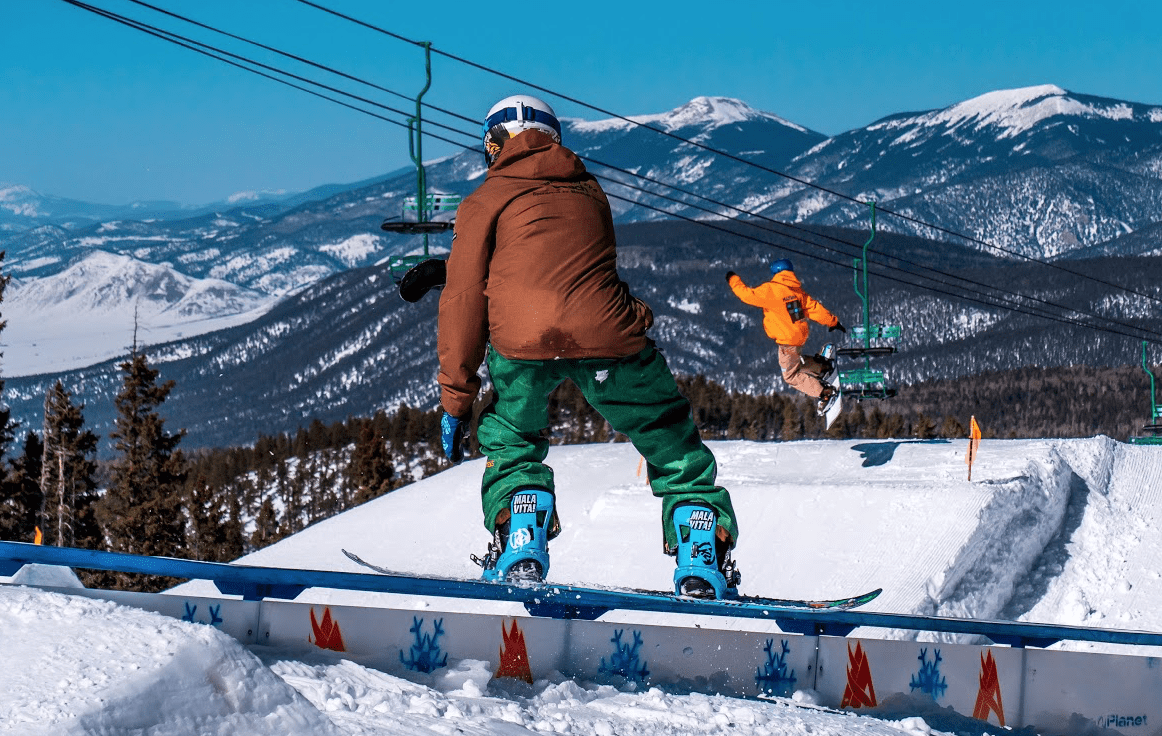
Set in the beautiful Moreno Valley, Angel Fire is best known for its extensive beginner and intermediate terrain, terrain parks, tubing, family friendly accommodations and a mountain layout that makes it easy for groups with different ability levels to ski together. There are a few shortish runs for experts, and three hike to powder runs when conditions allow. Off the slopes, the Country Club area offers Nordic skiing, snowshoeing and sledding for the kiddos, while lodging ranges from a hotel at the base to ski in, ski out condos and homes.
The big change for 2026/27 is the new Angel Express, New Mexico’s first high speed six pack, which replaces the old Chair 2 and opens access to 14 runs, including several new trails. Night skiing, long one of Angel Fire’s signature experiences, is paused for this winter while the resort studies how guests use the expanded terrain and plans a future return under the lights
Vertical: 2,123 feet; Skiable terrain: 627 acres; Average snowfall: 210 inches; Angel Fire Resort Website
Enchanted Forest Cross Country Ski & Snowshoe Area
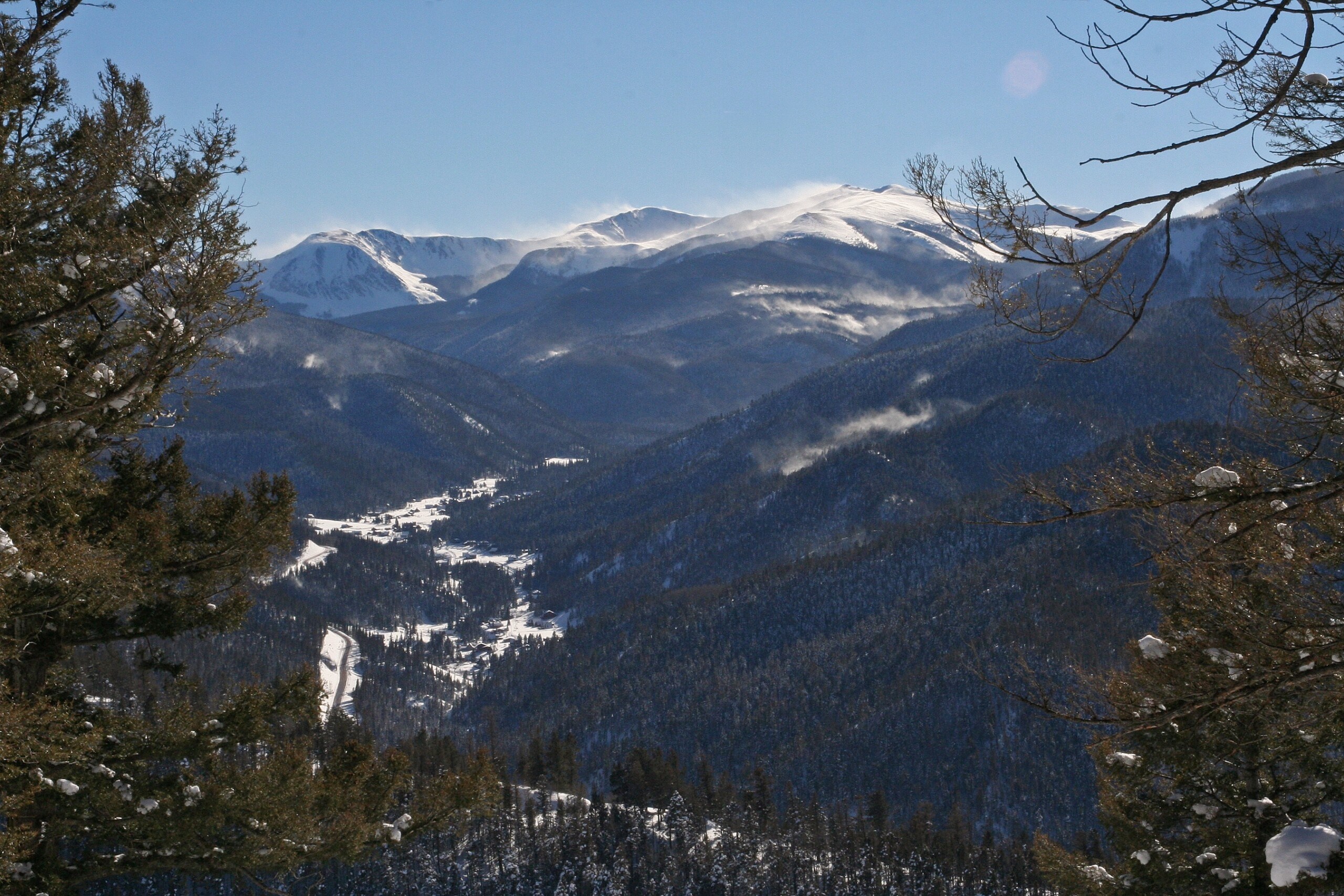
Enchanted Forest will not open for the 2026/27 winter season. After more than 40 years of cross country skiing and snowshoeing above Red River, the current owners have stepped away from operating the area, although the property remains for sale and there’s hope a new owner could bring it back in the future.
When operating, Enchanted Forest is a terrific complement to New Mexico’s downhill skiing, with a friendly vibe, inexpensive rates, a fine range of groomed trails, sublime views and overnight yurt accommodations. Its trail system includes more than 30 kilometers for classic and skate skiing, dedicated snowshoe trails and even dog friendly routes.
Status: Closed for the 2026/27 winter season; Official website: Enchanted Forest XC Ski & Snowshoe Area website
Pajarito Mountain

This fun, smallish, very affordable ski area is rarely crowded, but in a good winter it can deliver excellent powder skiing, as Daniel experienced in March 2024, along with some of the state’s most renowned bump and tree skiing. Set in the beautiful Jemez Mountains just outside Los Alamos, dubbed “The Atomic City,” Santa Fe is only about an hour away.
Pajarito is also entering a new chapter for 2026/27. A major pipeline project is bringing much more reliable water to the mountain’s snowmaking system, allowing the resort to dramatically expand its snowgun fleet and improve early season coverage. Add lift work, trail clearing and other infrastructure upgrades, and the little bird could look noticeably different this winter without losing the uncrowded, old school character that makes it Pajarito.
Vertical: 1,440 feet; Skiable terrain: 280 acres; Trails: 53; Pajarito Mountain Website
Red River Ski Area
Shreddin’ The Gnar Since ’59: Guide To Red River Ski Resort
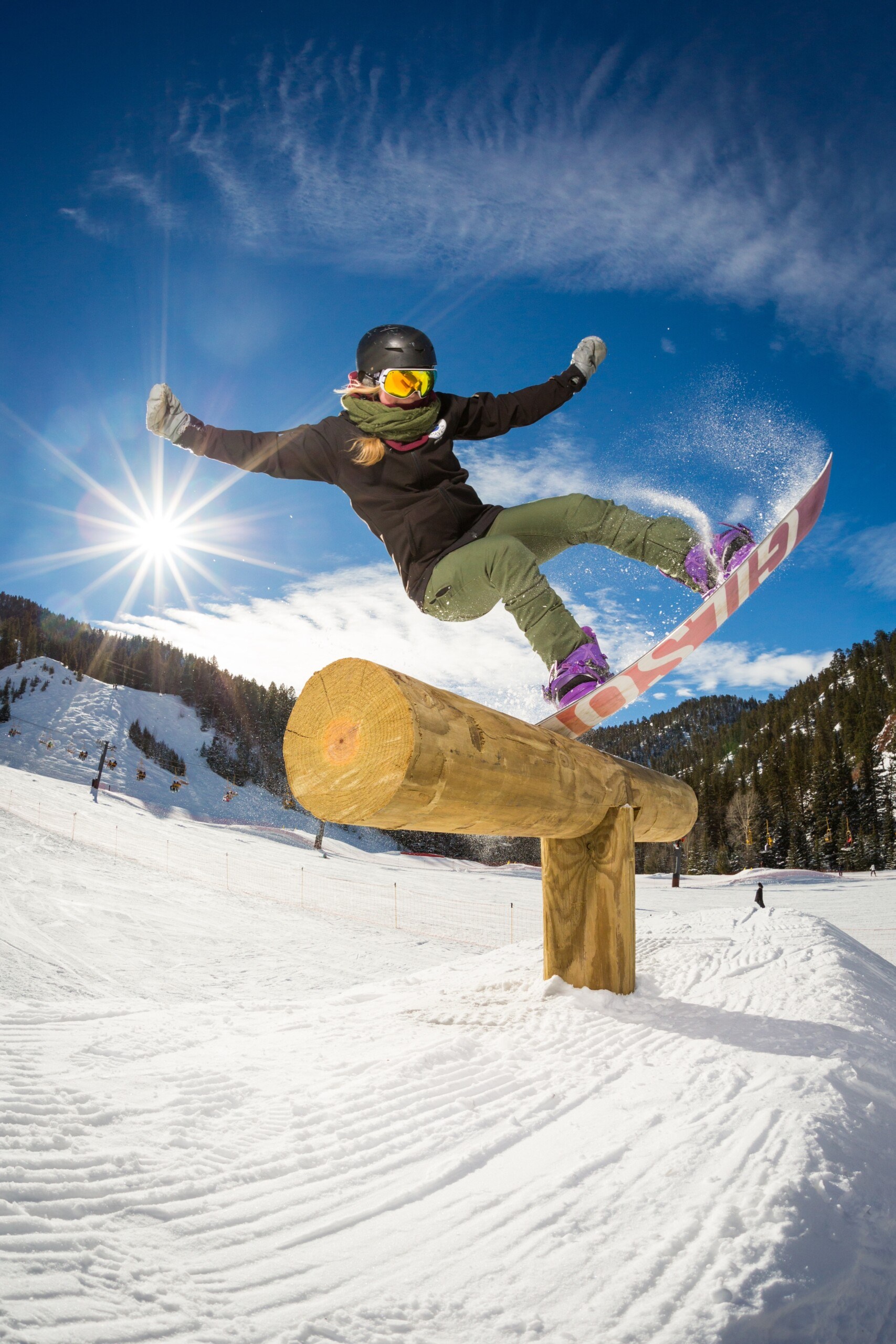
Red River, where “Mountain Meets Main Street,” is New Mexico’s only true ski town, and one of those places that skis much bigger than its statistics suggest. The mountain is especially welcoming for families and intermediates, with mellow backside terrain winding through well spaced aspens, but the expert skiing surprised us. Looker’s right of the Platinum Chair hides short, steep fall line runs that most visitors completely bypass, while Linton’s Leap drops dramatically beneath the chair itself.
Just as memorable is the atmosphere. You can walk or even ski to much of the lodging, and on weekends the Lift House patio turns skiing down “The Face” into a spectator sport, with people hooting, heckling and cheering spills like something out of an old Warren Miller film. Add dry New Mexico snow, relatively light lift lines and a Western ski town full of personality, and Red River feels refreshingly different from a modern destination resort.
Vertical: 1,600 feet; Skiable terrain: 285 acres; Trails: 64; Average snowfall: 214 inches; Red River Ski & Summer Area website
Sandia Peak
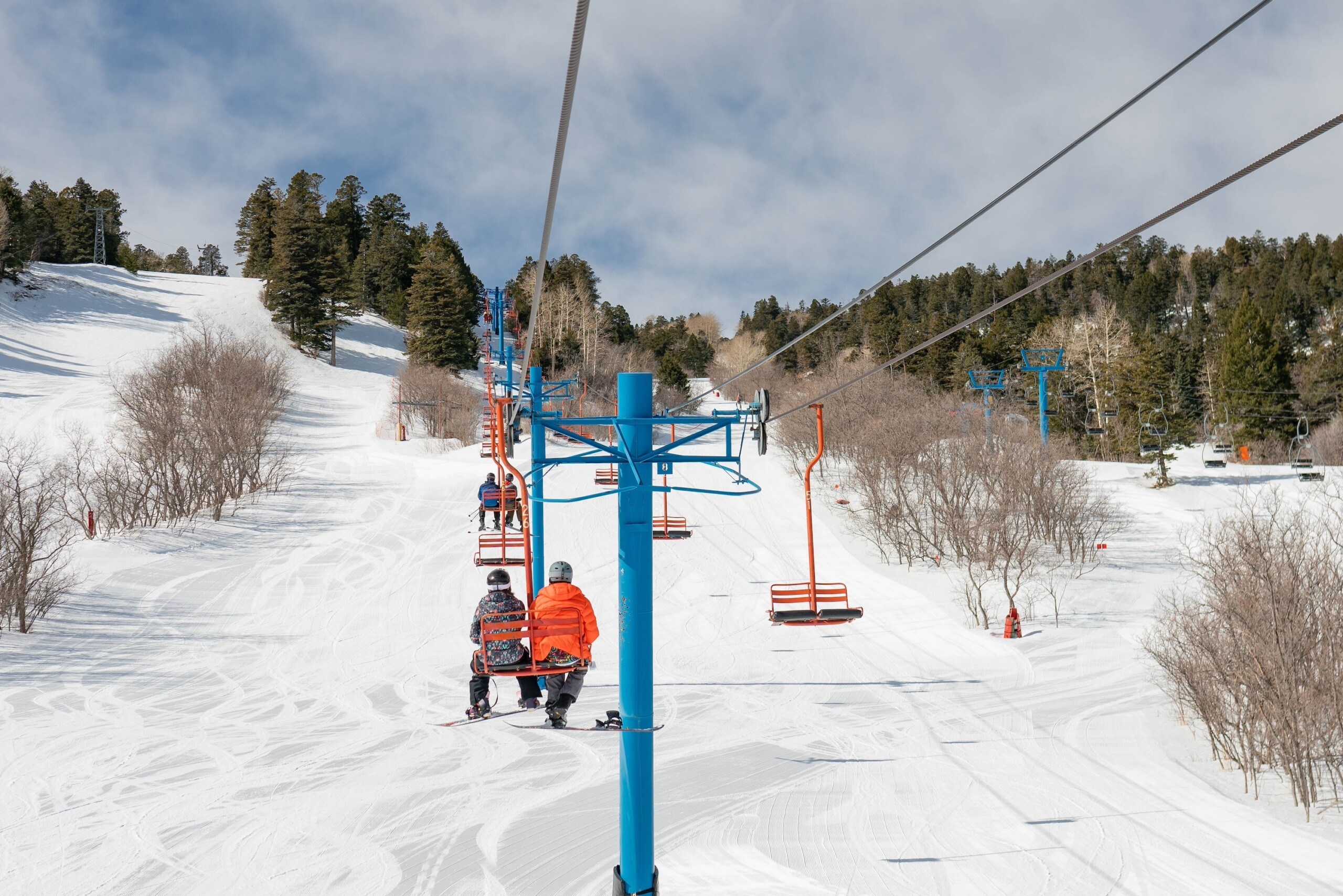
Rising above Albuquerque, Sandia Peak was Dan’s home hill growing up, and after sitting quiet for several seasons, it finally came back to life under Mountain Capital Partners. The mountain is mostly a cruising paradise, with long groomers dropping 1,700 vertical feet, but there are also narrow runs, short steep pitches and pockets of trees to keep stronger skiers entertained. With some of the fastest access to skiing from any major city in the nation, including via the spectacular Sandia Peak Tramway, this small scale, modestly pitched mountain makes for a great quick getaway. Just note that the Tramway is separately operated and requires its own ticket.
The comeback has only continued. Mountain Capital Partners has rebuilt Chair 4, added a beginner carpet, brought additional lifts back into service and invested in snowmaking and other improvements. Dan has covered both Sandia Peak’s reopening and the latest round of upgrades, giving you a much deeper look at how his old home hill is evolving.
Vertical: 1,700 feet; Skiable terrain: 300 acres; Trails: 35; Average snowfall: 117 inches; Sandia Peak Ski Area website
Sipapu Ski & Summer Resort
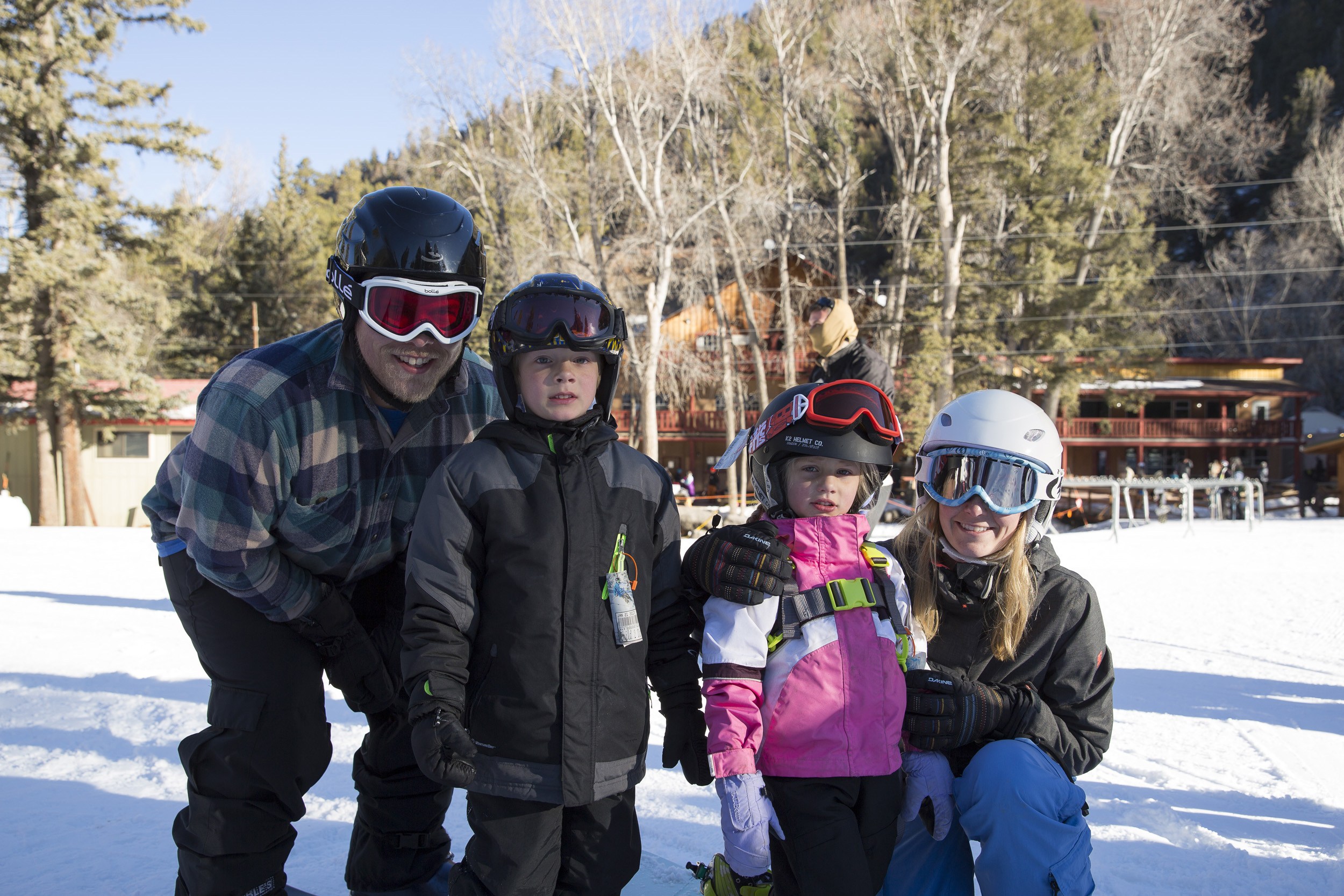
Like the Little Engine That Could, Sipapu should not be judged on size alone. Despite its modest vertical drop and acreage, the ski resort, with inexpensive onsite lodging, is very popular with families and has introduced thousands of people to the sport over its long history. It’s also one of New Mexico’s most affordable ski experiences and is rarely crowded. From mellow groomers to steeper terrain and powder stashes above Lift 1, there’s more variety here than its size might suggest.
Vertical: 1,055 feet; Skiable terrain: 215 acres; Trails: 43; Average snowfall: 185 inches; Sipapu Ski & Summer Resort Website

Owned and operated by the Mescalero Apache Tribe, Ski Apache is the nation’s southernmost major ski area, sitting on the flanks of 11,981 foot Sierra Blanca Peak. The terrain has a surprising amount of variety, including a terrific intermediate bowl with natural halfpipe drains, steep mogul runs and excellent tree skiing when the snow is deep enough. New Mexico’s only gondola climbs to the summit and provides access to Apache Bowl and some of the mountain’s expert terrain. On a clear day, you can even look some 7,000 feet down toward White Sands National Park.
Snowfall this far south can be wildly variable, so terrain availability depends heavily on how the winter develops. Ski Apache has responded with extensive ground clearing, lower mountain snowmaking and a Snow Secure system that stores snow over the summer to help provide a more dependable start to the season. There’s no lodging directly at the ski area, making Ruidoso, about 18 miles away, the natural base for a trip.
Vertical: 1,900 feet; Skiable terrain: 750+ acres; Average snowfall: 180 inches reported; Ski Apache Website
Ski Cloudcroft
Ski Cloudcroft is the southernmost ski area in New Mexico and one of the state’s most weather dependent mountains. Its upper terrain still relies heavily on natural snowfall, but snowmaking on the beginner slope and tubing hill gives it a better chance of getting at least part of the operation open when Mother Nature cooperates. In a good winter, its 25 trails offer a surprisingly broad mix for beginners through experts, with affordable lessons, rentals and tubing making it especially approachable for families.
Vertical: 700 feet; Trails: 25; Lifts: 3; Top elevation: 9,100 feet; Ski Cloudcroft website
Ski Santa Fe
It’s Time to Get Enchanted by a Santa Fe Winter Trip
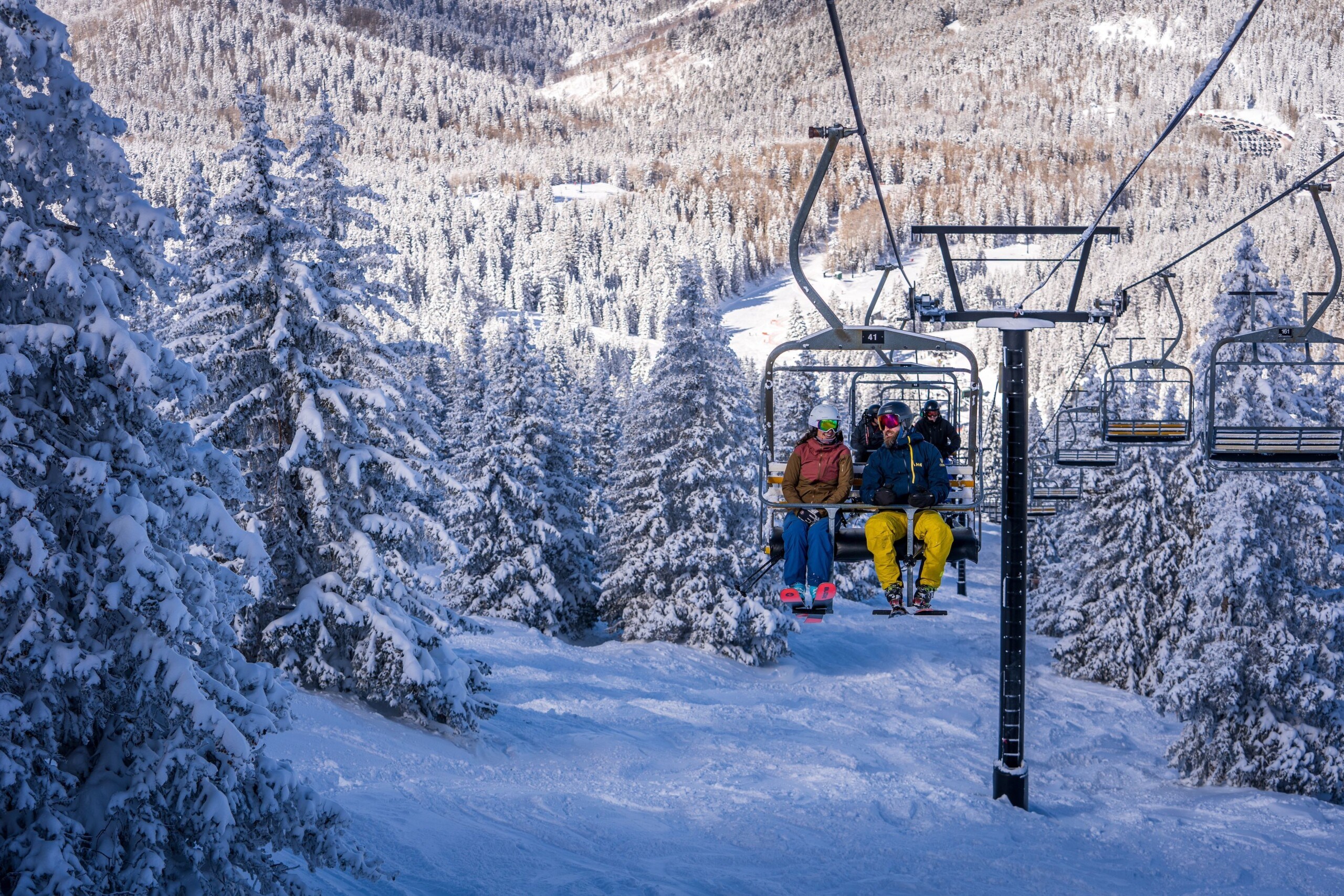
Ski Santa Fe is one of those mountains that skis much bigger than its 660 acres suggest. The terrain ranges from dedicated beginner areas and long groomers to tough bump runs, technical chutes and some of the best tree and glade skiing in New Mexico. Its 12,075 foot summit helps preserve the snow and delivers huge views over the Rio Grande Valley and toward the Jemez Mountains in the distance, while the compact layout packs a surprising amount of variety into a mid sized ski area.
There’s no lodging at the mountain, but that’s part of the appeal. Santa Fe is only about 30 minutes away, giving you a ski day paired with one of the most distinctive cities in the West, complete with centuries of history, a serious arts scene and a food culture all its own. Ski Santa Fe has also become much more popular in recent years, especially on weekends, so the free Blue Bus from town is worth considering when the mountain is busy.
Vertical: 1,725 feet; Skiable terrain: 660 acres; Trails: 87; Average snowfall: 225 inches; Ski Santa Fe Website
Taos Ski Valley
Where Has The Soul Of Skiing Gone? Answer: Ski Taos
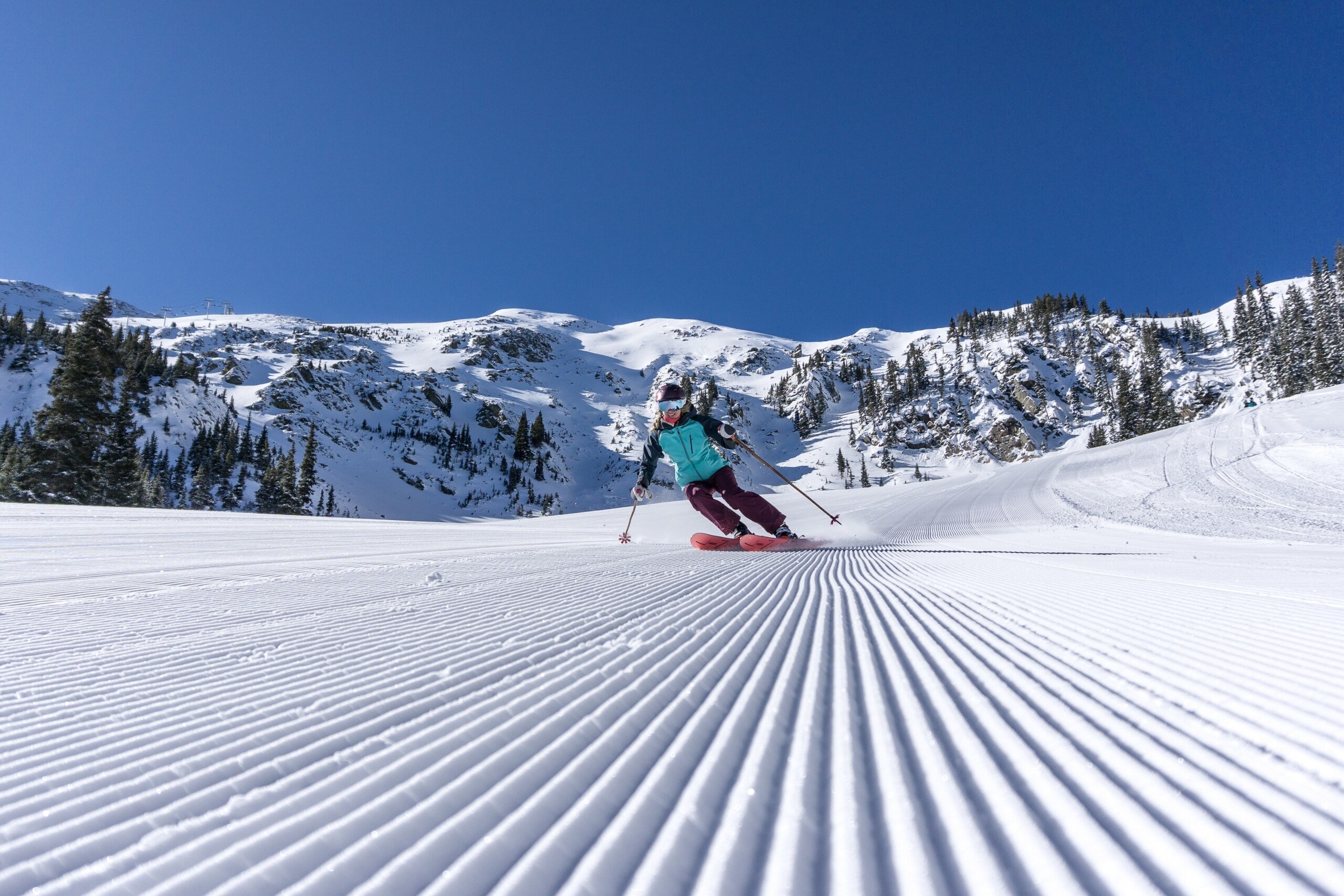
Taos Ski Valley is the largest and most renowned ski area in New Mexico, but acreage alone doesn’t explain why it stands apart. The mountain packs an incredible amount of variety into 1,294 acres, with perfectly spaced glades, long groomers, steep chutes and ridgelines where some of the best terrain requires a 15 to 20 minute hike. A whopping 51 percent of the mountain is rated expert, earning Taos its reputation as an expert’s Valhalla, yet there’s still plenty here for strong intermediates and even beginners who know where to look.
Kachina Peak is the mountain’s signature, topping out at 12,481 feet and serving up steep, complex terrain that can range from impossibly deep powder to VW Bug sized moguls depending on the conditions. Add some of the lightest snow we’ve ridden, a laid back culture and a mountain that simply flows once you drop in, and it’s easy to understand why Taos has built such a loyal following. And if you’re planning a longer trip, there’s more to the region than just Taos Ski Valley. Check out our guide to There’s More To Taos Ski Areas Than Just Taos Ski Valley.
Vertical: 3,131 feet; Skiable terrain: 1,294 acres; Trails: 110; Average snowfall: 300 inches; Taos Ski Valley website
Skiing New Mexico Is Its Own Thing
There aren’t many ski destinations where you can access a mountain via a tramway rising above a major city, ski from summits topping 12,000 feet, explore old school hills where crowds are still the exception and then head south to the southernmost major ski area in the country. Even the weather plays by different rules. Tony Crocker’s long term research at BestSnow.net shows southern New Mexico is strongly favored during El Niño winters, with Taos also historically benefiting from the pattern. None of that guarantees a powder day, but it helps explain why the ski areas in New Mexico aren’t just smaller versions of what you’ll find in Colorado or Utah. Skiing here really is its own thing.