If you’re planning a ski trip during an El Niño winter, knowing the tropical Pacific is warmer than normal isn’t nearly as useful as knowing which ski areas have actually benefited from it historically.
That’s what we wanted to figure out.
El Niño tends to favor a more southerly storm track, but temperature, timing and plenty of other atmospheric ingredients still have to cooperate. So instead of relying on broad precipitation maps, we’re digging into decades of ski area snowfall data from BestSnow.net along with our own experiences chasing snow around the West.
Table of Contents
Jump To: Where El Niño Favors Skiing
Where does El Niño really tilt the odds in a skier’s favor?
If you want to geek out on ENSO and how it affects skiing, our Weather To Ski guide goes WAY deeper. Otherwise, let’s get to the mountains.
So Where Does El Niño Actually Favor Skiing?
Despite all the attention El Niño gets, Tony Crocker’s research at BestSnow.net suggests there aren’t that many North American ski areas with a strong historical relationship between El Niño and increased snowfall.
The strongest signals are concentrated in the Southwest, and even there we’re talking about better odds, not guarantees.
Ski Apache, New Mexico: The Biggest Statistical Swing
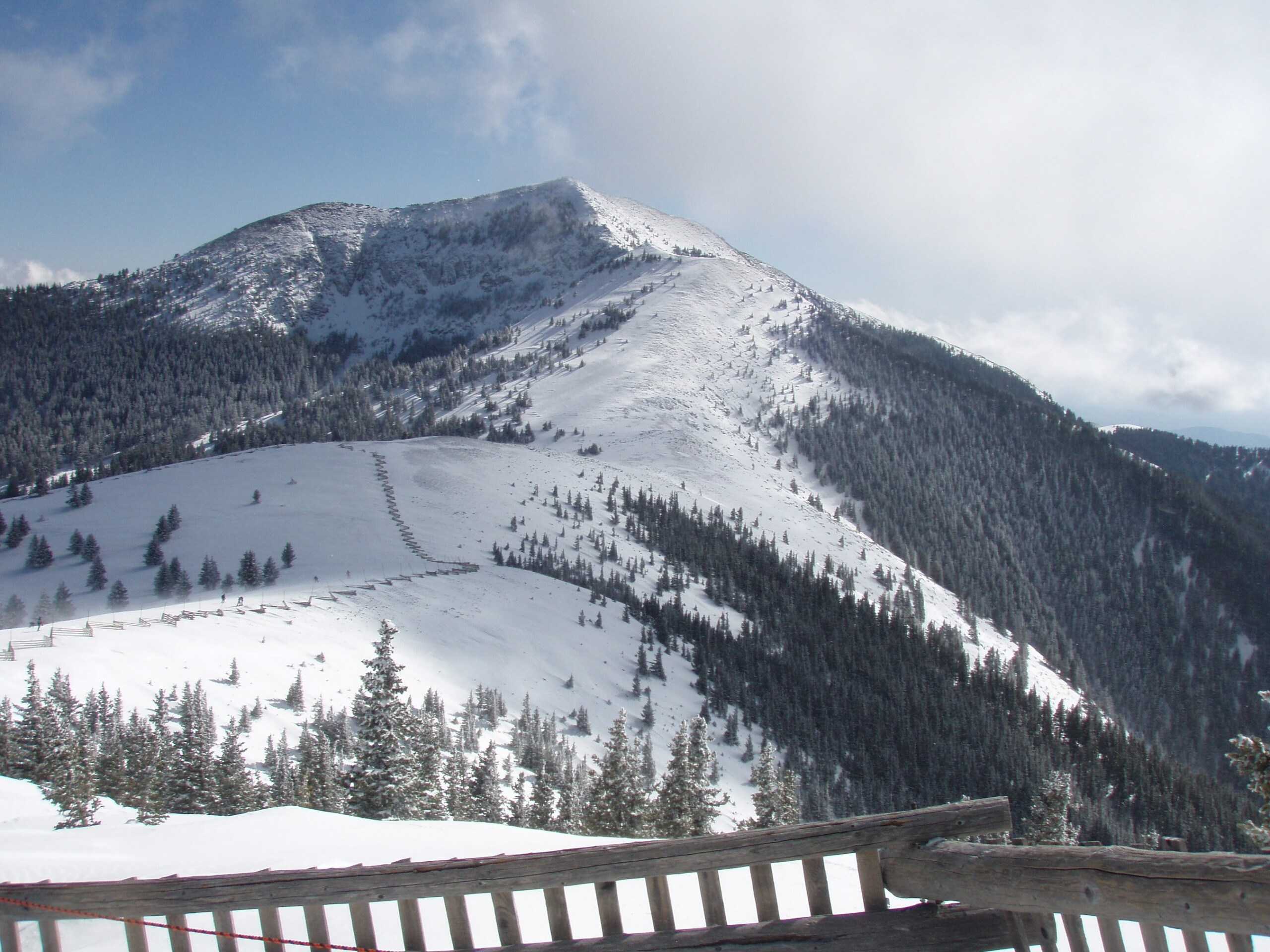
Photo by Daniel Gibson
Statistically, Ski Apache might be the most fascinating El Niño ski area in the country.
BestSnow’s analysis shows strong El Niño periods producing roughly 124% of normal precipitation, compared with only about 56% of normal during strong La Niña periods. The numbers come from SNOTEL water content rather than a continuous resort snowfall record, but that’s still a HUGE swing.
The mountain itself is just as unusual. Located near Ruidoso and owned by the Mescalero Apache Tribe, Ski Apache sits beneath nearly 12,000 foot Sierra Blanca with views stretching toward White Sands and the Chihuahuan Desert. When there’s enough coverage, you can ski bowls, moguls and surprisingly fun tree terrain, with an 8 passenger gondola climbing toward 11,500 feet.
And that’s really the catch: when there’s enough coverage.
Our Ski Apache guide gets into just how volatile winters can be here. In lean years, significant portions of the mountain may never open.
We probably wouldn’t blindly book Ski Apache six months ahead because El Niño is strong. But if the Southwest storm track starts firing, this would be one of the first mountains we’d start watching.
Arizona Snowbowl: One Of The Strongest El Niño Bets
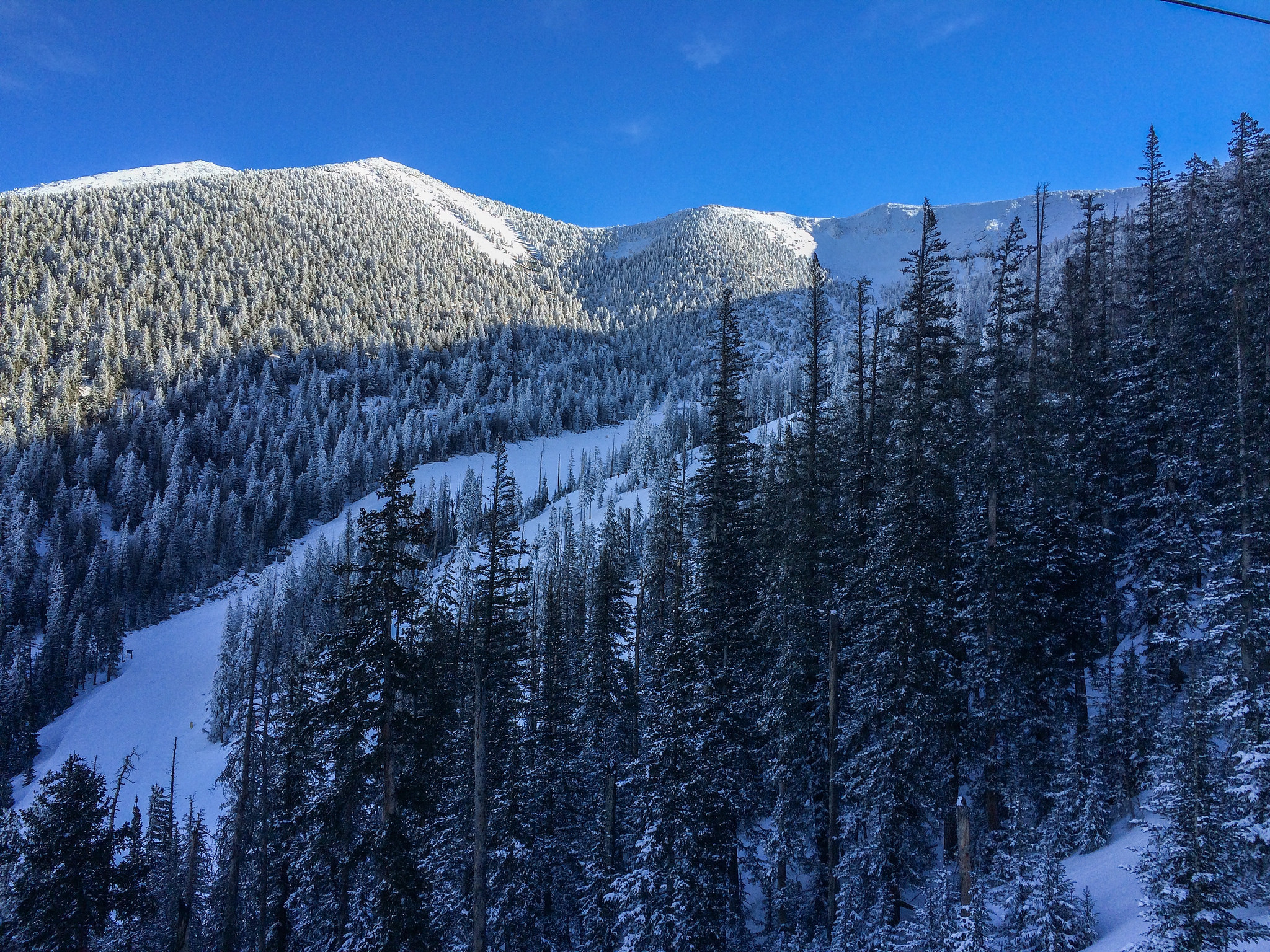
Head west into Arizona and Snowbowl gives us another strong historical signal.
BestSnow tracks snowfall at two elevations on the mountain. During strong El Niño periods, the lower measurement site has averaged roughly 128% of normal, while the higher elevation site comes in around 117% of normal.
What makes Snowbowl especially interesting is that it’s also easier to build an actual ski trip around than Ski Apache. Flagstaff gives you a legitimate mountain town with restaurants, breweries and plenty to do if the storms don’t line up exactly when you arrive.
And there’s something inherently awesome about skiing powder high above the Arizona desert. If the southern storm track starts firing during an El Niño winter, Snowbowl would be VERY high on our watch list.
Southern California: Swing For The Fences
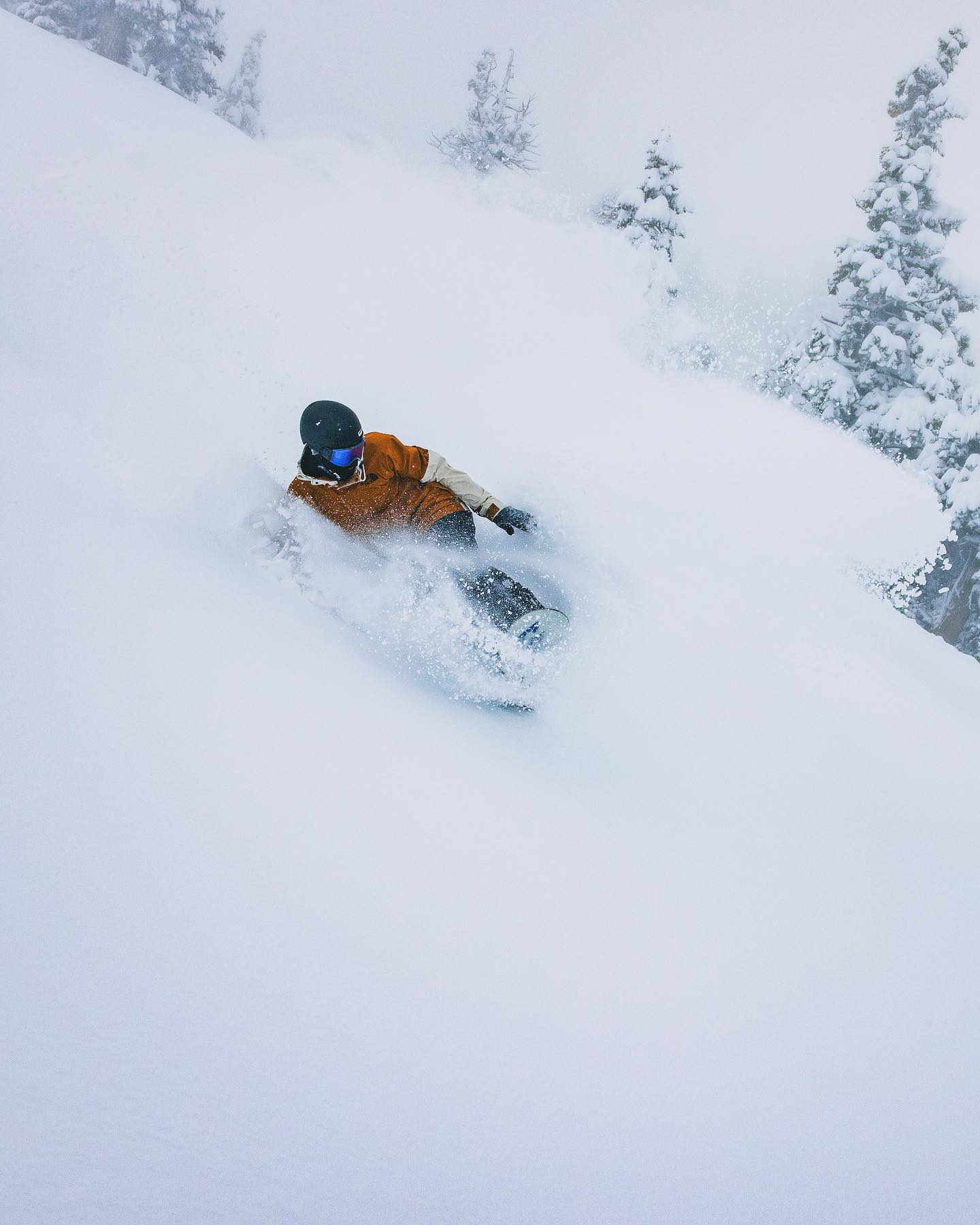
Southern California might be the best example of both the promise and frustration of El Niño.
BestSnow’s historical data shows strong El Niño periods averaging roughly 129% of normal snowfall, with five of the nine strongest events producing at least 170% of normal snow. When that happens, Snow Summit, Bear Mountain and Snow Valley become completely different ski areas.
The 2023/24 El Niño winter showed just how quickly things can turn around. Big Bear had received only three inches of natural snow by December 31st, then a series of February storms dropped more than 70 inches in roughly 72 hours. By spring, what had looked like a terrible winter had become Big Bear’s second snowiest season on record.
We broke down that wild turnaround in our article about Big Bear’s record El Niño snowfall.
But this is also where the gambling analogy really fits. The massive 2015/16 Super El Niño produced only 59% of normal snowfall in Southern California, while another powerful El Niño in 1986/87 delivered just 62% of normal.
That’s why we’d call Southern California our swing for the fences pick. The upside during El Niño can be enormous. Just don’t mistake enormous upside for a guarantee.
Brian Head, Utah: The Sleeper Pick
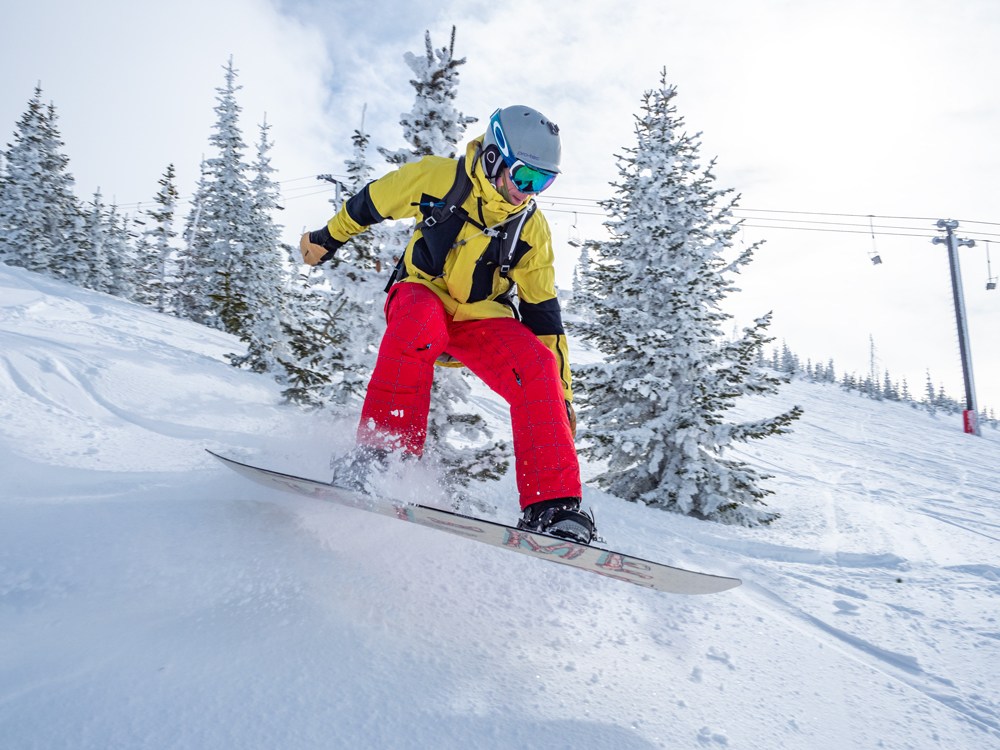
Utah usually makes skiers think about the Wasatch, but Brian Head sits WAY farther south, and during an El Niño winter that suddenly becomes pretty interesting.
BestSnow puts Brian Head in its group of ski areas strongly favored by El Niño, with strong events averaging roughly 113% of normal snowfall. Its base also sits around 9,780 feet, giving it an important temperature advantage when southern storms arrive on the warmer side.
Here’s a fun way to put its location into perspective: Brian Head is actually closer to Las Vegas than Salt Lake City. It’s roughly three hours north of Vegas versus about three and a half hours south of Salt Lake.
Add a more relaxed feel, smaller crowds and the red rock country of Southern Utah surrounding the mountain, and Brian Head becomes one of those places we’d absolutely keep an eye on if El Niño starts steering storms into the southern Great Basin.
We’ve spent time skiing here and somehow never turned our notes into a full Local Freshies guide. That’s now officially on the list.
Taos Ski Valley: The Destination We’d Actually Book

Taos doesn’t have as dramatic an El Niño signal as Ski Apache, Snowbowl or Southern California. BestSnow puts strong El Niño winters at roughly 107% of normal snowfall.
That’s only a modest statistical edge, but we’re not simply trying to win a snowfall spreadsheet. We’re trying to plan a great ski trip.
And that’s where Taos becomes really hard to beat.
We’ve skied and snowboarded all over North America and Japan, and Taos is still hands down Jaime’s favorite ski area. Much of the rowdiest terrain sits high along the ridges, with many of the steeps requiring a 15 to 20 minute hike. That little price of admission helps preserve snow, and we’ve found good turns hiding up there long after the obvious lines elsewhere would’ve been hammered.
But Taos is also one of those rare ski destinations where the culture becomes just as memorable as the mountain.
Order enchiladas and you’ll be asked red or green chile. Want both? That’s Christmas. Stop at Michael’s Kitchen and save room for a bizcochito, New Mexico’s state cookie, with its unmistakable mix of anise, cinnamon and sugar. Back at the ski valley, you can end the day drinking German beer or Glühwein at the Bavarian beneath Kachina Peak.
On one of our trips, we also spent a day skiing with Taos native Tomas Montoya, who told us how his family traces its roots in the valley back generations and how his grandfather helped cut some of the original ski trails. Add Taos Pueblo, Hispano culture, adobe architecture, New Mexican food and the area’s long artistic history, and this feels completely different from the typical western ski trip.
The catch is coverage. Taos is steep and rocky when the snowpack is thin, and locals have told us roughly a 60 inch base is when much of the good stuff really starts coming into its own. That’s why we’d lean toward later winter if we were planning an El Niño trip here.
Our full Taos Ski Valley guide goes WAY deeper into how we’d ski the mountain and why this place has gotten under our skin.
Mammoth Mountain: High Risk, HUGE Reward

Every time someone says Super El Niño, Californians start dreaming about the Sierra.
There’s good reason for that. BestSnow shows Mammoth averaging roughly 109% of normal snowfall during strong El Niño periods, and some of its legendary winters have lined up with major El Niño events.
But the relationship is WAY messier than the hype suggests. The powerful 1986/87 El Niño produced only about 55% of normal snowfall at Mammoth, making it one of the mountain’s worst seasons on record.
That’s why we’d put Mammoth in a different category than Taos. Taos gives us a modest statistical edge. Mammoth gives us a shot at the jackpot.
If the Pacific storm track lines up with the Sierra and those storms arrive cold enough, Mammoth’s high elevation gives it the ability to turn all that moisture into an unforgettable winter. Just don’t book the trip assuming El Niño has already done the work for you.
Lake Tahoe: More Precipitation Doesn’t Always Mean More Powder
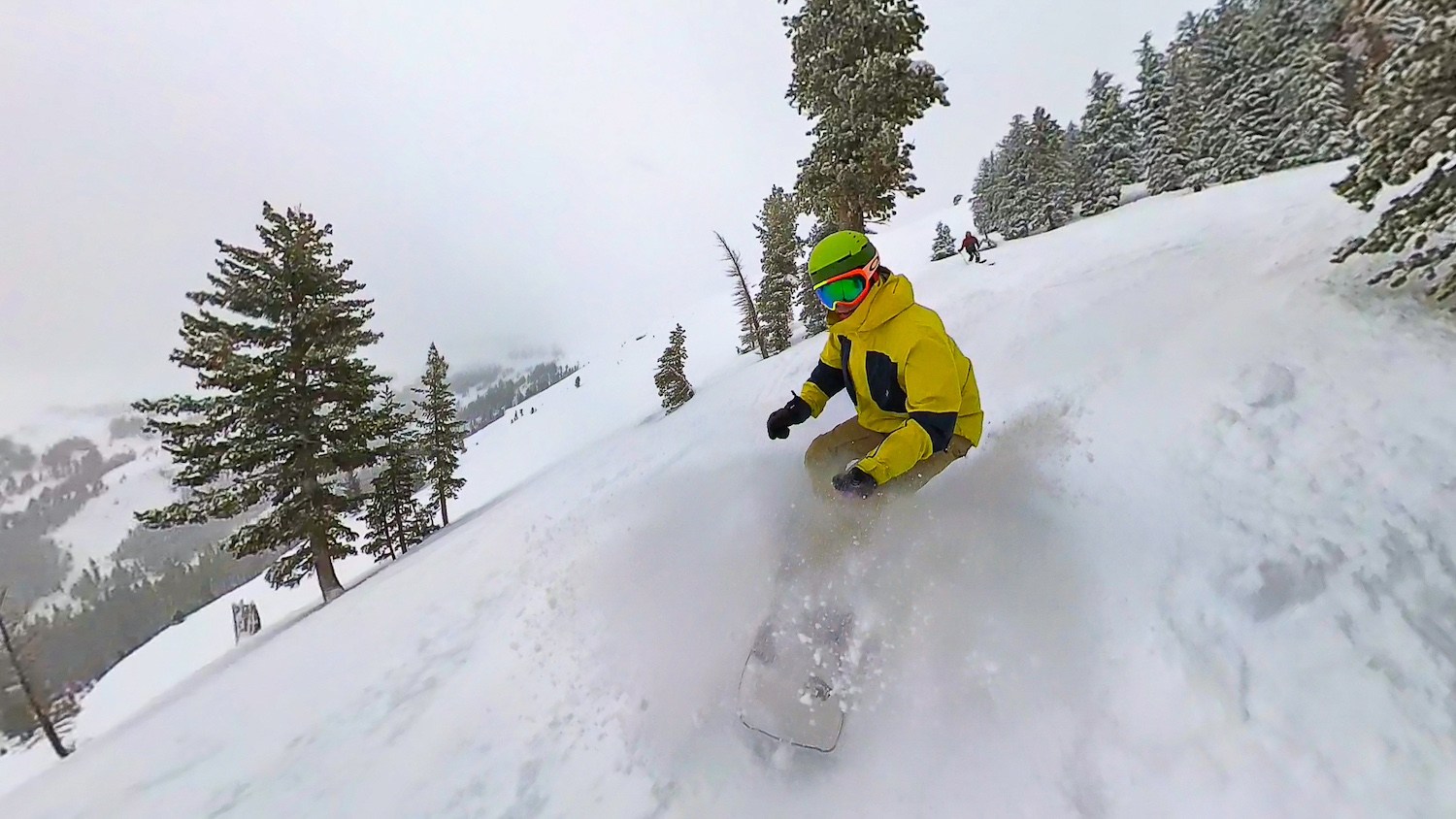
Living in Tahoe has taught us one thing that broad El Niño precipitation maps don’t always show:
Snow level matters. A LOT.
A Pacific storm can carry a ridiculous amount of moisture into the Sierra and still be disappointing for skiers if it arrives too warm.
We’ve watched that happen firsthand. During the rough 2013/14 winter, one February storm dropped 63 inches high on the mountain at Squaw Valley but only 10 inches at the base because so much precipitation fell as rain lower down. The following winter brought storms warm enough to rain all the way to Sierra summits.
Even during the 2023/24 El Niño winter, high snow levels became part of the story.
That’s why we’re cautious when someone says El Niño automatically means huge Tahoe snowfall. The Pacific can absolutely open the fire hose, but where the rain snow line sets up can mean the difference between powder, Sierra cement and pouring rain.
We’ve gone much deeper into that feast or famine reality in our look at some of the worst Lake Tahoe snow seasons.
Tahoe still has massive El Niño upside. We just wouldn’t confuse more moisture with more skiable snow.
Guessing Weather Is Like Playing Craps
This is still our favorite way to think about El Niño.
Knowing the probabilities at a craps table can help you make a smarter bet. It doesn’t mean you’re going to win. El Niño works the same way.
Ski Apache, Arizona Snowbowl, Southern California and Brian Head show some of the strongest historical signals. Taos offers a smaller statistical edge but gives us a destination we’d feel comfortable booking months ahead. Mammoth and Tahoe have huge upside, but far more volatility.
The perfect reality check is the 2015/16 Super El Niño. It was one of the strongest El Niño events on record, yet Southern California finished at only 59% of normal snowfall while the Pacific Northwest became one of the surprises.
El Niño tilted the dice. It didn’t load them.
Use it to understand the probabilities and identify where history suggests the odds may improve. Then as your trip gets closer, forget the seasonal hype and look at what actually matters:
Where is it snowing now?
What About The 2026/27 El Niño?
This is why we’re updating this article now.
As of August 2026, El Niño is strengthening rapidly. NOAA says there’s a greater than 90% chance it becomes a very strong event during fall and winter 2026/27, with a 69% chance the October through December period reaches a strength beyond anything in the record going back to 1950.
That’s enough to get any weather geek who skis VERY interested. But it doesn’t guarantee Southern California gets buried, Taos has an epic winter or Mammoth stays open until July.
It gives us another clue.
We’ll watch the Pacific, follow the storm track and see whether the places historically favored by El Niño actually start delivering.
El Niño can help us stack the odds. Winter still gets the final say.
And if ENSO flips the other direction, we’ve covered that too in our guide to the best ski resorts for a La Niña winter.
Either way, our strategy doesn’t change:
Go wherever it snows.