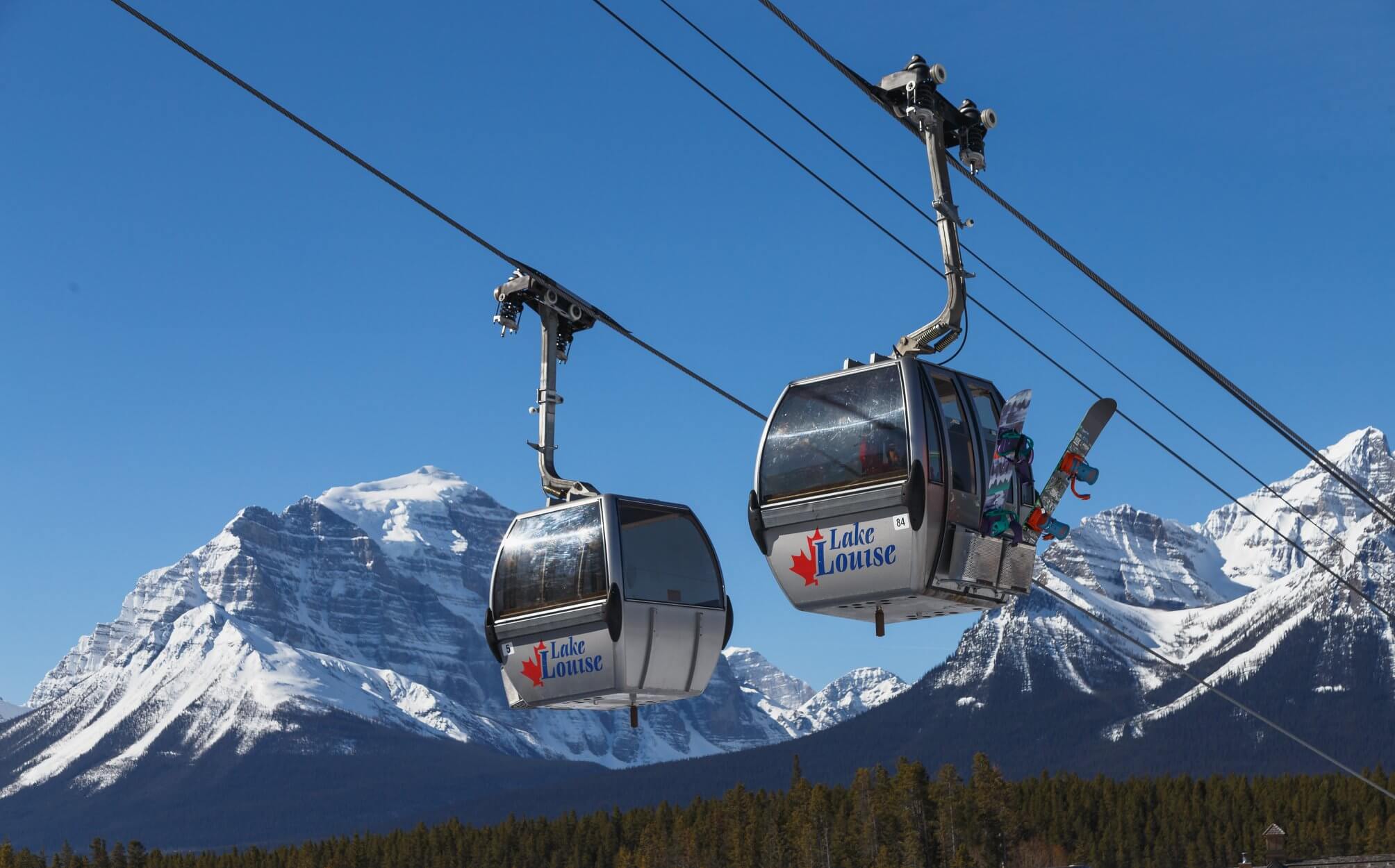
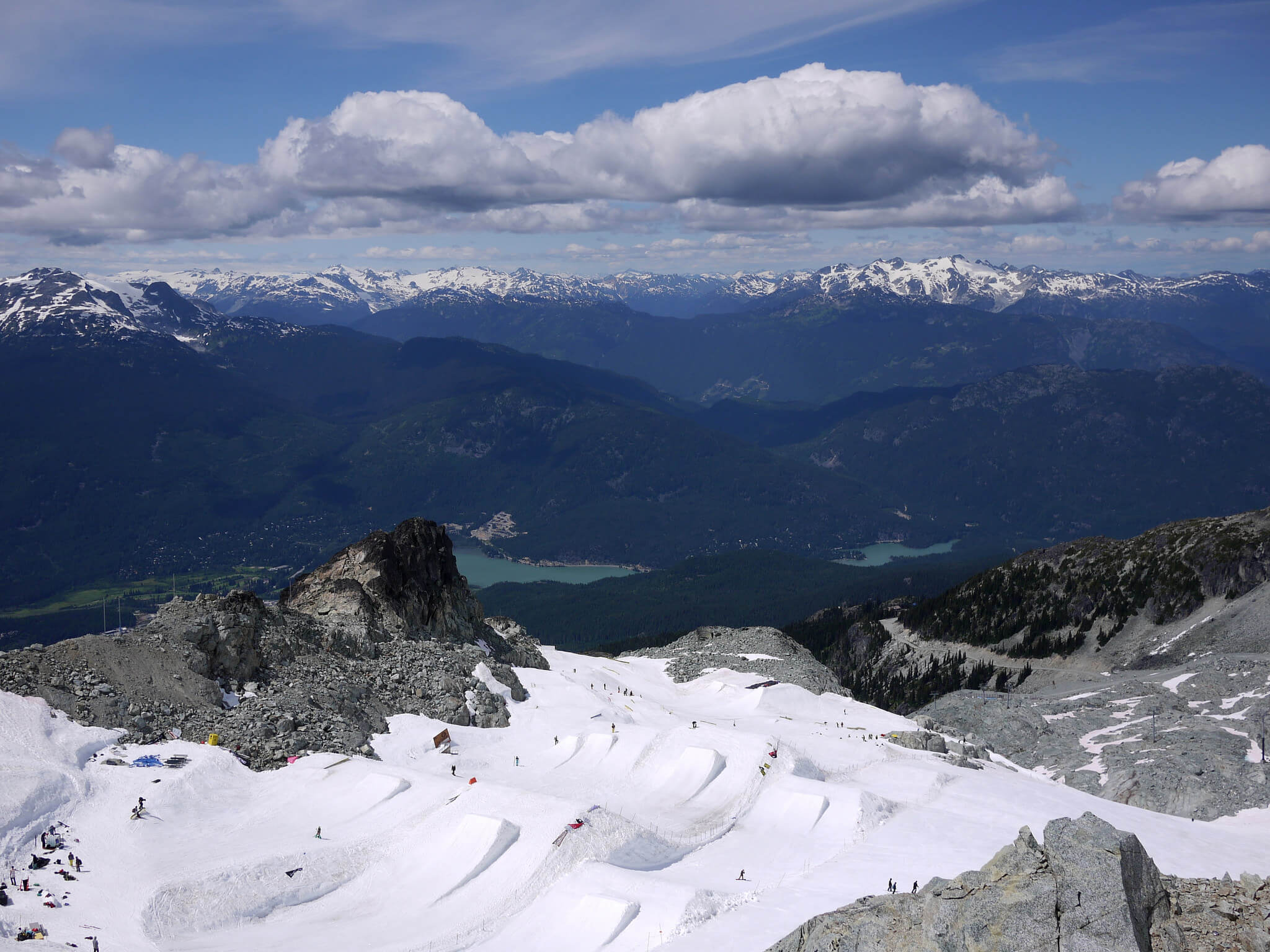
The Powder Highway is famous for its quaint historic towns and easy access to the wild outdoors. Winter or summer, it’s a playground, with cat skiing, human powered runs, lifts in the winter, and endless world class mountain biking in the summer, including the Seven Summits, one of only four IMBA Epic trails in Canada. Now, all of that could be at risk in one particular town. There’s talk of a magnesium mine right where this iconic trail snakes through, and riders and locals aren’t thrilled.
Mining Brought Skiing
Gold mining is what put Rossland on the map. Known as the “Golden City,” it was one of the top gold rush towns in the 1890s and kept producing gold well into the 1920s.
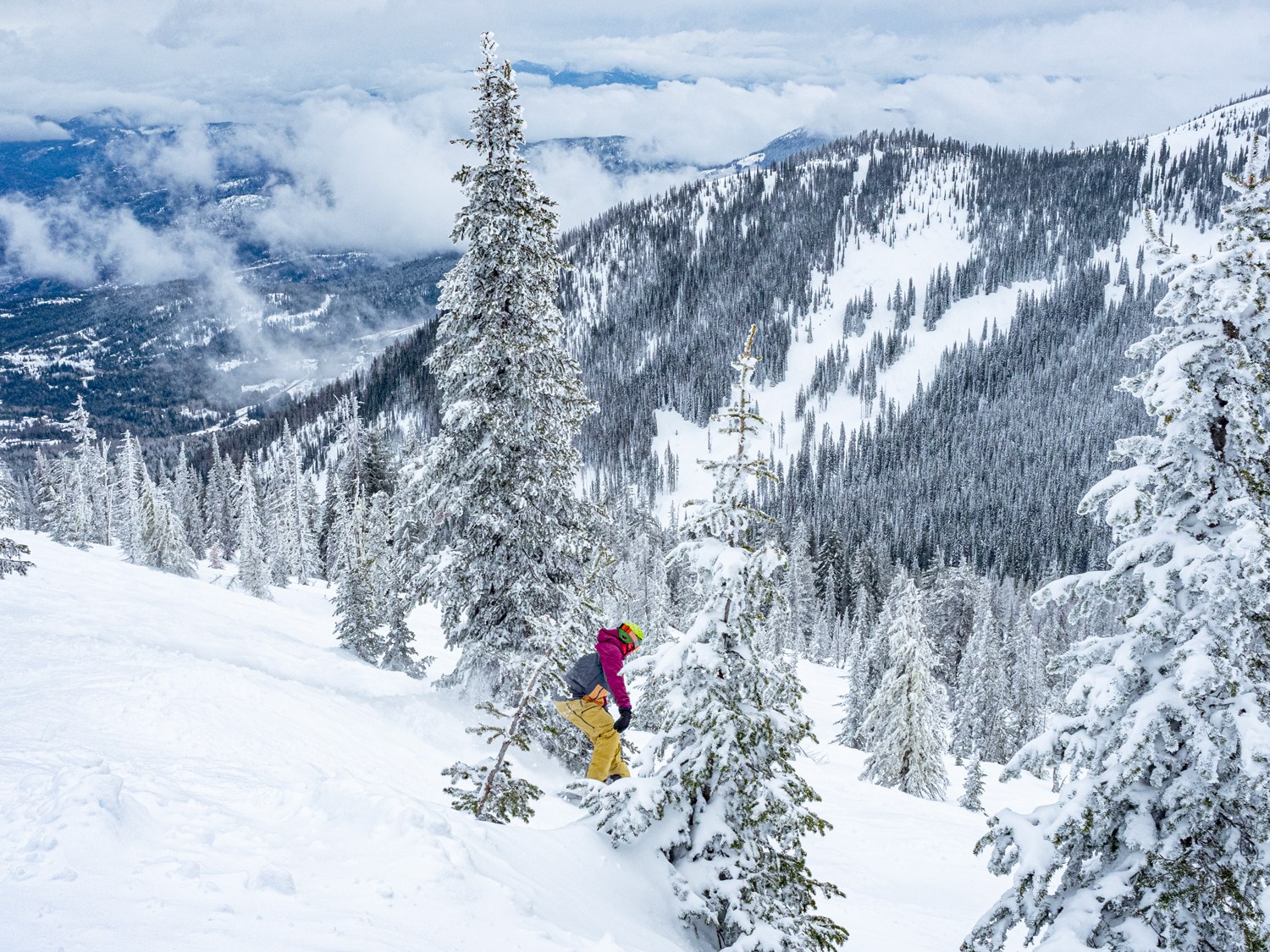
Many of the miners were Scandinavian, and they brought skiing with them. Not just for fun, but as a way to get around and shake up the long winter months. In fact, Rossland’s mountain hosted Canada’s first recorded downhill ski race in 1896 and went on to help launch Western Canada’s oldest ski resort, Red Mountain.
Tourism is the New Gold Rush

While mining still operates in the region, tourism has become the dominant economic driver. In British Columbia, tourism generates $23 billion in annual revenue. Since the mid-2000s, Rossland has developed into a thriving tourism destination, generating roughly $39 million annually. The sector has grown rapidly, creating around 800 new jobs between 2006 and 2021.
Record Ridge Mine Raises Environmental and Recreation Concerns

Rossland’s been thriving, and so has the ski hill, but there’s a bit of a dark cloud hanging over the southwest ridgeline. An Alberta company, West High Yield Resources, has proposed an open pit mine on Record Ridge to extract magnesium-bearing ore. The proposed mine and its claims run right through a big chunk of the Seven Summits trail, one of only four of the International Mountain Bicycling Association’s designated Epic trails in Canada.

Besides mountain biking, the mining claims also overlap key areas used for backcountry skiing, hiking, and trail running. The proposed site is just a few kilometers from Red Mountain Resort and nearby homes. It also sits within the watershed that supplies drinking water to local communities downstream.
Residents have raised serious concerns about potential environmental impacts. This area is internationally recognized as a Key Biodiversity Area, known for its old-growth forests and rare vegetation. It also lies within the Columbia River watershed, upstream of a significant salmon restoration project. They worry that mining contaminants, such as asbestos, could enter the local air and water systems, posing risks to both people and nature.
Tension Between Economic Opportunity and Environmental Review
As plenty of ski town locals know, good-paying jobs are tough to find in mountain towns. Red Mountain understands how important well-paying jobs and diversity in the local economy are for the region. This mine could bring 40 to 50 seasonal jobs and generate up to $30 million in revenue each year.
At the same time, Red Mountain and many local residents are calling for a clearer understanding of the project’s potential impacts before it moves forward. Their primary request is a comprehensive environmental assessment to evaluate risks to the surrounding area.
As Red Mountain’s Kevin Manuel said, “We want WHY to follow due process with an environmental assessment. Once that project starts digging and blasting, it’ll be hard to stop.”
WHY Revises Mining Plan to Avoid Full Environmental Assessment
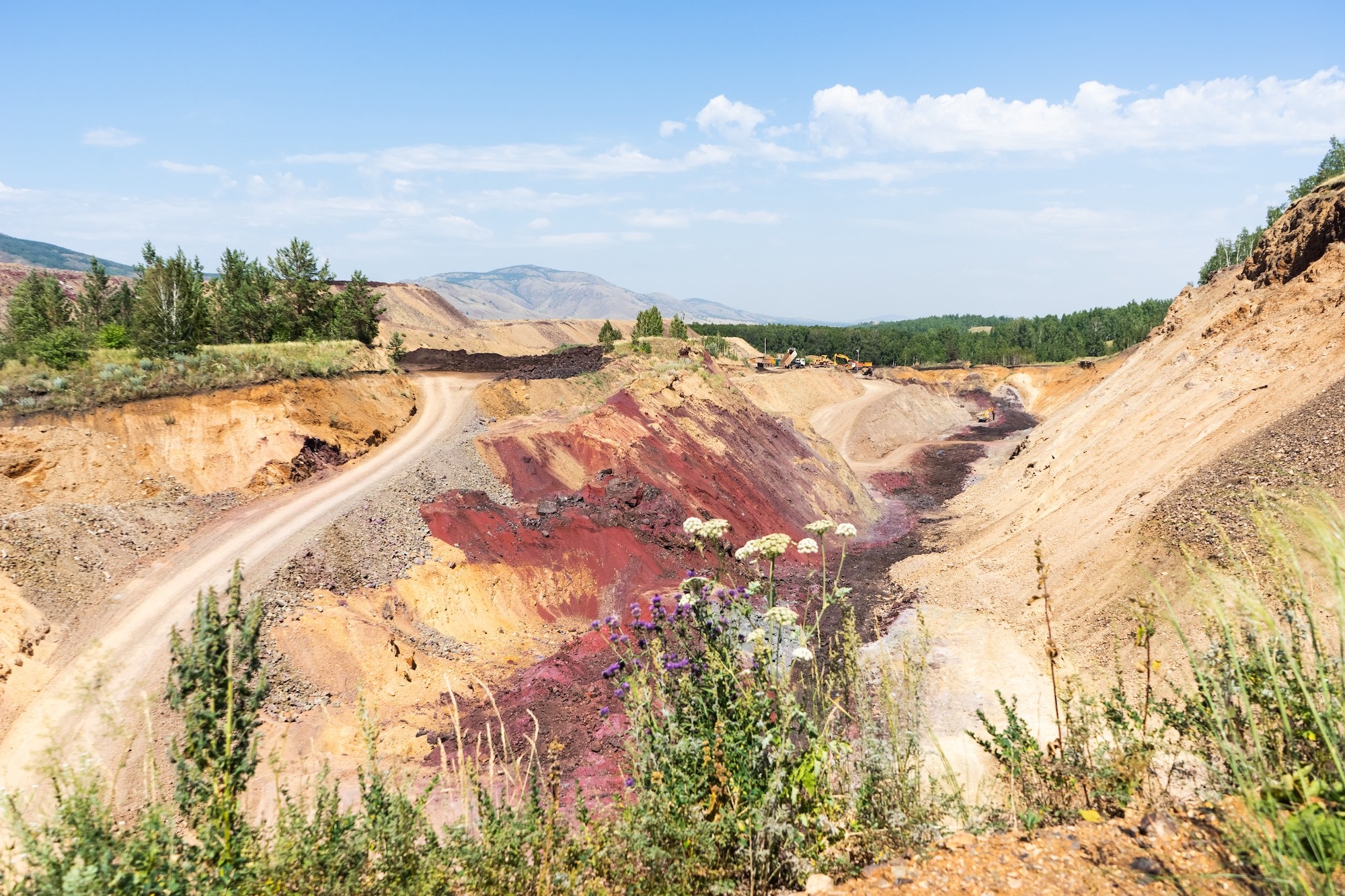
Since the project was first proposed, West High Yield Resources (WHY) has taken steps that could allow it to avoid a full environmental review.
Earlier in the process, the project was pitched as an industrial quarry with numbers steadily shifting from an initial 400,000 tonnes, down to 249,000, then to 200,000 which was under the threshold for an environmental review. But in August 2024, the BC Environmental Assessment Office ruled it a mineral mine, which means it needs an Environmental Assessment. To dodge that, the company slashed its stated output again to 63,500 tonnes per year, just under the 75,000 tonne threshold that triggers a review for mineral mines.
Despite the reduction, the overall design, footprint, and infrastructure of the project have changed little. In fact, the latest project documents show the company will ramp up production immediately. Within the first year, the output will exceed nearly 200,000 tonnes a year—without going through a full environmental review.
For many locals, that raises a red flag. The concern is not just about what is proposed now, but what the project could quietly become.
“Green” Claims Under Scrutiny
The company has also leaned on claims that its proprietary extraction process will be more environmentally friendly, citing a 2019 feasibility study. But there’s a catch.
The method they are proposing has never been successfully used to extract magnesium at scale. A similar attempt by Alliance Global in Quebec ultimately failed, raising questions about whether the technology is as viable, or as green, as advertised. One issue in particular has the community on edge, asbestos.
The Asbestos Concern
The magnesium would be extracted from serpentinite rock, which naturally contains asbestos. Company documents estimate the deposit contains about 0.0001% asbestos, suggesting minimal risk.
However, multiple independent expert reports challenge that figure, especially when it comes to how asbestos fibers could spread through the air during mining. Experts argue the modeling used to support the company’s claims doesn’t reflect real world conditions.
There is also a broader context here. Asbestos mining has effectively been banned across Canada since 2019 due to well documented health risks. For many residents, that history makes the current proposal feel like a step backward.
How True is Claim of “World’s Largest” Magnesium Deposit?
On its website, WHY claims to have “one of the world’s largest, greenest deposits of high-grade magnesium.” But is that accurate? According to the National Library of Medicine and various news sources, the largest and most accessible magnesium deposits are actually in the Balkans, especially in Albania. These deposits exceed 20 BILLION tons at 52% magnesium composition versus Record Ridge’s 24%. Even looking closer in Canada itself the Minago Development GP Inc. project offers a cleaner, fully utilized, and community-led approach to magnesium production that could achieve near-zero emissions while directly benefiting Indigenous ownership and local economies instead.
Magnesium Mining: Abundance, Uses, and Global Supply Concentration

Mining often gets a bad rap, but it raises important questions: How rare is magnesium, and what is it used for? Is mining it worth the risk?
I was surprised to learn that magnesium is actually the eighth most abundant element in the universe. It’s widely used today, especially for lightening aluminum alloys and in industries like medicine and pyrotechnics.
Although magnesium is common in the Earth’s crust, it’s never found in pure form and must be extracted through complex methods. These include electrochemical processing of dolomite and magnesite ores, recovery from salt brines such as the Great Salt Lake, and the Pidgeon Process—a labor-intensive method that dominates global production due to China’s low labor and energy costs.
While magnesium is produced in other countries, China supplies over 85% of the world’s magnesium.
The community’s concerns are understandable. Many mountain towns have been negatively impacted by open-pit mining, with some sites later becoming designated Superfund areas. On a personal note, Kevin Manuel said, “My house is located right below where the mining will happen, and I’m fearful about what this could mean for our town. We don’t want to be a testing ground for a new operator, especially that close to the community.”
This Fight Isn’t Over Yet
This fight has been ongoing since 2023, when the proposal first surfaced and the grassroots group Save Record Ridge stepped in to push back. Since then, the community has raised more than $400,000 through local donations, pledges, and grants, but with two more court hearings this April and mounting legal costs, the pressure is only growing. What happens here could set a precedent far beyond Rossland, shaping how future mines are approved, or bypassed, across mountain towns everywhere. If you want to learn more or support the effort, visit Save Record Ridge and consider contributing, because as Mel Mercier from Save Record Ridge put it, “Rossland is worth fighting for.”