There are the obvious names in snowboarding history: Jake Burton Carpenter, Tom Sims, Jamie Lynn. But the longer I’ve been around this sport, the more I’ve come to value the people working quietly behind it all. The ones answering the calls, navigating the gatekeepers, and pushing snowboarding forward without ever needing the spotlight.
Remembering Paul Alden
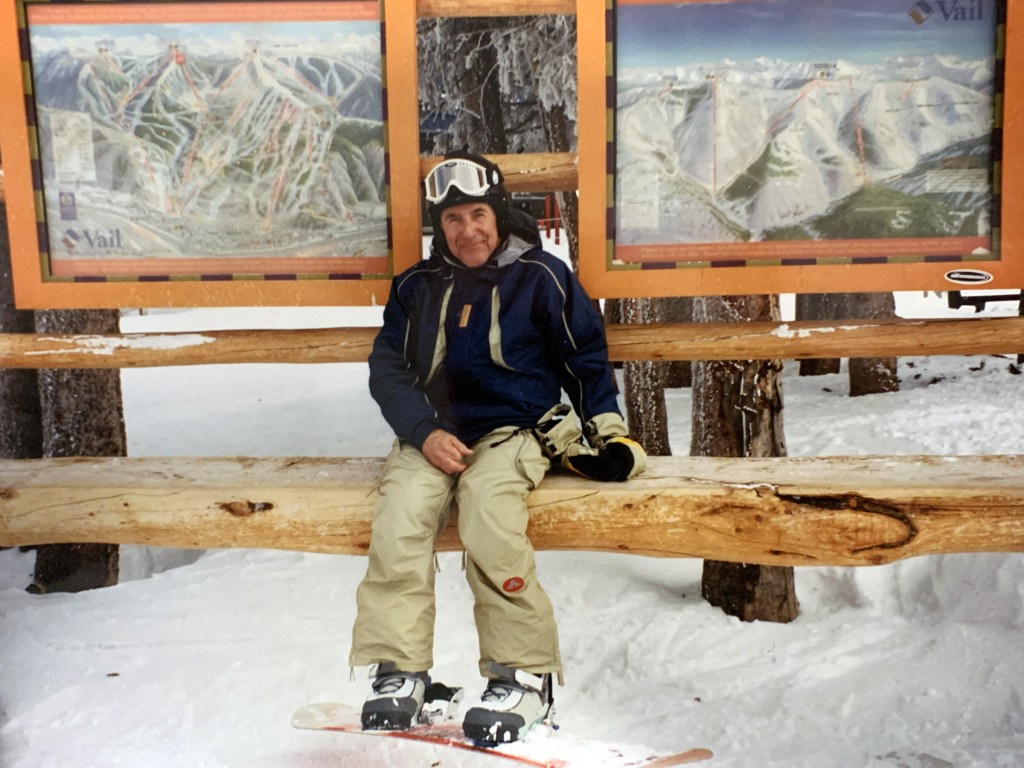
One of those people was Paul Alden, who passed away at 89 on April 9th, 2026. Paul wasn’t just part of snowboarding’s history. He helped build the scaffolding it stood on. And for me, he was someone I was lucky enough to cross paths with more than once.
A First Impression that Stuck
I first met Paul when he was GM at Soldier Mountain. Big smile. Firm handshake. The kind of presence that immediately made you feel like you were talking to someone who genuinely cared. When I mentioned I was from South Lake Tahoe and rode Sierra-at-Tahoe, his eyes lit up. “Oh! Do you know John Rice? Great man.” That was Paul. Always connecting people, always remembering the threads that held the community together.
Over the years, I kept running into him through different projects. Same energy every time. He loved snowboarding in a way that felt deeper than industry roles or titles. At the time, I knew he was important. I didn’t fully understand just how important until later.
The Work Behind the Scenes

What I learned is that in the mid 1980s, when snowboarding was still fighting for access at ski resorts, Paul was doing the unglamorous but essential work on the phone, in meetings, pushing through resistance. He helped solve one of the biggest barriers the sport faced: insurance. Working alongside Jake Burton and others, he convinced insurers to cover snowboarding, which opened the door for resorts across North America to finally allow it. In just a few years, the number of snowboard friendly resorts exploded from a few dozen to nearly every major mountain.
He also brought legitimacy to competitive snowboarding, working to secure early World Championships at Breckenridge Ski Resort and laying groundwork for what would become a global competitive circuit. From there, he was part of forming the early organizational structures that eventually helped snowboarding find its way toward the Olympics.
What Really Stays With Me
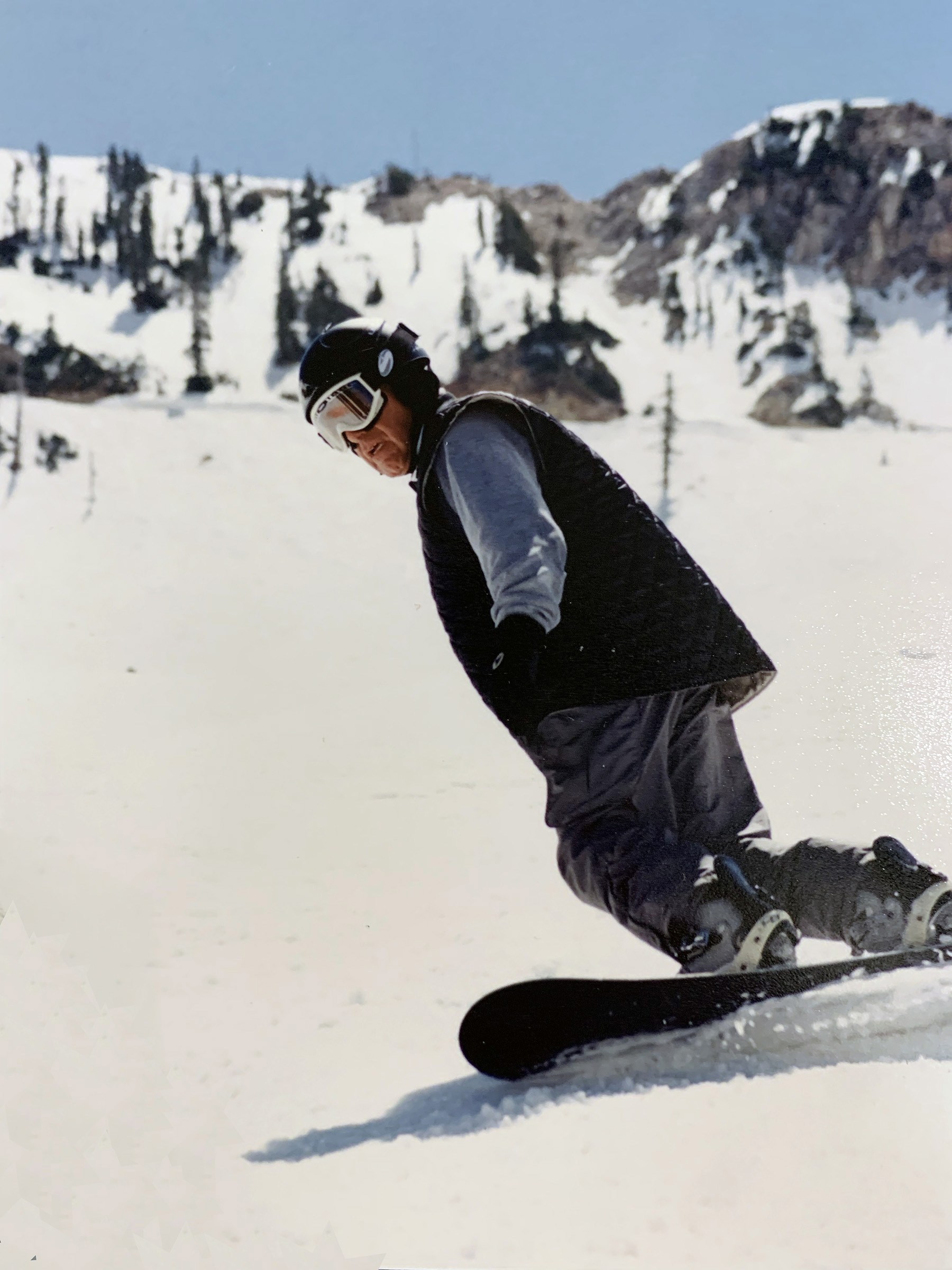
Even with all that, what stands out most to me isn’t the scale of his impact, it’s his consistency. He kept showing up and building. He kept caring about the sport long after it stopped needing saving and started becoming something bigger than anyone could have imagined.
And even then, he never seemed like someone chasing credit.
A Lasting Legacy

I think that’s what makes his passing hit harder than expected. Snowboarding has lost plenty of its early architects. But people like Paul don’t just represent history, they represent the connective tissue that holds the community together.
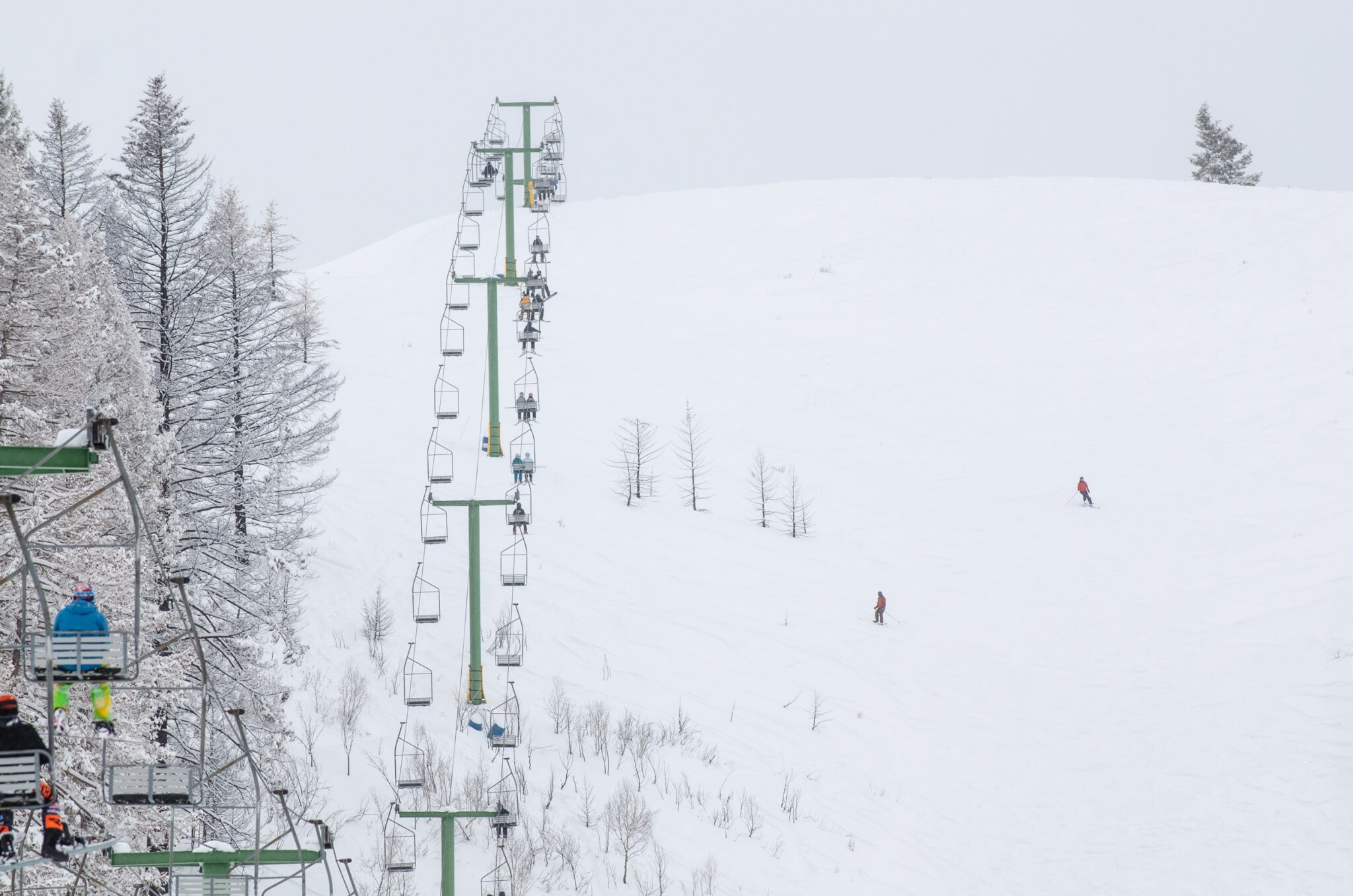
For me personally, I’ll remember that first handshake, that quick spark when you mentioned the right person, and the steady sense that he was always working in the background to move the sport forward. Over time, I came to realize his passion wasn’t limited to snowboarding either. He helped bring Soldier Mountain back from the brink of closure and was a founding ski area in the Indy Pass.
Snowboarding, and snowsports in general, are better because he was in them.