One of the most frustrating things about early season skiing is the uncertainty. One year you’re making turns before Thanksgiving. The next, you’re hoping for a single run by Christmas. That’s why last fall we talked about snow farming, an old technique getting a high-tech makeover from Snow Secure and now making its way to North America. Bogus Basin was one of the first resorts to try it, and what happened this winter could offer a glimpse into the future of early season skiing and snowboarding.
Why Bogus Basin Took the Leap
Every fall brings the same questions for ski resorts: Will we open on time? How much terrain can we offer? Will there be enough snow? That uncertainty is exactly why Bogus Basin invested in Snow Secure’s snow farming technology. While powder hounds are willing to wait for deep snow and off piste terrain, the period between Thanksgiving and Christmas is critical for introducing new skiers and riders to the sport. Being able to confidently schedule ski lessons, school programs, and holiday activities can make a huge difference, because if families miss that window, they often don’t come back later in the season.
Too Good to Be True?
You’re always a little skeptical when a company’s marketing makes claims that sound almost too good to be true. Saving 70 to 80 percent of a snow pile through an entire summer? Really? There was plenty of doubt. Maybe it worked in Europe, but could it work elsewhere?
Bogus Basin seemed like the ultimate test. Summer temperatures regularly climb into the triple digits, and the snow pile was stored on a south facing slope with full sun exposure. So how did Snow Secure’s first season perform? It not only met expectations, it exceeded them. In fact, resort staff were so excited that they didn’t just double down, they quadrupled down ordering enough of the product in late December to store a whopping 40-acre feet of snow! More on that later.
Surviving a Summer in the Idaho Sun
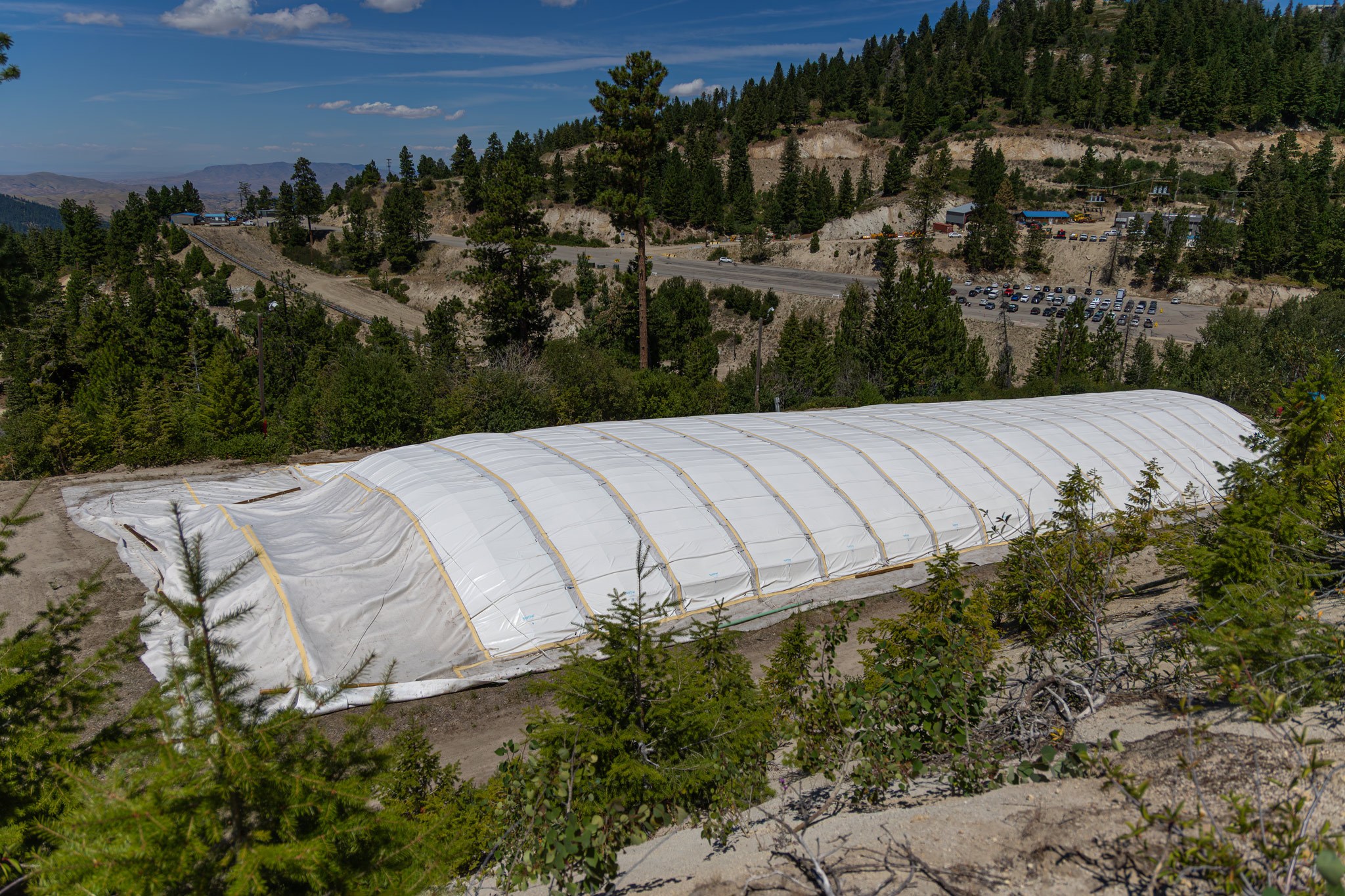
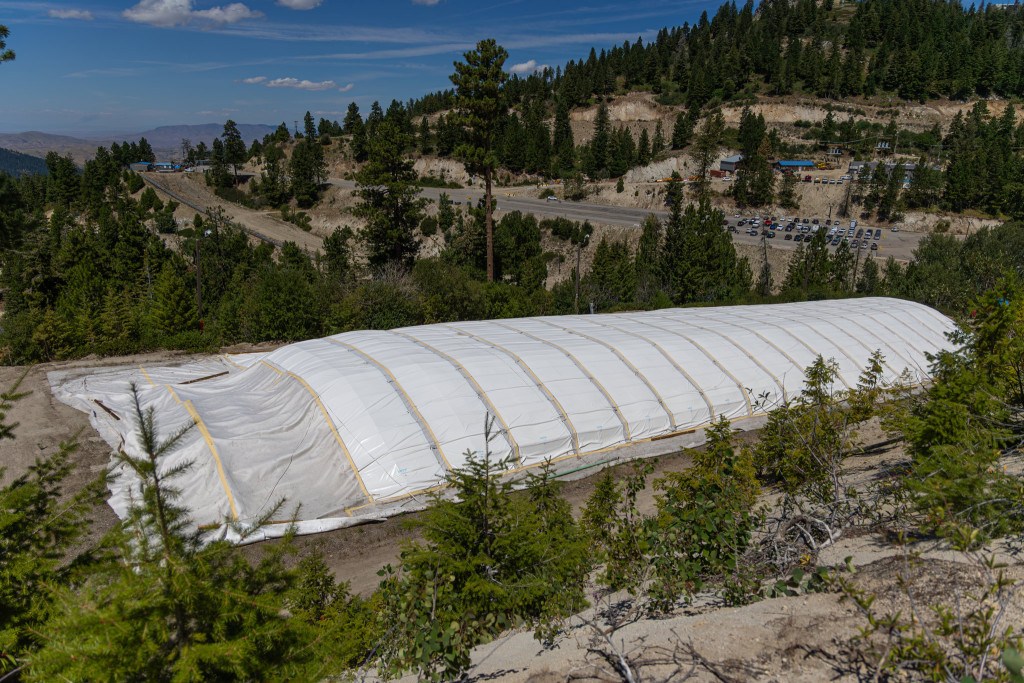
Thanks to a strong winter that kept the mountain open until May 3, Bogus Basin was able to harvest five acre feet of snow and install the Snow Secure system in a single day. Throughout the summer, air temperatures averaged around 77 degrees, while the snow surface reached a blistering 119 degrees on July 1. Yet beneath the Snow Secure panels, the snow maintained an average temperature of just 37.2 degrees all summer long.
When Bogus Basin uncovered the snow pile in October ahead of the first storms, they discovered an unexpected bonus. The Snow Secure panels had essentially turned the pile into a giant cooler, creating a protective ice shell as meltwater slowly drained away throughout the summer.
That ice shell proved invaluable. Late October and all of November brought record warmth and several rain events, conditions that can quickly destroy early season snow. While the pile did lose some volume, the frozen outer layer acted like armor, protecting much of the stored snow from the rain until it was ready to be spread out.
Six Weeks of Skiing Without Snow

On November 26, 2025, Bogus Basin pushed the snow pile out to an average depth of three feet, creating a 300-foot conveyor of snow that remained skiable from Thanksgiving through the Christmas holiday period. The snow supported Park 9 terrain features, a dedicated skiing and snowboarding lane, and all ski school operations. Even more impressive, the stored snow provided a quality skiing surface for six weeks without any help from natural snowfall. As the meltwater had filtered through the pile over the summer, the result was dense, durable snow that held up remarkably well.
Can Snow Farming Replace Snowmaking?
The bigger question is whether Snow Secure can replace snowmaking. The answer is no. Instead, it acts as an insurance policy when early season temperatures are too warm for snowmaking, while also helping resorts make better use of the snow they can produce.
Take Bogus Basin as an example. Despite having the second largest snowmaking system in Idaho, the resort is limited by how much water it can store. Their snowmaking pond holds just 40-acre feet of water or about 13 million gallons. Opening the beginner area alone requires roughly 3 million gallons, and water levels must be carefully managed as the pond slowly recharges throughout the season.
By storing snow from the previous winter, Bogus Basin can open beginner terrain immediately without using valuable snowmaking resources. That allows the snowmaking team to focus on expanding terrain elsewhere on the mountain, such as intermediate runs like Stewart’s Bowl. Rather than replacing snowmaking, Snow Secure helps resorts stretch their resources further and get more terrain open faster.
The Little Details That Matter
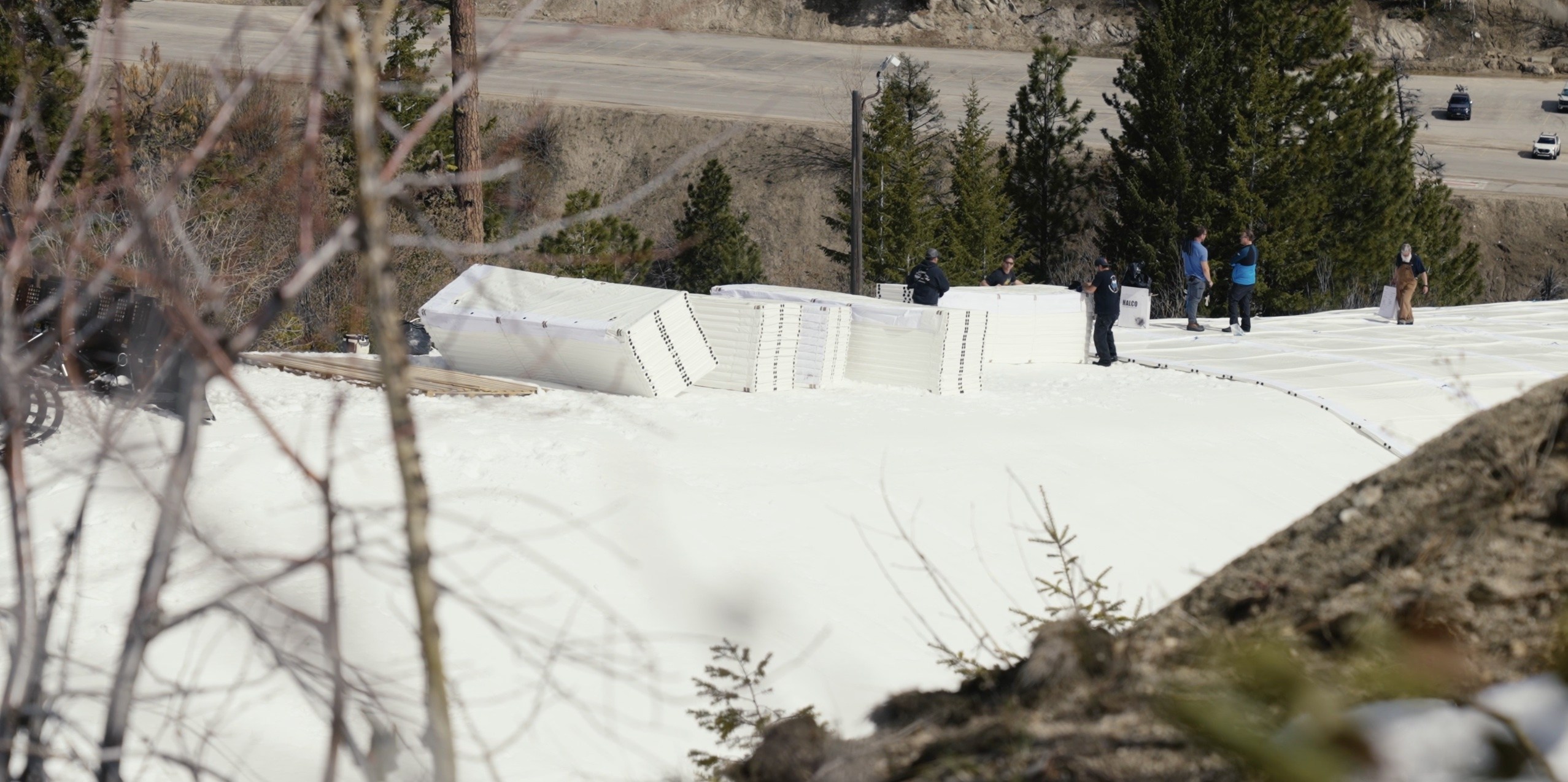
When it comes to snow storage, air temperature isn’t the only thing resorts need to worry about. Wind can be just as destructive. As highlighted in the film Shaped by Ice, air moving underneath a glacier can dramatically accelerate melting. The same principle applies to snow farming. Drafts beneath the snow pile can quickly erode months of hard-earned snow, which is why resorts need to be strategic about where they store it, how they seal the cover, and how they secure the Snow Secure panels. Snow farming may sound straightforward, but success comes down to the details.
The pilot program also revealed opportunities for improvement. One of the biggest lessons was that the shape of the snow pile matters. By minimizing ground contact and building the pile in a more trapezoidal shape, Bogus Basin could have increased its thermal storage capacity and preserved even more snow. Sun Peaks in Canada, another resort using Snow Secure, reduced ground contact by building its pile on top of an existing snow base, helping it retain even more snow through the summer.
Timing is another critical factor. Remove the Snow Secure cover too early and you risk losing some of the snow you worked so hard to save. Remove it too late and the panels can freeze to the pile, potentially damaging the system. During the pilot program, the Bogus Basin team erred on the side of caution and uncovered the pile about a month earlier than they would have liked.
Their advice? Don’t get fooled by the first taste of winter. Let that initial snowfall come and go, wait for the next warm spell, and then remove the cover when conditions are right.
What’s Next for Bogus Basin?
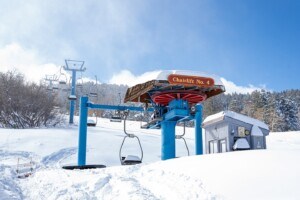
After the success of the pilot program, Bogus Basin has much bigger plans for Snow Secure. Over the next three to five years, the goal isn’t just to open the conveyor lift before natural snowfall arrives. The resort hopes to open the Coach Chairlift as well, providing roughly 300 vertical feet of skiing, about as much as many Midwest ski areas offer all season long. This would allow Bogus to operate beginner and lower mountain terrain as long as needed until temperatures become cold enough for large scale snowmaking.
The benefits extend far beyond simply getting skiers on snow earlier. Reliable pre Thanksgiving operations would allow the resort to confidently schedule ski lessons, youth programs, and even small race camps weeks before they normally could. At the same time, snowmaking crews could focus their efforts on expanding terrain across the mountain instead of using precious water and resources to cover beginner slopes.
A Brutal Winter Changes the Plan

Bogus Basin originally planned to dramatically expand its use of Snow Secure after the pilot program. Then the winter of 2025/26 arrived. Anyone who followed conditions out West knows it was a brutal snow year. With very little snow available to harvest, the resort managed to store just six acre feet of snow. Even that required more than 170 hours of snowcat work, compared to only 40 hours the previous season. As a result, they were nowhere near the 40 acre feet of storage capacity they had purchased.
Rather than letting those unused Snow Secure panels sit in storage, Bogus worked with Snow Secure and SMI Snow Makers to get them into the hands of other resorts. Five additional ski areas will now have the chance to test the technology and see the same benefits Bogus experienced.
The Future of Early Season Skiing?
In other words, Bogus Basin didn’t back away from snow farming. They helped spread it. And if the pilot program is any indication, this may be just the beginning of a much larger shift in how North American ski resorts think about early season operations.