Every summer, it seems wildfire season sets its sights on another ski area. Two summers ago, five resorts from Mt. Rose to Big Bear found themselves in the path of major fires. Back in 2021, our own home mountain, Sierra-at-Tahoe, became one of the most heartbreaking casualties of the Caldor Fire. And now, our hearts break for another beloved independent mountain which is on the Indy Pass: Eagle Point in southern Utah.
The Cottonwood Fire’s Devastating Impact
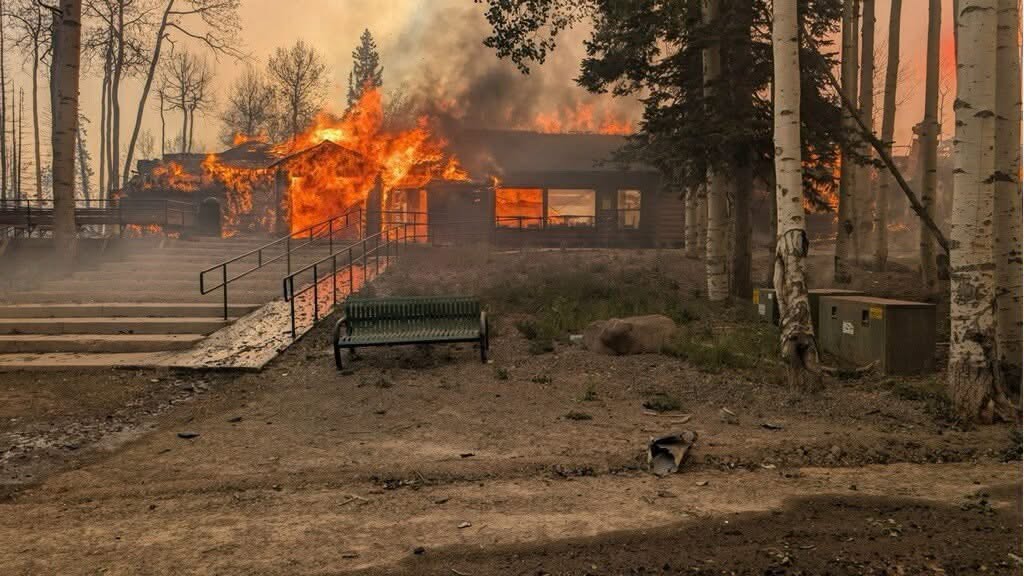
Located about 3.5 hours northeast of Las Vegas, the Cottonwood Fire ignited on June 22 and exploded in size as wind gusts reached 50 mph. By June 25, the blaze had grown to more than 59,000 acres with 0% containment. The fire tore through Eagle Point Resort east of Beaver, Utah, causing significant damage to the ski area along with nearby privately owned cabins and condos. Thankfully, no human casualties have been reported, but resort owner Shane Gadbaw said Eagle Point will remain closed for a considerable time while crews wait for conditions to become safe enough to assess the full extent of the damage.
While Utah has seen larger wildfires, Governor Spencer Cox said the Cottonwood Fire could become the state’s most destructive in terms of property loss, with Eagle Point among the hardest-hit locations.
Beyond the Headlines
But instead of simply reporting what happened, we wanted to understand what was truly lost.
That’s why we reached out to our good friend Tait Ecklund, who grew up skiing Eagle Point back when it was known as Elk Meadows. For him, this isn’t just another wildfire headline. It’s the loss of a place that reminded him of what skiing used to be.
A Mountain That Felt Like Skiing Used To
Tait first skied Eagle Point as a teenager in the mid-to-late 1990s. At the time, it was known as Elk Meadows. Growing up in Las Vegas after moving from El Paso, his family had a few options within striking distance, including Mt. Charleston and Brian Head. But Eagle Point, though a little farther, offered something different.
“It was quiet. Not ‘less busy.’ Quiet.”
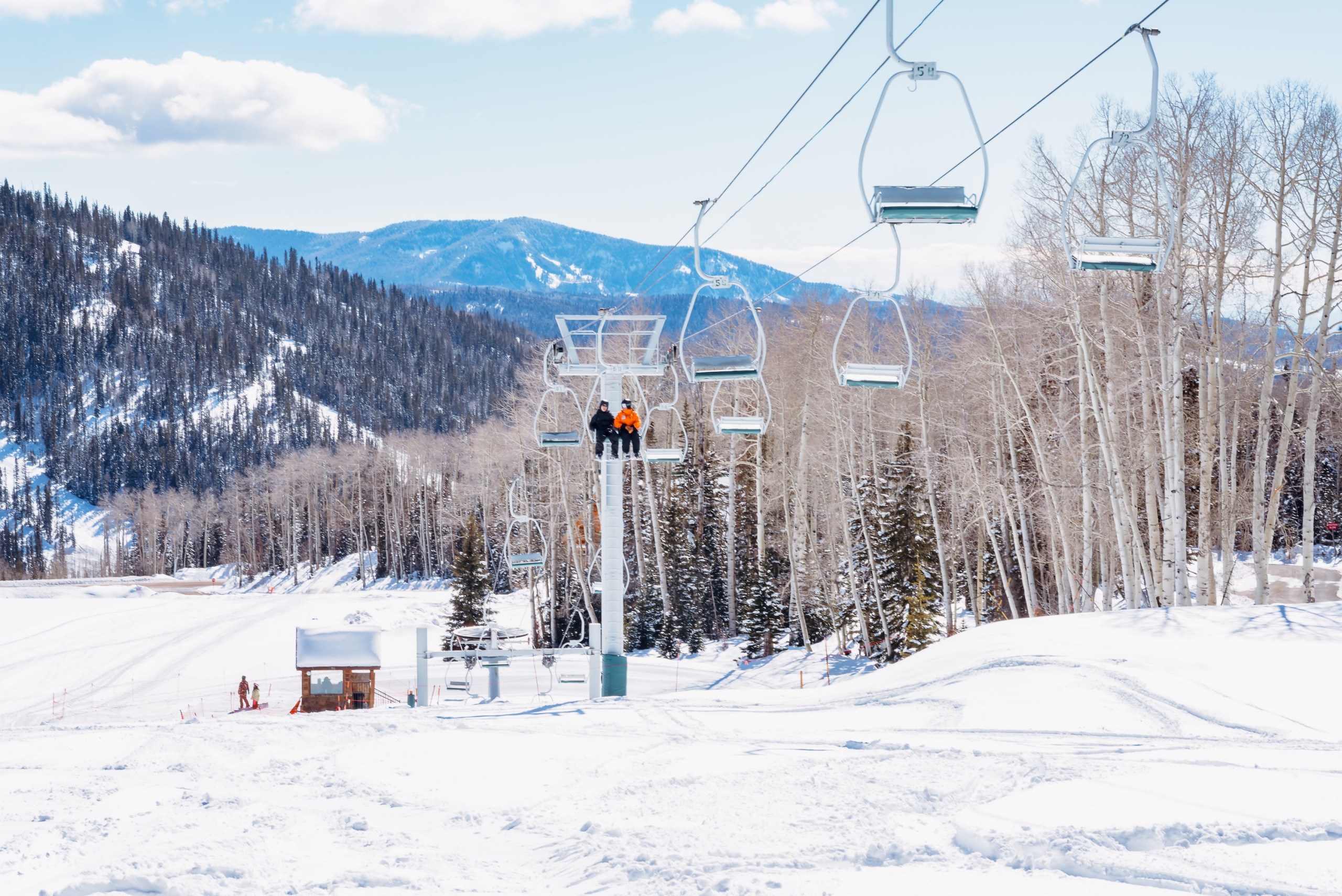
Years later, when Tait returned, that same feeling was still there. Lift tickets were affordable. Parking was simple. The lot was tiny “the size of a thimble.” You didn’t have to sprint for first chair or stress about beating the crowds. In his words,
“… you could look ahead and see ten empty chairs in front of you and ten empty chairs behind you.”
That’s rare these days.
For Tait, Eagle Point was the kind of place where skiing still felt easy. Show up when you show up. Have a good breakfast. Take your time. Make turns. Enjoy the mountain. No mega-resort chaos. No aggravation. Just good snow, good terrain, and a laid-back rhythm that’s getting harder and harder to find.
The Hardest Part: How Fast It Happened
When Tait first heard about the fire, the news came quickly. His brother texted him that the lodge was burning. Within hours, it was clear this was bad.
“It was devastating,” he said.
Like many skiers who love smaller mountains, his first thoughts went beyond the physical damage. Can Eagle Point survive this? Can they come back? Are we about to lose another great little ski area?
Those questions hit even harder because Eagle Point has already had a complicated history. The resort was closed for roughly a decade before returning under the Eagle Point name. For a place that has already fought its way back once, the thought of another long closure is painful.
What Made Eagle Point Special

Eagle Point wasn’t the biggest. It wasn’t the flashiest. And that was exactly the point.
To Tait, it was a true Mom & Pop mountain with real terrain, great snow, and none of the nonsense that can come with larger resorts. The lower mountain, especially the Lookout Quad area, stood out most. He described that terrain as “dynamite,” with advanced runs, tight trees, and barely anyone skiing it.
That also makes the reported damage even more painful. According to Tait, it sounded like the lower mountain and lower lodge area were among the places hit hardest, with cabins on the lower mountain lost as well.
For the people who owned those cabins, this is personal. For the resort, it’s a massive blow. And for skiers who knew Eagle Point, it’s the kind of loss that doesn’t fit neatly into acreage numbers or containment reports.
A Place Built For Family Weekends
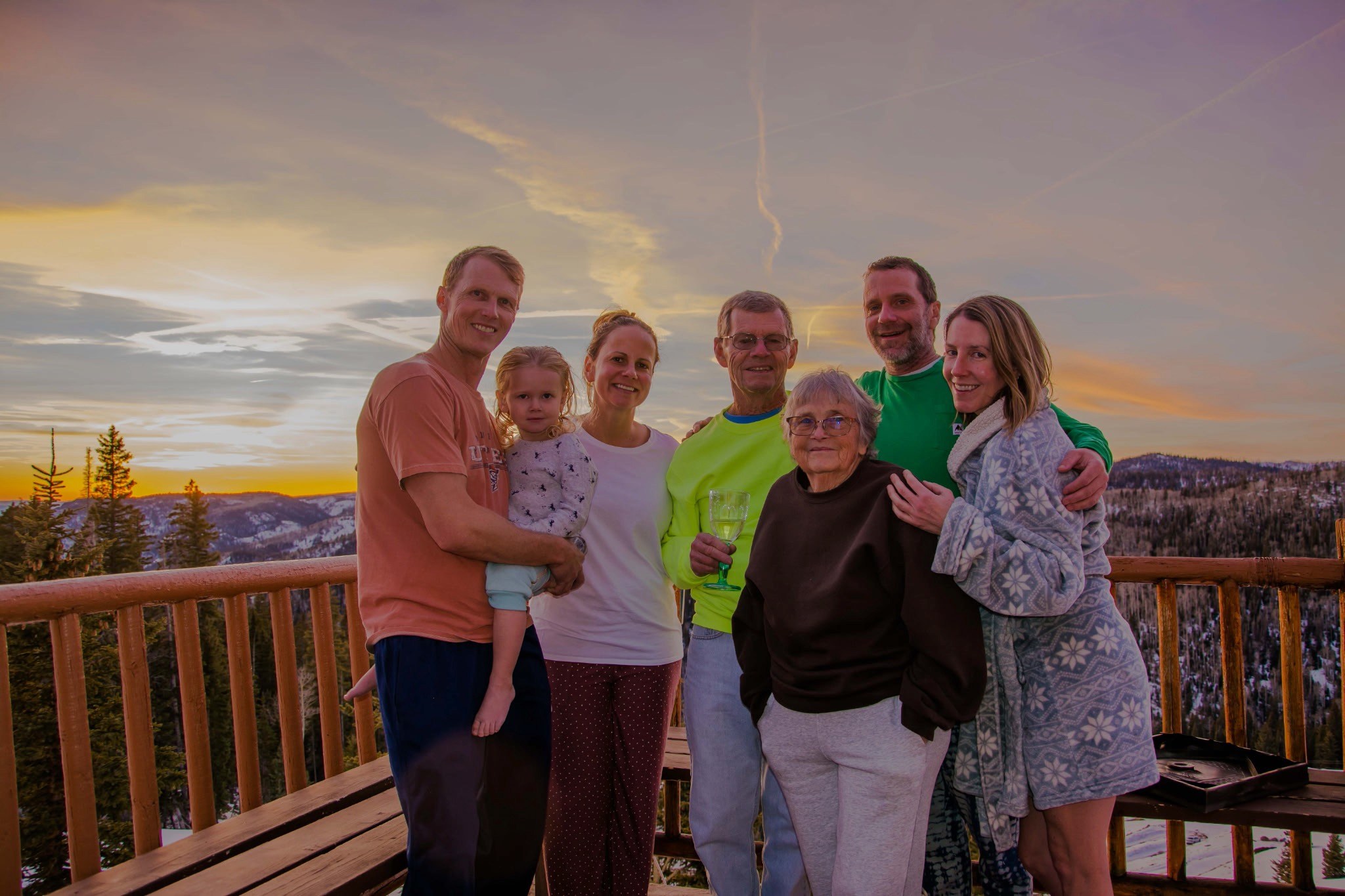
One of Tait’s favorite memories at Eagle Point wasn’t about a powder day or a perfect run. It was a family trip for his parents’ 55th anniversary.
That says a lot about the place.
Eagle Point was small enough that you didn’t have to be in a rush. The whole family could gather, ease into the day, and still have a great time on the mountain. No frantic parking battle. No lift-line stress. And no pressure to maximize every minute.
Just a relaxing weekend in the mountains.
That’s the magic of ski areas like Eagle Point. They’re not just places to rack up vertical. They’re where families reconnect, kids fall in love with skiing, and grown-ups remember why they started in the first place.
What Comes Next?
Right now, the full extent of the damage is still unknown. Conditions remain dangerous, and the resort has said it will share more once crews can safely return and assess what was lost.
Tait’s hope is simple: Eagle Point comes back.
“I hope they open and experience a rebirth,” he said.
But he’s also realistic. Small ski areas don’t have unlimited resources. Rebuilding after a disaster of this scale is a massive challenge, especially for a resort that was already operating as a smaller, independent mountain.
Still, if there’s one thing he wants people to remember, it’s this: Eagle Point was (and is) special.
It brought skiing back to its simplest form. Great terrain. Great snow. No crowds. No stress. Just a cool little Mom & Pop mountain that deserved to be loved.
And if Tait could send one message to everyone who has ever cared about Eagle Point, it would be this:
“Let’s rally around it and help bring it back.”