Perched on the eastern edge of the Lake Tahoe Basin in the Carson Range, Spooner Lake State Park is one of the few places where you can feel truly immersed in the wilderness just minutes after leaving Highway 50. The scenery is world class. But for mountain bikers, reaching the best trails has often meant enduring long gravel road climbs before the fun begins. That could soon become a thing of the past. Nevada State Parks has released the first public draft of the Spooner Lake & Backcountry Master Plan. If fully realized, it could transform one of the biggest gaps in Tahoe’s singletrack network. Even better, it would complement the 45-plus miles of approved trails in the Lake Tahoe Basin Wide Trails Analysis Project, creating an even stronger regional trail system.
Unlocking the Best of Spooner Lake State Park

Spooner Lake State Park already serves as the gateway to what could arguably be the world’s most scenic mountain bike ride, the Flume Trail. Add in spectacular stretches of the Tahoe Rim Trail, peaceful forests, meadows, and alpine lakes this park has a lot to offer. The challenge has always been reaching many of its biggest attractions. Rather than simply adding more trails, the Spooner Lake & Backcountry Master Plan reimagines how visitors experience nearly 12,000 acres of backcountry. It replaces miles of service roads with thoughtfully designed singletrack while preserving the wild character that makes Spooner so special.
Why The Park Is Changing
While visitors have enjoyed Spooner Lake State Park for decades, outdoor recreation has evolved dramatically over the last ten years. E-bikes now allow visitors to travel much deeper into the backcountry than ever before. That creates both new opportunities and new management challenges. At the same time, heat mapping conducted during the planning process revealed that social media has transformed once quiet destinations like Monkey Rock into some of the park’s busiest attractions. Today, visitation there approaches that of the Spooner Lake Visitor Center. By understanding where people are actually recreating, Nevada State Parks can better direct trails and amenities while protecting the area’s natural beauty.
More Than Just a Trails Plan
Rather than reacting to each new recreation trend, Nevada State Parks is taking a long view. Working with Design Workshop, the agency is creating a comprehensive master plan that balances recreation, conservation, cultural resources, and habitat restoration while guiding improvements for years to come.
As Ben Fish of Design Workshop explained:
“This isn’t just a trails plan. It’s a vision for how recreation, cultural sites, and environmental restoration can all work together. One of the biggest goals is getting visitors off service roads and onto purpose built trails while minimizing impacts to the surrounding landscape.”
The Biggest Goal? Get You Off the Service Roads

Mountain bikers may be some of the biggest winners if the plan moves forward. Today, reaching many of Spooner’s iconic rides from the Flume Trail to the new Capital to Tahoe trail means long climbs on roads that were never intended to be recreational experiences.
One of the master plan’s biggest goals is to replace lengthy service road grinds with purpose built singletrack. Just as importantly, it does so while protecting the surrounding landscape. Rather than carving entirely new corridors through untouched forest, many of the proposed trails would follow or repurpose old road cuts and “ghost roads” left behind during the Comstock Lode era. By breathing new life into these previously disturbed historic routes, the plan improves recreation while minimizing impacts to sensitive natural and cultural resources.
According to planners, about 10 miles of new trail are currently proposed within the Nevada State Park. Perhaps more importantly, every one of those new trails would be open to mountain bikes.
The Game Changers for Mountain Bikers

The mountain biking potential goes far beyond the 10 miles of proposed new trail. Rather than adding isolated segments, the plan strategically fills key gaps to create an interconnected singletrack network both within Spooner Lake State Park and to surrounding trail systems. The result would unlock dozens of new loop options. It would replace many of today’s tedious service road climbs, and make iconic destinations like Marlette Lake, Hobart Reservoir, the Flume Trail, and the Tahoe Rim Trail more enjoyable to reach.
Here are the proposed trail segments we’re most excited about:
T11:
Finishing the Flume Trail used to mean enduring a miserable three mile descent down a loose, sandy logging road to reach your car. TAMBA has already improved that experience with the Tunnel Creek Bypass. Proposed trail T11 would complete the missing connection on the north side of Spooner Lake State Park. Once built, it would seamlessly link the Tahoe Rim Trail, the Flume Trail, Incline, and the new Tunnel Creek Singletrack. The result would be a much more enjoyable network of ride options with far less time spent on roads.
T2 & T5E:

The highest priority project and the one most likely to be completed first. A new North Canyon singletrack that would replace one of the park’s least inspiring road climbs with a far more enjoyable multi use trail. For riders, this could fundamentally change many of Tahoe’s classic routes including Rose to Toad’s. Instead of enduring miles of gravel before reaching the good stuff, the journey itself becomes part of the adventure.
T7:
Beyond North Canyon, reaching the eastern side of the park has traditionally meant enduring long, grinding climbs on Marlette Lake Road. Proposed trail T7 would change that. It would connect Marlette Lake to Laxalt Junction via singletrack, bypassing much of the service road. Even better, it would create new loop options on one of the Tahoe Rim Trail’s most enjoyable sections. It would also provide easy access to the legendary Capital to Tahoe Trail. This iconic point to point ride crosses multiple climate zones, descending from the alpine forests above Lake Tahoe to Nevada’s Capitol in Carson City almost entirely on singletrack.
Spooner Lake Could Become Much More Beginner Friendly
Not every improvement is aimed at experienced riders either. One of the proposed highlights is a new beginner friendly trail tentatively called the Lake Vista Trail (T3).
Starting near the Spooner Lake Visitor Center, the roughly three-mile loop would climb less than 1,000 feet before reaching new viewpoints overlooking Lake Tahoe while passing historic sites and Spooner Meadow.
For families, newer mountain bikers, and casual hikers, it could become one of the park’s signature experiences.
The plan also calls for widening portions of the popular Spooner Lake Loop to better accommodate growing visitation.
Keeping Spooner Wild
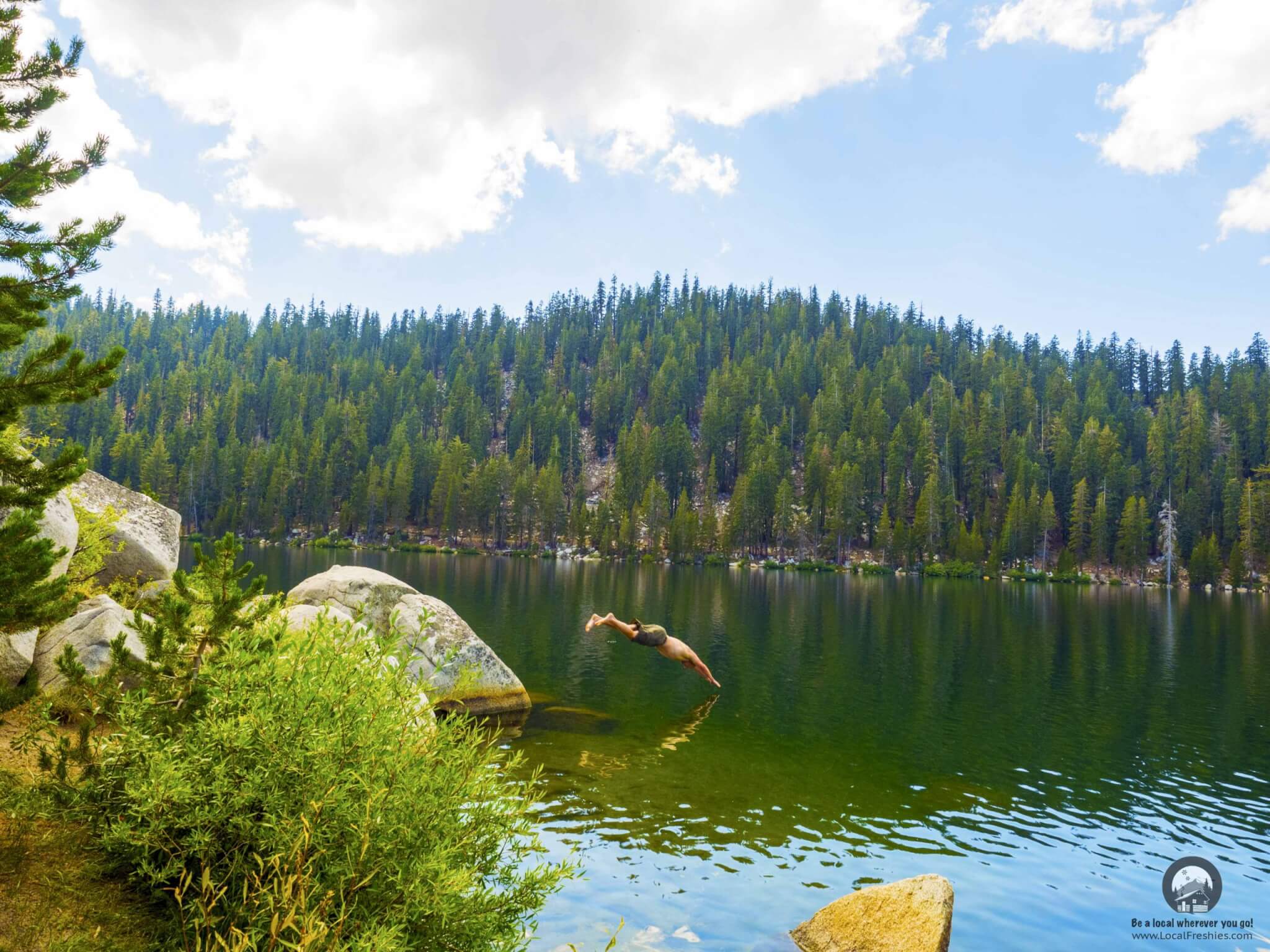
One theme echoed throughout the public input process: people love Spooner because it feels remote. Despite being just minutes from Highway 50, visitors consistently described the backcountry as feeling, in the words of Nevada State Parks’ Chris Johnson, “more wild than the wilderness.”
The draft Master Plan is designed to preserve that feeling. Instead of developing every corner of the park, it proposes adding about 977 acres to designated Wild Areas by removing unused historic roads and other previously disturbed corridors. These areas would remain largely untouched, protecting wildlife habitat, sensitive cultural sites, and the solitude that makes Spooner so special. The plan recognizes that improving recreation doesn’t always mean building more trails. Sometimes, it means restoring the landscape and letting nature reclaim it.
Winter Recreation Could See Big Changes Too
While we’re thinking about mountain biking because it’s summer, Spooner’s backcountry has long been a favorite destination for Nordic skiers. In fact, several of the park’s trails were historically groomed during the winter. As backcountry skiing and splitboarding continue to grow in popularity, the Nordic community became one of the most engaged groups during the planning process.
Potential ideas include expanded groomed trails and better winter trail connections. The plan also explores primitive camping, additional overnight accommodations near Marlette Lake, and even the possibility of future hut to hut experiences. While nothing is finalized, the vision recognizes Spooner as a true four season destination.
What Happens Next?
The draft Spooner Lake & Backcountry Master Plan is open for public comment through July 19, 2026 (survey under Get Involved), with Nevada State Parks aiming to finalize it later this summer. Whether you’re a mountain biker, hiker, equestrian, Nordic skier, trail runner, or simply someone who loves escaping into Spooner’s quiet forests, now is the time to weigh in before the plan is finalized.
Once adopted, the plan will guide priorities over the next decade and beyond. Individual projects will still need funding, environmental review, permitting, and detailed design before construction can begin.
One Thing They Need More Than Money
Nevada State Parks doesn’t just need funding. It needs more “Jaime the Trail Builders”—people willing to grab a McLeod, move dirt, and help build the trails they’ll ride tomorrow. Trail builders, volunteers, and community partners will all play a critical role in turning this vision into reality. If successful, the result won’t just be more trails. It’ll be a better connected, more accessible, and better protected Spooner Lake for generations to come.