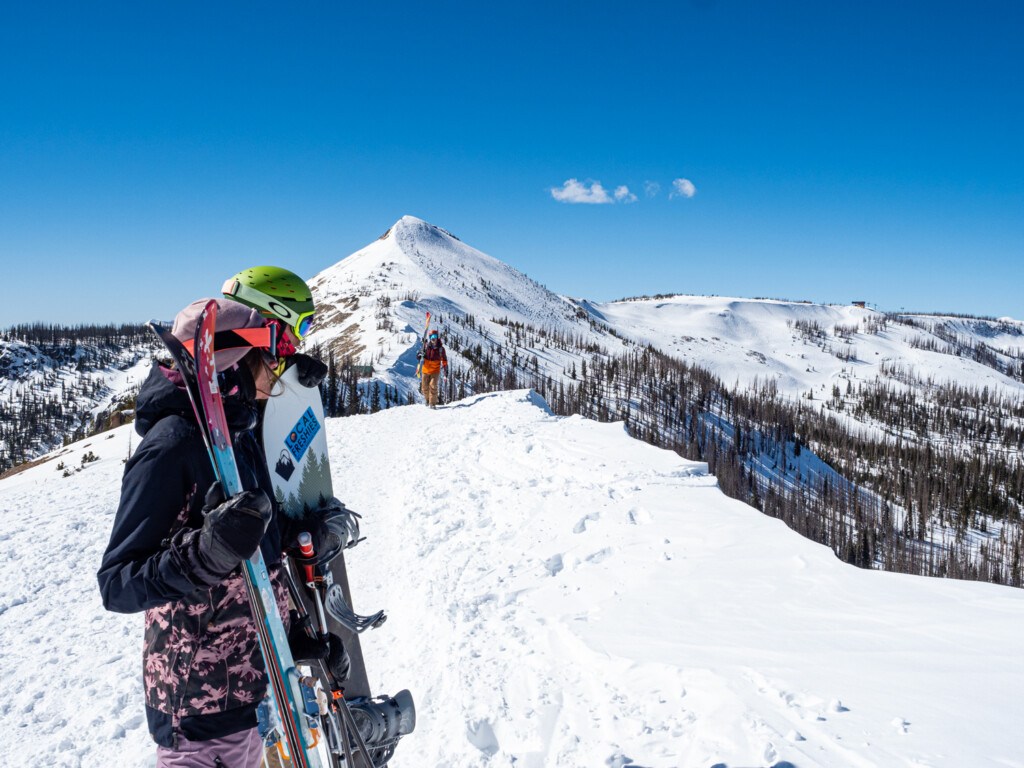
There are ski areas I’ve enjoyed because we were lucky enough to hit them on the perfect day, and then there are places that remind me why I fell in love with skiing in the first place. Wolf Creek is firmly in the second category.
I first heard about it in 1992. My family was passing through Pagosa Springs when I spotted a flyer in one of those tourist brochure stands at a breakfast joint that made a pretty bold claim: “Snowiest Ski Area in Colorado.” I grabbed it, devoured every word and somehow filed Wolf Creek away in my brain for more than 30 years.
Jaime came into our trip from almost the exact opposite direction. She grew up skiing Heavenly and had always pictured a lot of Colorado skiing as more straightforward resort skiing. Obvious cut runs, obvious ways down, not a whole lot of figuring things out. What she loves is exploring a mountain, poking around, connecting terrain and following something simply because it looks interesting.
Meanwhile, I’d wanted to ski Wolf Creek ever since seeing that flyer. It was just always a little out of the way compared to where I’d lived and the destinations I naturally gravitated toward. So more than 30 years later, I was finally getting there, while Jaime wasn’t entirely convinced she wanted to ski Colorado in the first place.
After two days at Wolf Creek, we agreed on the same thing:
We need to come back.
And here’s the funny part. We didn’t even hit Wolf Creek during some ridiculous 30 inch powder cycle. It hadn’t snowed for a while. The wind blew, the sun came and went, and apparently 30 degrees in Southern Colorado can somehow feel like the coldest 30 degrees Jaime has ever experienced.
None of that mattered. We carved chalky snow, found untouched pockets hiding in the trees, hiked ridgelines to powder seemingly everyone else had forgotten about and slowly started figuring out how this strange little mountain actually works.
Because Wolf Creek doesn’t give itself away immediately. Some of the best skiing comes from poking around, connecting little shots, following ridgelines and working a little harder to find out what’s hiding around the next corner.
Wolf Creek is an explorer’s mountain.
Once you understand that, the place starts making a lot more sense. So if you’re planning your first trip to Wolf Creek, this is everything we’d want to know before pulling into the parking lot.
Table of Contents
- Why Wolf Creek Is Different
- First Time at Wolf Creek? Here’s How We’d Ski It
- Wolf Creek Terrain by Ability
- Knife Ridge: My Most Embarrassing Moment
- Why Wolf Creek Gets So Much Snow
- When to Ski Wolf Creek
- Getting to Wolf Creek: Out of the Way Is Part of the Appeal
- What to Eat at Wolf Creek Ski Area
- Where to Stay: South Fork or Pagosa Springs?
- Is Wolf Creek Worth the Trip?
Why Wolf Creek Is Different
On paper, Wolf Creek’s numbers are a little strange. It has roughly 1,600 acres, 1,604 feet of vertical and 133 named trails. Then there’s the number that originally caught my attention all those years ago: 430 inches of average annual snowfall.
Wolf Creek is also still family owned and operated, something that feels increasingly unusual in Colorado and helps explain why the experience felt so different from the big resort skiing Jaime had pictured.
But Wolf Creek can fool you when you first pull into the parking lot. You look up and think, Oh. It’s not that steep. Compared to somewhere like Taos, it isn’t built around enormous, sustained fall line descents that seem to go forever.
Wolf Creek is much more terraced. You’ll drop into something legitimately steep, then the terrain eases off before rolling into another pitch farther down.
Steep. Mellow. Steep. Mellow.
That rhythm is a huge part of how Wolf Creek skis. The mountain doesn’t present its best terrain in one giant obvious package. You have to figure out how the pieces connect.
If you’re an expert, part of the fun is learning how to link steeper pitches, glades and rollovers together. If you’re a beginner or intermediate, you’re solving the same problem in reverse by figuring out which connections let you keep exploring without accidentally dropping into something you’re not ready for.
Wolf Creek is almost like a giant skiing puzzle. From the parking lot, it might not immediately blow you away. Once you start figuring out how the pieces fit together, it becomes a completely different mountain.
There’s another thing that makes Wolf Creek unusual: snow. Its location and elevation can make it one of Colorado’s best early season skiing opportunities when Mother Nature cooperates, but that enormous snowfall average doesn’t arrive evenly.
We’ll get to that, because understanding how Wolf Creek gets its snow is a BIG part of deciding when to visit.
First Time at Wolf Creek? Here’s How We’d Ski It

The Wolf Creek trail map looks more complicated than the mountain feels once you start moving around it. There’s actually a pretty natural progression, with much of the easiest terrain toward skier’s left around the main base and Raven side. As you work skier’s right toward Treasure Stoke, Alberta and eventually the upper terrain, things generally become more adventurous.
That doesn’t mean everything skier’s right is difficult. It means where you go after getting off the lift starts mattering more. Wolf Creek even advises skiers and snowboarders that its trail ratings are relative to Wolf Creek, so there’s nothing wrong with starting easier than you normally would while you figure the place out.
Start in the Middle and Get Your Bearings
For a solid intermediate or advanced skier or snowboarder, we’d start around Treasure Stoke. It puts you in a good central position and gives you a chance to understand how the mountain connects before you start disappearing into the trees.
Think of those first couple runs as reconnaissance. Figure out where things funnel, which lifts bring you back where and how the mountain fits together. Even if you normally ski advanced terrain somewhere else, spend a couple of runs getting oriented.
Learn the mountain before assuming you know what’s around the next rollover.
Then Start Poking Around
Once we had our bearings, we’d start working skier’s right toward Alberta. This is where Jaime really started connecting with Wolf Creek.
She likes exploring, but there’s a difference between exploring and gambling with a wrong turn. Some mountains have terrain where ducking through the wrong opening can suddenly leave you above a cliff or somewhere you REALLY don’t want to be.
Wolf Creek hit a different sweet spot for her. There was always another opening in the trees that looked interesting, another little pocket to connect or another way down that made you wonder where you’d eventually pop out.
It felt adventurous without every decision feeling consequential.
That doesn’t mean Wolf Creek is consequence free. Once you start getting into the steeper terrain, cliffs and upper mountain zones, you absolutely need to pay attention to where you’re going and ski within your ability. But there’s a lot of mountain where curiosity feels rewarded rather than punished.
Save Some Energy for the Ridgeline
Once you understand how Wolf Creek works, that’s when we’d start looking uphill. Some of the most memorable terrain isn’t sitting directly beneath a chairlift.
The hiking is part of the experience too. You slow down, look around and start appreciating where you actually are instead of thinking only about squeezing in another lap. It hadn’t snowed for several days during our visit, yet the farther we explored, the more untouched snow we found.
It felt better because we’d worked for it.
Wolf Creek Terrain by Ability
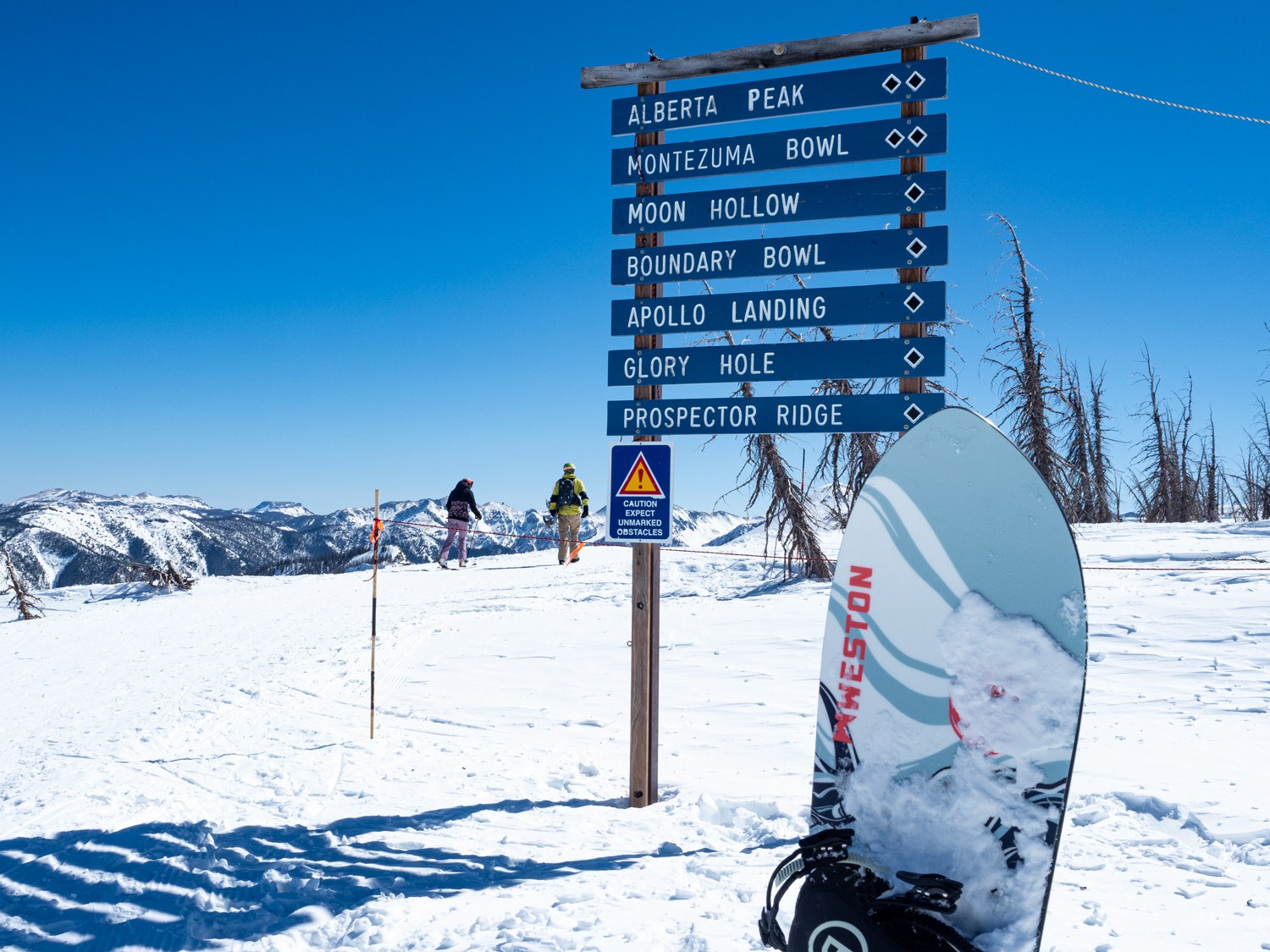
Wolf Creek officially has something for everyone from first timers to experts, but percentages don’t explain this mountain particularly well. What matters more is understanding which parts of Wolf Creek make sense for you.
Beginners: Stay Skier’s Left and Build Confidence
Don’t let all our talk about Knife Ridge scare you. Wolf Creek has a very approachable beginner side, and you can learn without going anywhere near the mountain’s wilder terrain.
True first timers can start around Tumbler and Nova. Once you’re comfortable, Raven is the natural next step, letting you expand the size of the mountain while still keeping easier options back down.
If you’re a newer skier or snowboarder, don’t keep working skier’s right just because everyone else seems to be heading that way. Treasure Stoke, Alberta and the terrain beyond begin introducing more complicated route choices.
The goal is simple: explore a little farther while always knowing you have a comfortable way down.
Intermediates: This Is Where Things Get Interesting
Intermediates may have the most surprising experience at Wolf Creek because you aren’t trapped in one little blue zone. You can gradually work across the mountain as your confidence builds.
We’d start around Treasure Stoke and Bonanza. Tranquility is a great introduction, rolling down the mountain with enough pitch to make big turns without immediately throwing you into the deep end.
From there, start working farther skier’s right. And yes, a strong intermediate can absolutely ride Alberta. But Alberta serving intermediate terrain doesn’t mean everything surrounding the lift is intermediate.
Stick with the obvious routes first, pay attention to where terrain funnels and learn which connections return you to something comfortable. Wolf Creek’s terraced character can actually make progression fun because you might challenge yourself on a steeper pitch, regroup when the terrain mellows, then decide whether you’re ready for the next rollover.
Advanced Skiers: Start Connecting the Pieces
This is where Wolf Creek really opens up. If you’re comfortable with trees, ungroomed snow and steeper terrain, stop thinking only in terms of named runs and start looking at how the terrain connects.
Alberta Face is a great place to start turning up the volume. It gives you a solid shot of sustained fall line skiing without requiring a major mission to reach it.
From there, the Alberta side starts offering more possibilities. Glades feed into pitches, pitches flatten out, and another rollover appears farther down. The fun becomes figuring out how to stitch those sections together.
This is also where the Waterfall Area enters the conversation, bringing steeper shots, gullies, chutes and cliffs into the mix. You can still explore, but now you start looking before you leap.
There’s a shift from I wonder where that goes to I wonder where that goes, and let’s make sure we actually want to go there.
Experts: Figure Out How to Maximize the Mountain
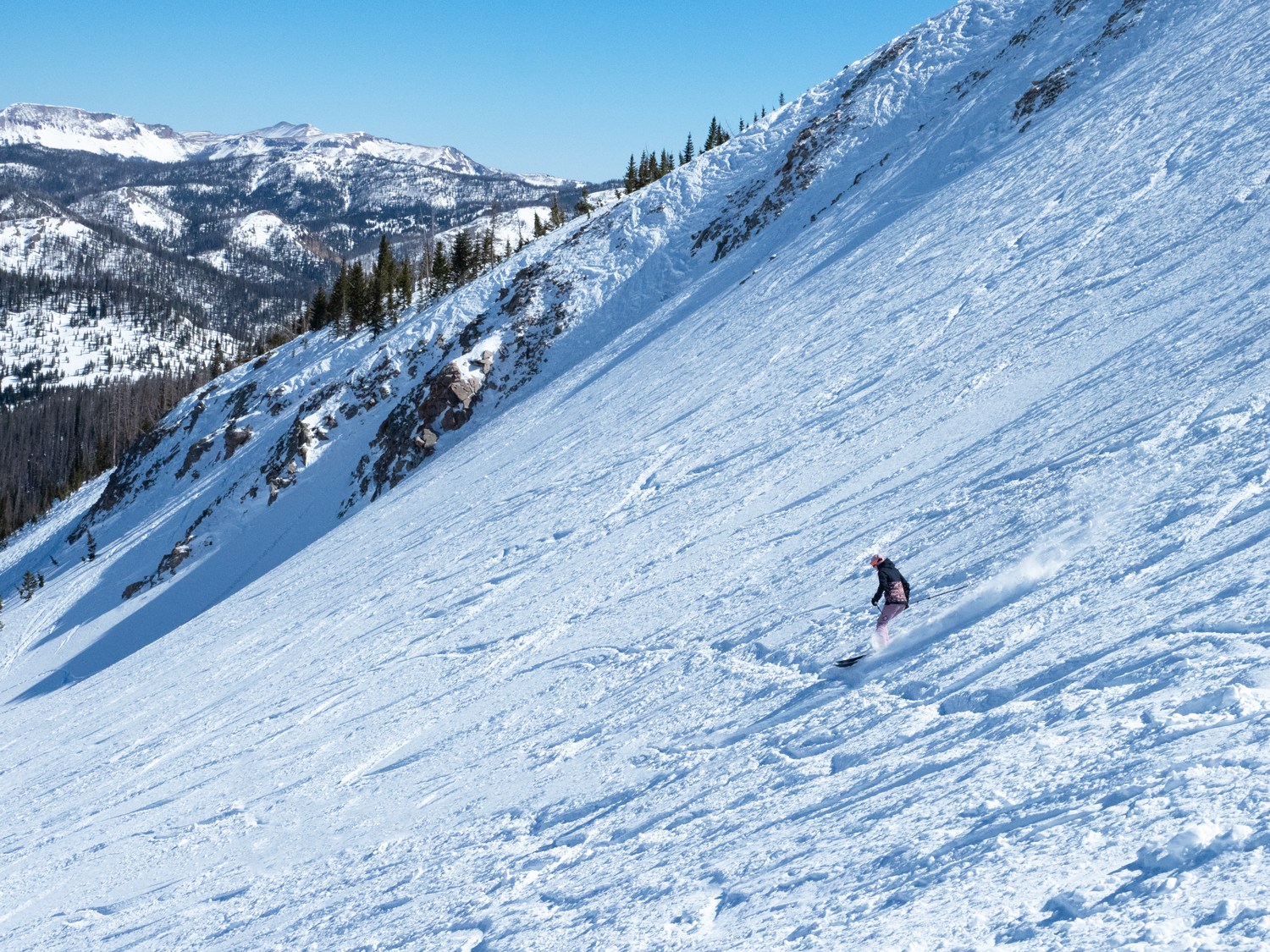
Expert skiers might be the group most likely to underestimate Wolf Creek. There’s no enormous Taos style wall staring you in the face from the parking lot. The challenge is scattered across the mountain, and your job is figuring out how to connect it.
Alberta Face gives you one hit. Waterfall adds another. Farther along the upper mountain, terrain such as Montezuma Bowl, The Pitch, Step Bowl, Knife Ridge, Coyote Park, Keith’s Glades, Alberta Peak and Horseshoe Bowl starts turning Wolf Creek into something completely different.
You may not get one enormous expert descent. Instead, you build your own by connecting a steep pitch into a glade, finding the next rollover and following the terrain until another opportunity appears.
The mountain gives you the pieces. You figure out how to put them together.
Once you start exploring Wolf Creek’s hike to terrain, the mountain changes again. Jaime and I were both shocked by how wild it felt once we left the lifts behind.
At plenty of resorts, hike to terrain still feels like resort skiing. There’s an obvious bootpack, people everywhere and a pretty clear idea of where everyone is going. Wolf Creek felt different. The farther we went, the more the lifts disappeared behind us and the fewer people we saw.
It began to feel like we were heading toward something uncharted. Not literally uncharted, but that was the feeling.
It honestly felt like inbounds backcountry.
Knife Ridge: My Most Embarrassing Moment
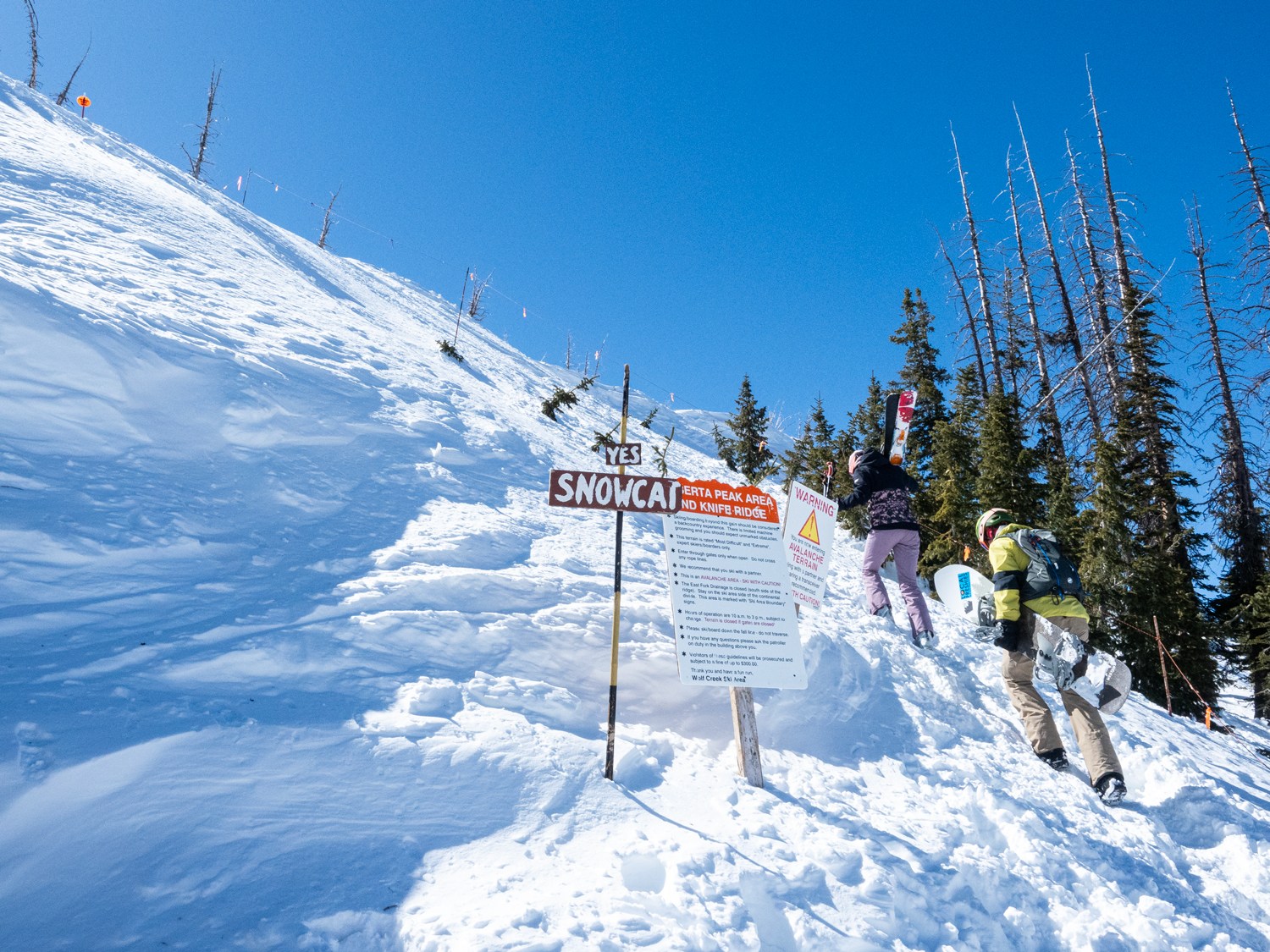
If there’s one experience that captures how wild Wolf Creek can feel, it’s the hike to access Knife Ridge. In my case, it also produced one of the more embarrassing moments of my skiing life.
From the top of the Alberta Lift, you start climbing toward the ridgeline. As we passed the ski patrol shack, the ridge began narrowing until we eventually reached the part Jaime had been looking forward to: the staircase.
Wolf Creek has literally built a metal staircase into the rock to help skiers and snowboarders access Knife Ridge. Jaime thought the whole thing was AWESOME.
I have what you might generously call a complicated relationship with heights. And by complicated, I mean my brain can turn a perfectly reasonable situation into an impending disaster with impressive speed.
What Have I Gotten Myself Into?
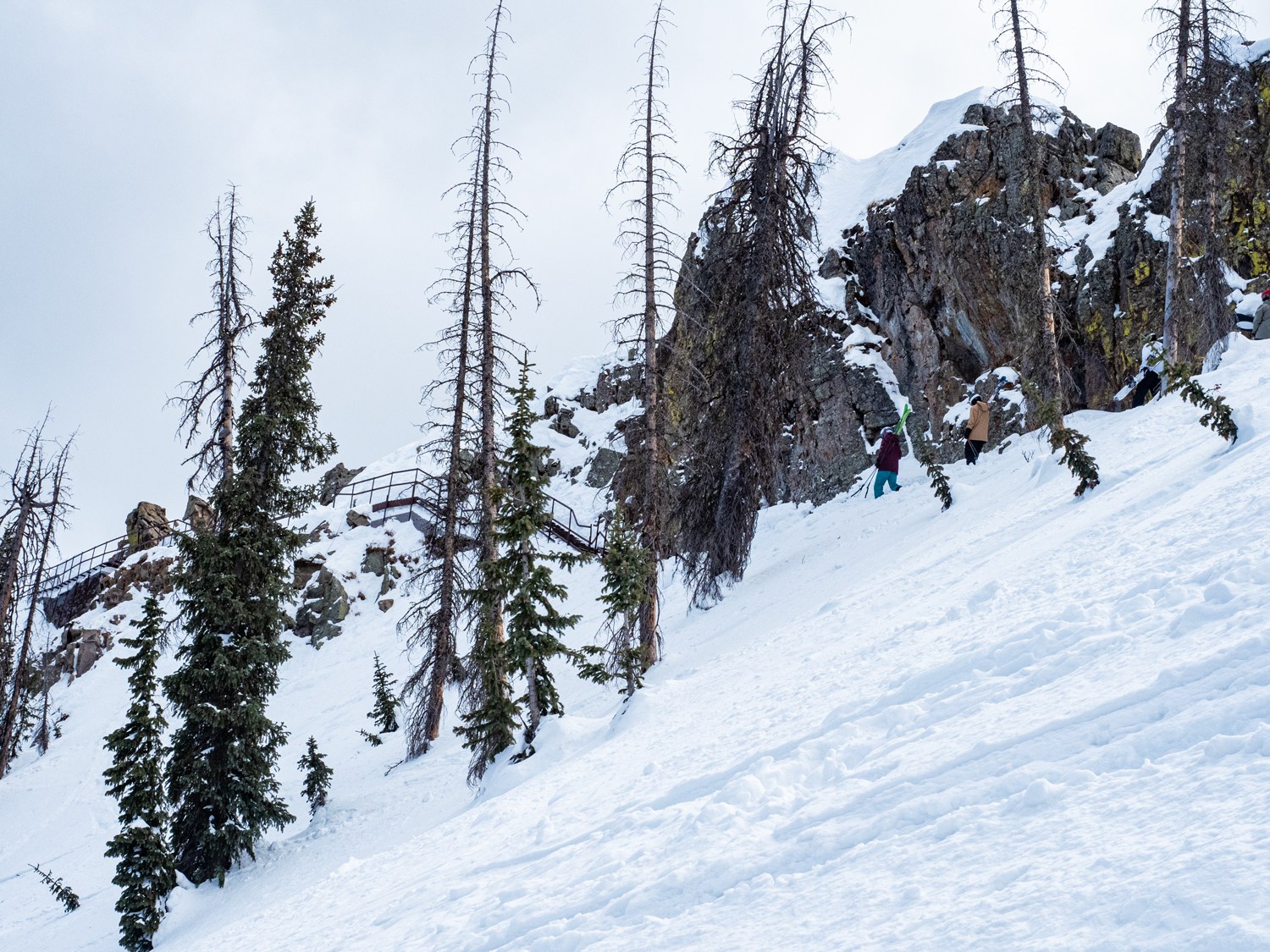
The metal staircase was already enough to get my imagination going. Then it transitioned onto a bridge spanning a gap in the ridge, and every step made this metallic ting… ting… ting that immediately reminded me of the spaceship in Aliens.
Perfect. Now I wasn’t simply imagining myself falling off a mountain. My completely rational brain had also decided there was probably an Alien crawling up the staircase behind me, so I couldn’t look down and apparently couldn’t look behind me either.
Jaime, meanwhile, was having a GREAT time.
We crossed the bridge, climbed another section and eventually reached the top. Then the guardrails ended and the ridge in front of me was probably six feet wide.
Six feet is plenty of room when you’re standing in your living room. Up there, it felt microscopic. On one side, the slope dropped away so steeply I couldn’t even see where it ended. On the other, I could look down what felt like hundreds of feet at skiers who had simply ridden the lift and were now happily cruising around below us.
Or at least that’s what my terrified brain was telling me.
Suddenly, six feet felt about as wide as a balance beam.
Jaime kept walking. I looked down.
Bad idea.
My brain immediately delivered its professional assessment:
Absolutely not.
So I Crawled
This would be the point where the heroic version of me takes a deep breath, conquers his fear and confidently walks across Knife Ridge.
Unfortunately, that guy didn’t show up. I took a couple of steps, stopped, tried again and stopped again. Then I did the only reasonable thing my terrified brain could come up with.
I got down on all fours and started crawling.
Yep. Full grown man in ski gear, surrounded by gorgeous Southern Colorado mountains, crawling across the ridge. And fortunately, because apparently the universe wanted this moment to live forever, we got it on video.
Was it ridiculous? Absolutely. Do I regret crawling? Not even a little.
Eventually I made it across and sort of conquered my fear. Okay, maybe conquered is generous, but I got across the damn thing.
The Reward
Remember, it hadn’t snowed for several days and most of the obvious terrain had already been tracked. We’d left the lifts behind, climbed the ridge and kept going somewhere most people apparently weren’t willing to reach.
Waiting for us was some of the deepest, softest snow we’d found on the entire trip.
That powder felt REALLY good.
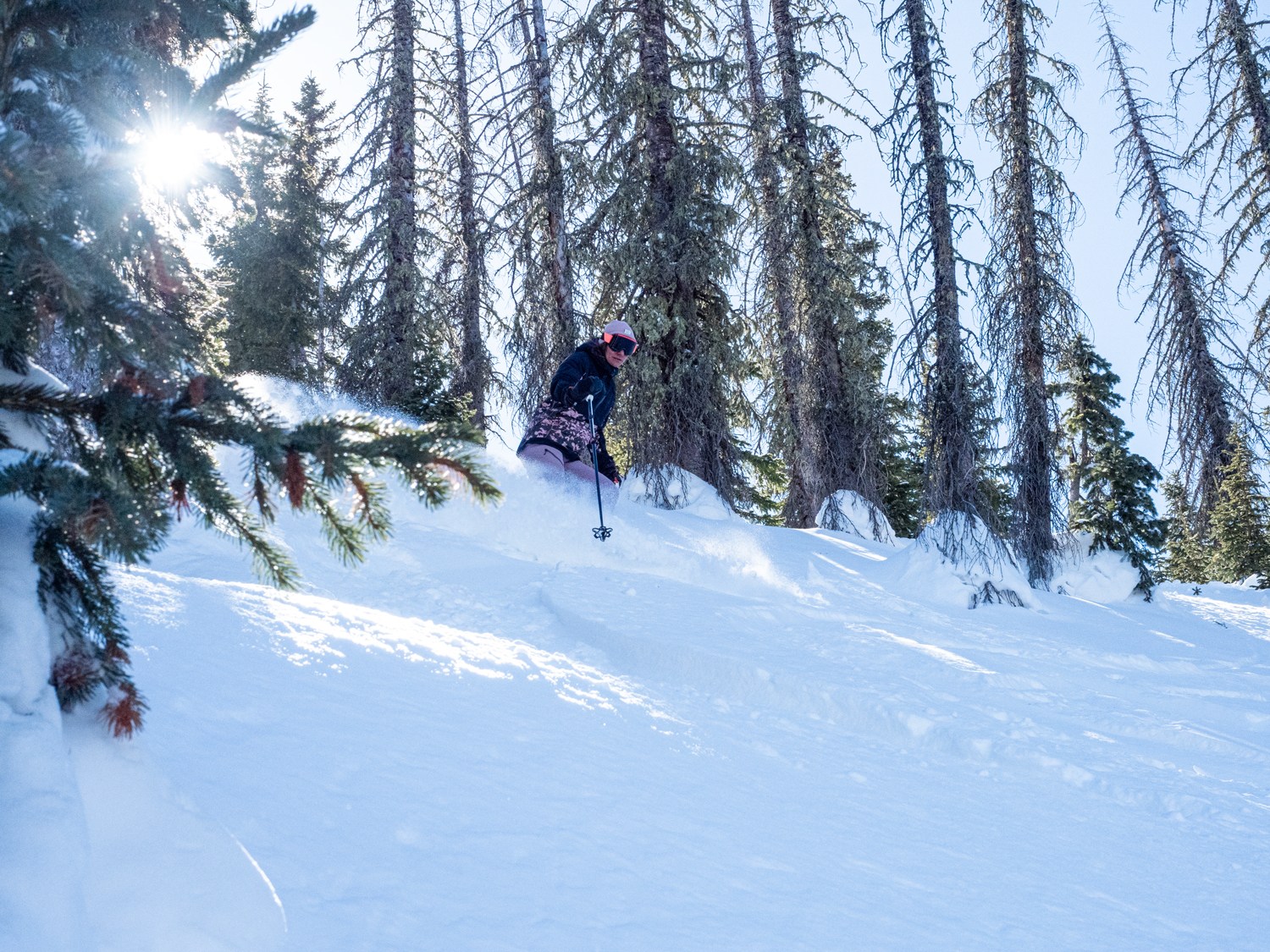
Not simply because it was untracked. We’d worked for it, and in my case I’d spent the previous several minutes fighting every irrational thought my brain could manufacture. The reward felt bigger because getting there wasn’t easy.
Jaime and I both left wanting to go farther next time. She remembers Knife Ridge as one of the coolest hike to terrain experiences she’s ever done. I remember it that way too.
I’d just prefer to experience the next one standing up.
One Wolf Creek Rule You Should Know: No Goat Tracking
As you explore Wolf Creek, you’ll notice stickers around the mountain that say No Goat Tracking. I’d never heard the term before, so I asked Erika Pitcher what it meant.
Goat tracking is when skiers and snowboarders cut traverses across a bowl, chute or face rather than using the proper entrance and skiing down the fall line. Basically, picture a goat wandering sideways across a mountainside.
Enough people doing it can turn a powder face into a mess of horizontal tracks. Worse, someone traversing can cut directly in front of a skier or snowboarder coming down from above.
The philosophy is pretty simple: If you want the goods, earn the proper entrance.
It might be the most Wolf Creek rule imaginable.
Why Wolf Creek Gets So Much Snow
Wolf Creek Ski Area’s 430 inch annual snowfall average already sounds ridiculous compared to most of Colorado, but the surrounding mountains can take things to another level.
At Wolf Creek Pass, annual snowfall averages nearly 400 inches and some seasons have exceeded 600 inches.
Then there’s this: Wolf Creek Pass holds Colorado’s all time snow depth record at 251 inches, measured on March 31, 1979.
That’s nearly 21 FEET of snow sitting on the ground at once.
And we’re not talking about freshly fallen fluff before it gets a chance to settle. Snow depth is the accumulated snowpack on the ground after months of snowfall, settling and compaction.
Twenty one feet of settled snowpack.
If you really want a number that makes your head hurt, historical records list 837.5 inches of snowfall at Wolf Creek Pass during the 1978 to 1979 winter. That’s nearly 70 FEET of snow in one season.
Now the whole “Snowiest Ski Area in Colorado” flyer I grabbed back in 1992 starts making a little more sense.
Location Matters. A LOT.
Wolf Creek sits high in the Southern San Juans near the Continental Divide. When moisture arrives from the south and southwest, the mountains force that air upward, cooling it and squeezing out snow.
That’s when Wolf Creek can get absolutely hammered. The problem is that the same geography doesn’t favor every storm direction equally.
Feast or Famine
Wolf Creek is a snow magnet when the pattern lines up correctly. When it doesn’t, things can get surprisingly quiet.
That means the 430 inch average doesn’t arrive in perfectly spaced refreshes all winter. Southwest storm tracks can bury the Southern San Juans while storms coming from farther north favor completely different parts of Colorado.
Wolf Creek can feast. And Wolf Creek can famine.
That volatility is one of the most important things to understand before planning a trip. Fortunately, once snow does arrive, Wolf Creek has some help holding onto it.
The combination of high elevation, favorable exposures and relatively low skier density can preserve snow surprisingly well. We experienced that firsthand. It hadn’t snowed for several days, yet we still kept finding soft snow and untouched pockets.
Wolf Creek was holding onto what it had.
When to Ski Wolf Creek

With 430 inches of average snowfall, you might assume there’s no wrong time to visit. That’s not quite how Wolf Creek works.
When we’d go depends heavily on what kind of Wolf Creek experience we’re chasing.
Want Real Snow Early? Keep Wolf Creek on Your Radar
If the thought of spending November skiing a narrow strip of manmade snow surrounded by brown mountains doesn’t exactly scream winter, Wolf Creek should be one of the first places you start watching.
Its high elevation and ability to catch early storms can allow Wolf Creek to open surprisingly early, sometimes even in October. In good early seasons, we’re not talking about one token white ribbon either.
That’s why Wolf Creek consistently makes our list of the best places to ski in November.
But there’s an important distinction:
Early Wolf Creek and full Wolf Creek aren’t necessarily the same thing.
Chasing the Steeps? Be Patient
Those cliffs, gullies, glades and upper mountain entrances need coverage. You might score fantastic natural snow in November, but if your entire reason for visiting is Knife Ridge, Waterfall, Alberta Peak and the steeper pieces of the mountain, we wouldn’t assume everything will be ready.
If steep terrain is your priority, February starts looking considerably more appealing. By then the snowpack has had time to fill things in and more of Wolf Creek’s serious terrain has a chance to come into play.
If We Had to Pick One Month? March
If someone told us we could make one Wolf Creek trip all winter and had to book it months ahead, we’d probably lean toward March. Not because March guarantees powder. Nothing at Wolf Creek guarantees powder.
Historically, March gives you a strong combination of seasonal coverage and snowfall. Wolf Creek also starts at 10,300 feet and climbs to nearly 12,000 feet, so winter can hang on surprisingly well even as lower elevations begin thinking about spring.
Our timing advice is pretty simple. Want natural snow early? Watch October and November. Want deeper coverage for the steeps? Think February.
If you’re booking one trip well in advance, March is probably the smart money. If your schedule is flexible, though, watch the storms and go when Wolf Creek gets targeted.
Getting to Wolf Creek: Out of the Way Is Part of the Appeal
Remember when I said I’d wanted to ski Wolf Creek since 1992 but somehow never made it there? There’s a reason. Wolf Creek isn’t really on the way to anywhere.
There’s no slopeside village or giant hotel complex sitting beneath the lifts. Wolf Creek sits on Highway 160 between South Fork and Pagosa Springs, and for years it simply required more effort to reach than the ski destinations I naturally gravitated toward.
Now that we’ve finally been there, I’m not sure that’s entirely a bad thing.
Being out of the way is probably helping Wolf Creek stay Wolf Creek.
South Fork is about 18 miles from the ski area, while Pagosa Springs is about 23 miles away. The mileage difference isn’t huge, but which side of the pass you stay on can change the character of the trip quite a bit.
Wolf Creek Pass Deserves Respect
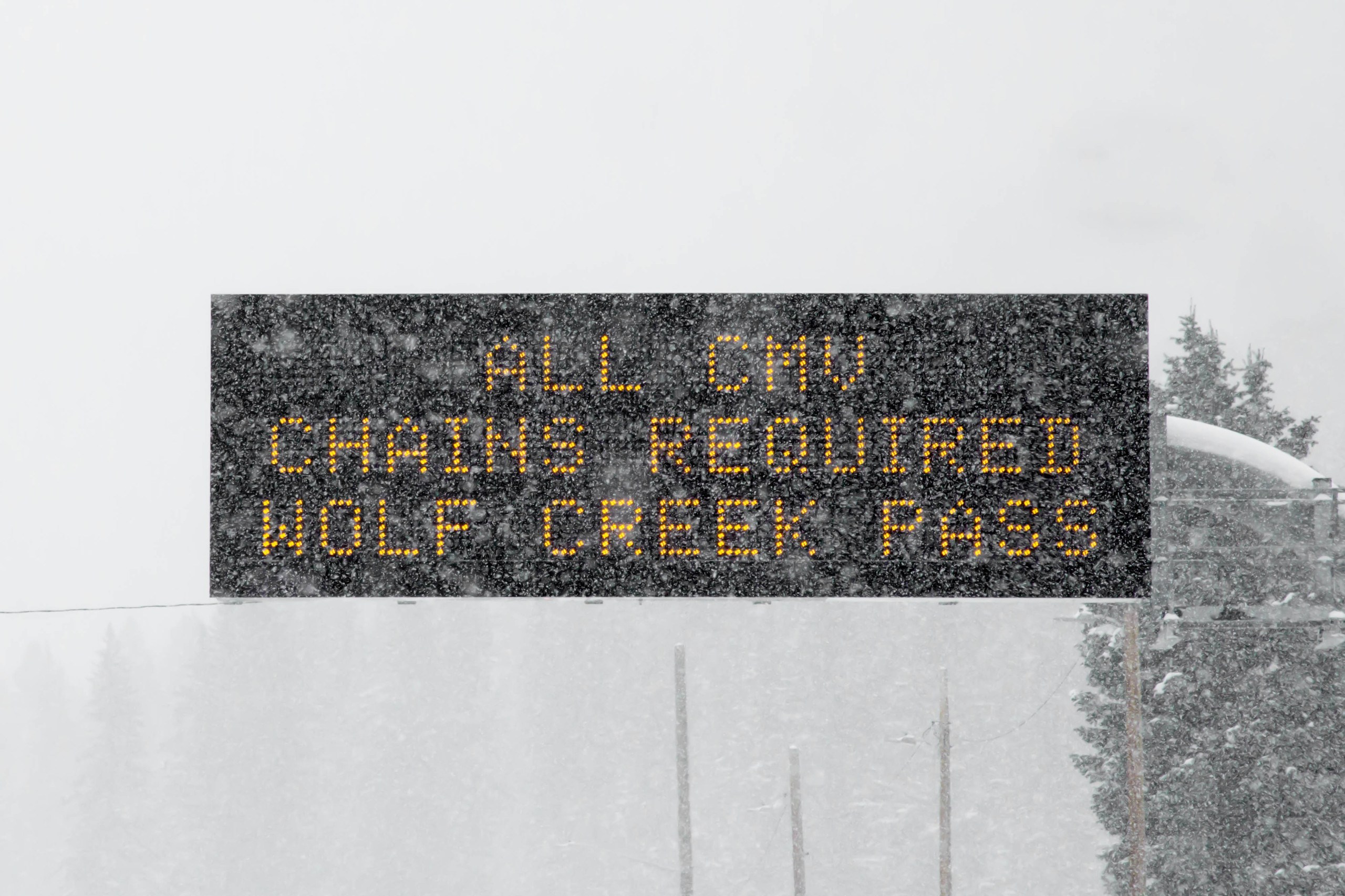
If you stay in Pagosa Springs, Wolf Creek Pass sits between you and the ski area every morning. On a normal winter day, it’s simply the road to the mountain. During a major storm, it deserves your attention.
This isn’t just a road that gets snowy. There are legitimate avalanche paths above it, particularly on the west side toward Pagosa Springs.
When avalanche danger gets high enough, the highway can close while crews perform mitigation work above the road. So when we say check COTrip before leaving Pagosa Springs during a storm, we mean it.
If Wolf Creek is getting absolutely HAMMERED, that’s obviously great news for your ski day.
Just make sure you can actually get there.
There’s also a practical argument for South Fork when a major storm is rolling in. Most avalanche mitigation on Wolf Creek Pass occurs on the west side, so approaching from the east can occasionally simplify access when the Pagosa side is temporarily closed.
Parking Is Refreshingly Simple
Once you arrive, things get considerably easier. Parking is free. You pull in, someone points you toward a spot, grab your gear and go skiing.
If you end up in one of the lower lots, Wolf Creek runs complimentary shuttles back toward the base. Pretty refreshing these days.
If you’re traveling in a camper, van or oversized vehicle, check Wolf Creek’s current overnight parking rules before assuming you can simply sleep in the regular lots.
What to Eat at Wolf Creek Ski Area
Before we talk about Pagosa Springs or South Fork, let’s be clear about one thing: this is food at the ski area itself.
Wolf Creek may not have a slopeside village, but there are several places around the mountain where you can grab breakfast, lunch, coffee or a drink without leaving the ski area. Like pretty much everything else here, it’s refreshingly unpretentious.
Continental Espresso Bar: A Little Taste of the Alps

If there’s one stop we’d tell everyone to make, it’s the Continental Espresso Bar.
Walking into it after being outside all morning felt like stepping through some strange portal from Southern Colorado into the Alps. There’s concrete, big wooden beams and windows looking out across the mountains. Then someone hands you a cappuccino at nearly 12,000 feet.
This place is awesome.
Jaime still talks about that cappuccino. Somehow when we talk about Wolf Creek, this tiny coffee stop comes up almost as quickly as Knife Ridge. That probably tells you everything.
If our goal were maximizing ski time, we wouldn’t build the day around a long lunch. Wolf Creek has several places where you can grab something quickly and get moving again.
One especially useful option is the Alberta Grill. If you’re already exploring that side of the mountain, you don’t need to ski all the way back to the main base just because you’re hungry.
Or bring your own lunch. Wolf Creek has indoor picnic space where you can warm up and eat without being forced to buy resort food.
That shouldn’t feel unusual, but at a modern ski resort, it kind of does.
Where to Stay: South Fork or Pagosa Springs?
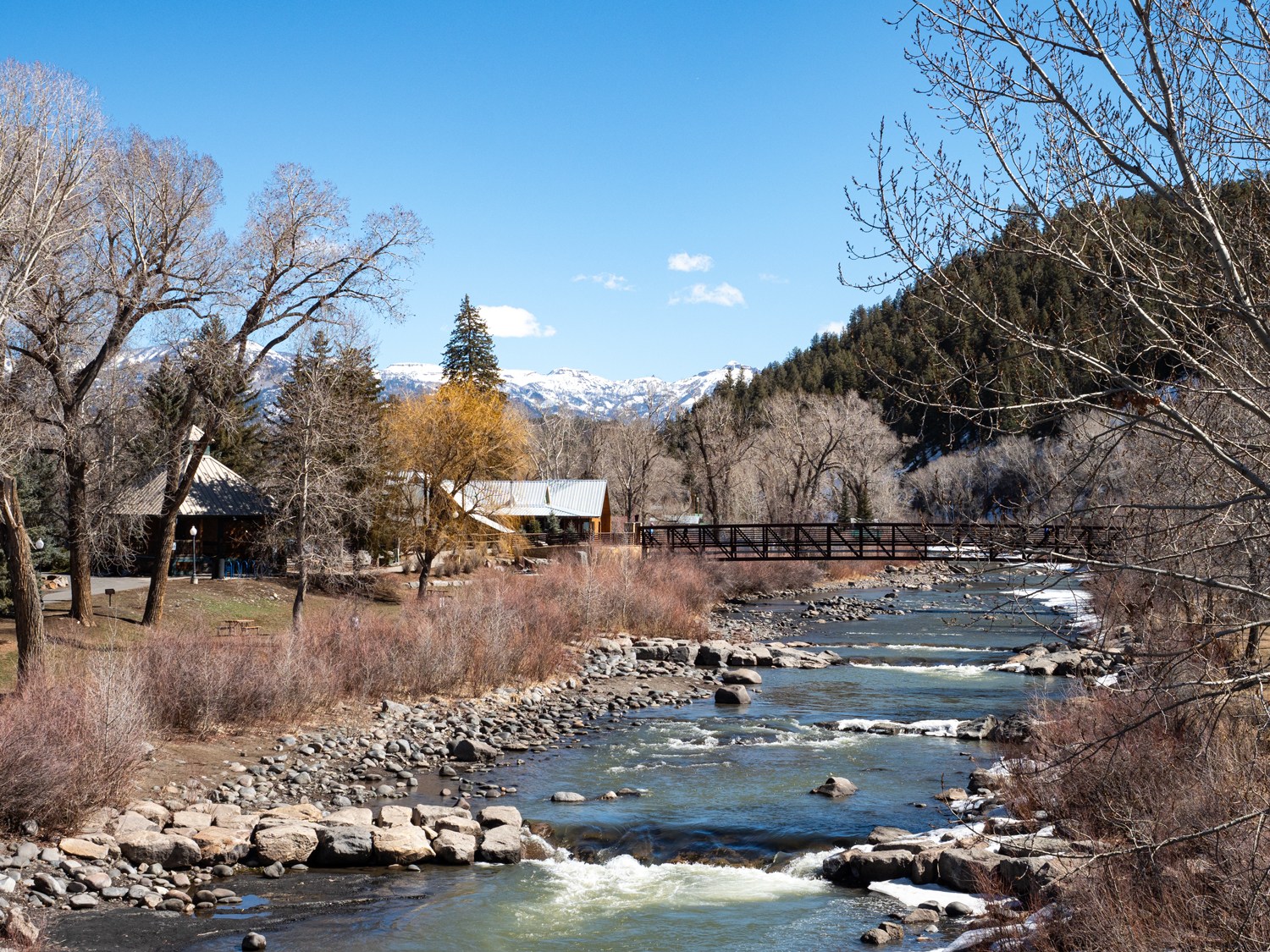
Since there’s no lodging at Wolf Creek Ski Area, your trip basically comes down to staying east of the pass in South Fork or west of it in Pagosa Springs.
They aren’t dramatically different distances from Wolf Creek, but they create two very different trips.
South Fork: If Skiing Is the Mission
If we were watching a storm hammer Wolf Creek and our only objective was powder turns, we’d seriously consider South Fork.
You’re slightly closer to the mountain and approaching from the east side of the pass. During a major storm, that can be another advantage because most avalanche mitigation happens on the Pagosa side.
South Fork doesn’t offer the same overall vacation experience as Pagosa Springs, but that’s not really why you’re staying there. Wake up. Check the snow report. Ski. Eat. Sleep. Repeat.
For a pure powder mission, there’s something pretty appealing about that simplicity.
Pagosa Springs: If You Want the Whole Trip
If we were planning our Wolf Creek trip again, though, we’d stay in Pagosa Springs. And Jaime might vote for it even faster than I would.
Wolf Creek surprised her, but Pagosa Springs was a huge part of why the entire trip worked so well. We could ski all day, return to an actual little mountain town, grab dinner, wander around, and most importantly, soak in natural hot springs.
Jaime described Wolf Creek and Pagosa Springs as “the whole package.”
It also gave the trip something our ski travels don’t always leave enough room for: time to slow down. We skied, soaked, ate and wandered around town without feeling like we needed to cram another adventure into the day. Then we woke up and did it again.
Why We Stayed at Healing Waters
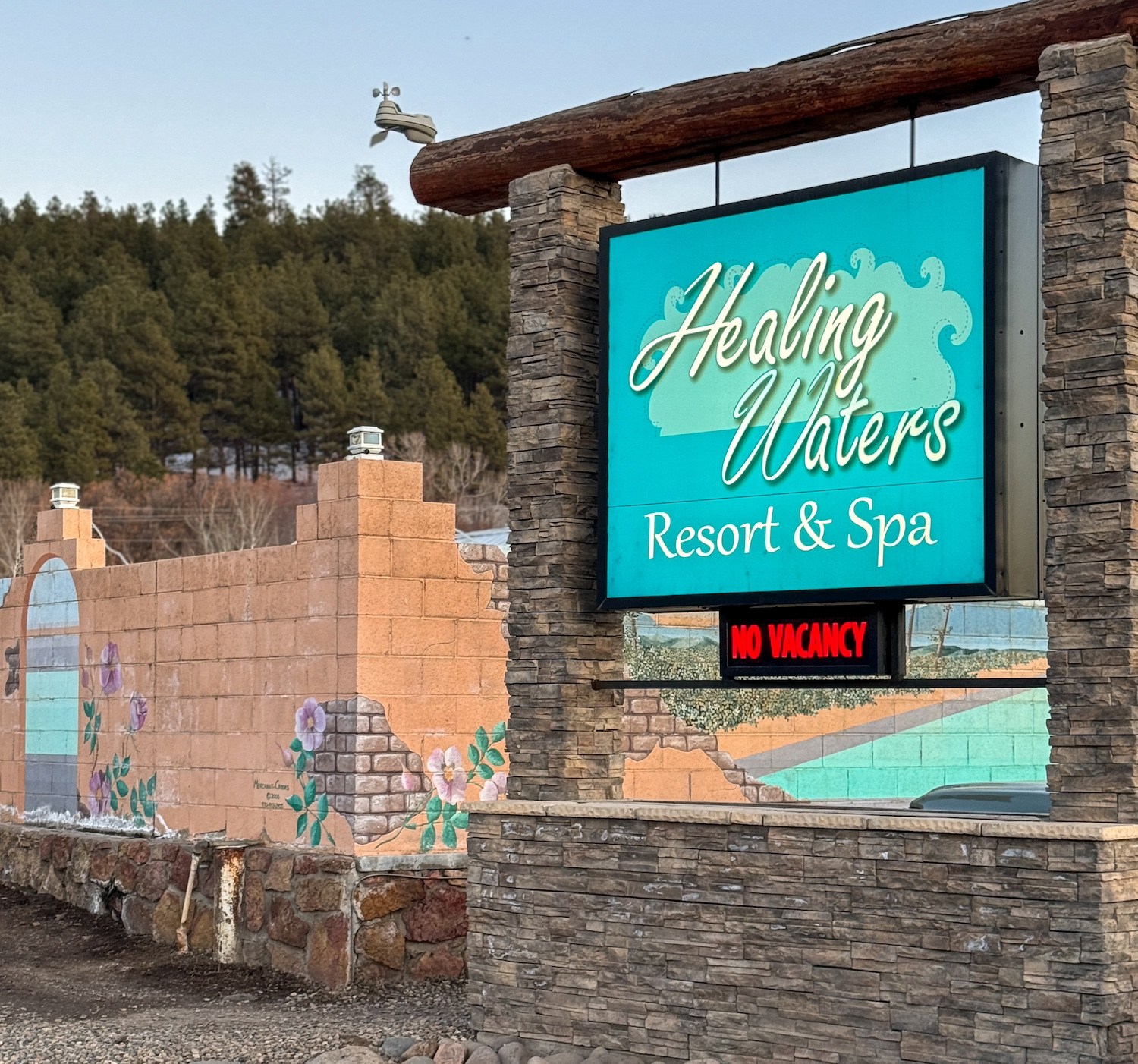
A local friend recommended Healing Waters Resort & Spa, directly across from the much larger Springs Resort.
It ended up being exactly our speed. Nothing fancy. Big, clean rooms, easy parking, walkable to downtown and, most importantly for Jaime, its own hot springs.
She didn’t need the fancy resort experience. She wanted somewhere comfortable where we could walk into town and soak without turning the whole thing into an event. After spending all day skiing, walking out of your room and dropping into hot mineral water is pretty darn hard to beat.
We’re deliberately not turning this Wolf Creek guide into a Pagosa Springs restaurant directory. That deserves its own article. For this trip, the important part is simply that you can finish skiing, head back into town, grab dinner and soak the day out of your legs.
If the ski day is everything, stay in South Fork. If you want the complete Wolf Creek trip, stay in Pagosa Springs.
Next time? We’re staying in Pagosa. And probably at Healing Waters again.
Is Wolf Creek Worth the Trip?
I waited almost 30 years to finally ski Wolf Creek. After building it up in my head for that long, it would’ve been pretty easy for the place to disappoint me.
It didn’t. Maybe even more telling, Jaime arrived wondering whether she really wanted to ski Colorado at all and left talking about when we could come back.
Wolf Creek isn’t the biggest mountain. It doesn’t have endless vertical, and some of its best terrain requires figuring out where the heck you’re going.
That’s exactly why we loved it.
We found powder days after the storm, wandered toward terrain that felt almost uncharted, drank cappuccinos near 12,000 feet and, yes, one of us crawled across Knife Ridge while the other thought it was hilarious.
By the end of the trip, I wasn’t thinking about that flyer I picked up in 1992 anymore. I was thinking about all the parts of Wolf Creek we still hadn’t figured out.
That’s why we need to come back.