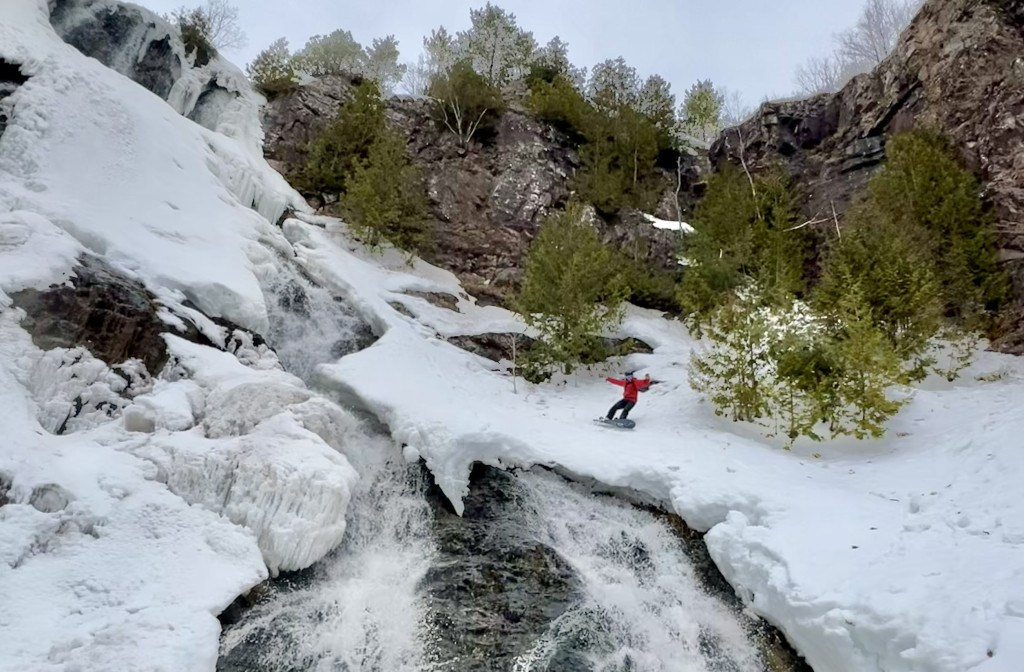
They say a photo’s worth a thousand words, but without context those words don’t say much. I first saw this shot of Andrew Ranville laying down turns next to Michigan’s biggest waterfall while scrolling online, and yeah, it looked sick. But I had no clue what went into it. Turns out that moment wasn’t luck. It was the result of a whole chain of decisions, a passionate community of snow shredders, conditions lining up just right, and a lot of effort behind the scenes. It wasn’t until I connected with Andrew and heard the story firsthand that it all clicked. This wasn’t just a cool image. It was something worth digging into. And here’s his story and how we got to this moment.
From Michigan to the UK and Back
To understand how Andrew even realized this line was possible, you have to rewind a bit. Andrew Ranville grew up in Michigan’s Lower Peninsula, riding at spots like Treetops Resort, but eventually left to explore beyond the Midwest. That path took him overseas to London, where he attended graduate school for art and later maintained his own studio for several years. During that time, he also traveled frequently for international exhibitions and creative opportunities. Even then, he kept coming back to Michigan, especially the Upper Peninsula in the summer, slowly building a connection with the remote Keweenaw.
Conservation Work and Rabbit Island
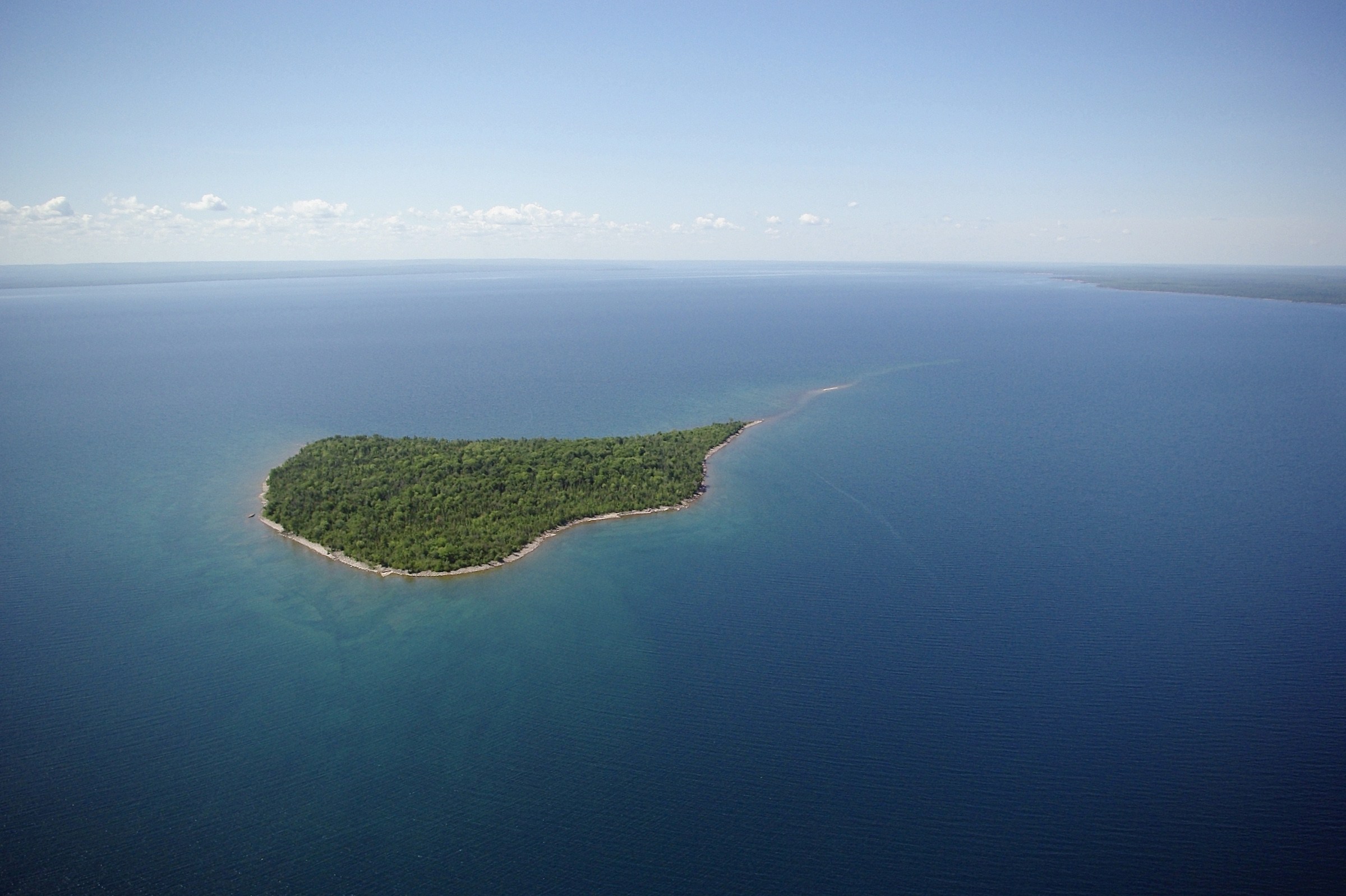
By 2011/2012, he made the move back for good. His time in London inspired him to co-found the Rabbit Island Foundation, a hub for conservation, art, and science, and help create Kin Ship, a community space in Calumet. He also worked with the Keweenaw Community Foundation, which led to his involvement with KORC (Keweenaw Outdoor Recreation Coalition). This involvement helped protect more than 32,000 acres of land that was tied to former copper mining and outside investment.
Finding the Backcountry in Michigan
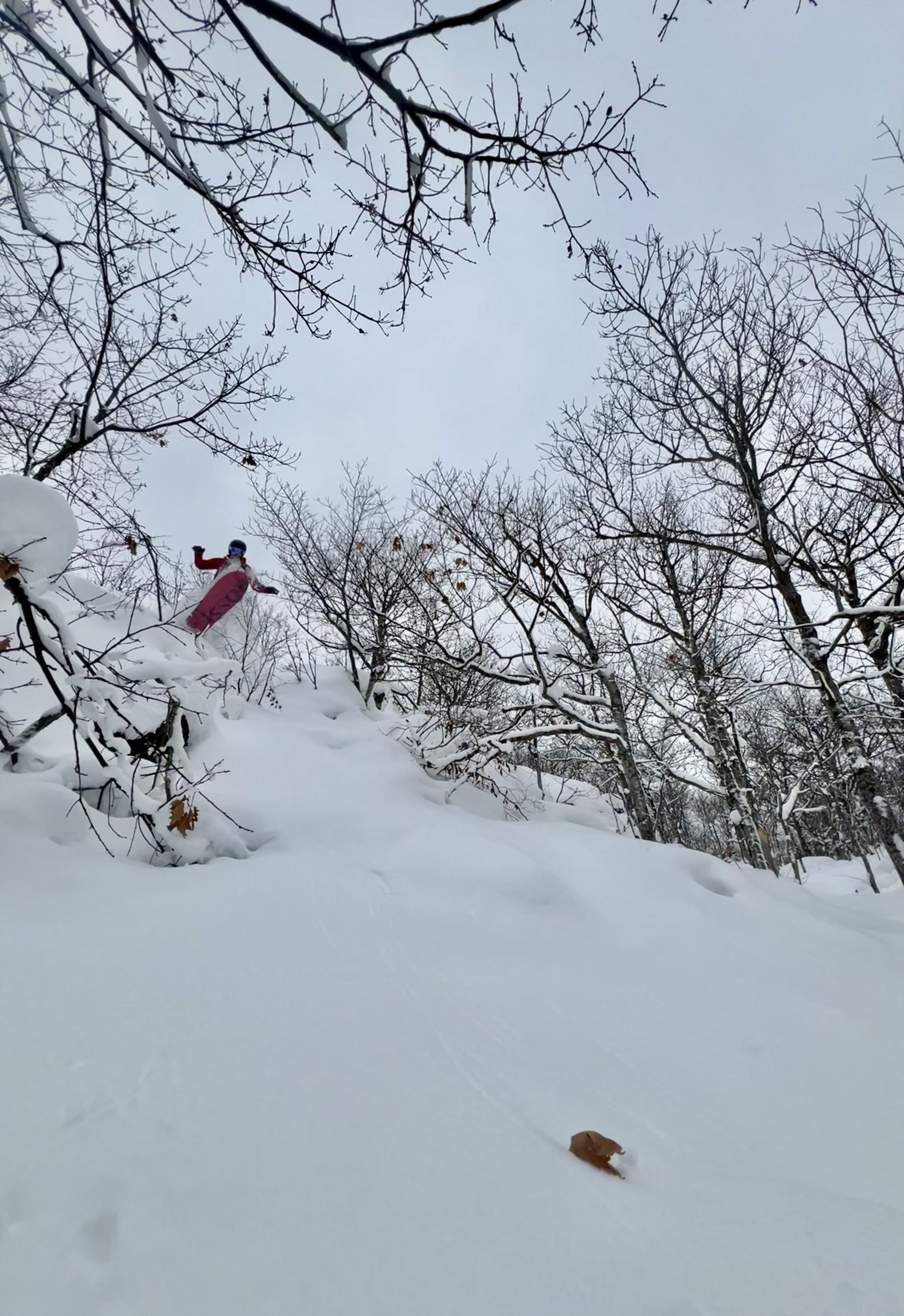
Through that work, Andrew developed a deep, almost personal relationship with the Keweenaw. Along the way, he connected with others who shared that same energy, like Aaron Peterson and photographer Chris Guibert. Chasing Chris around Mount Bohemia, like so many riders before him, is where it all clicked. That’s when the shift happened from riding lifts to earning turns. He started touring on snowshoes, then eventually moved to a splitboard.
An Underrated Ski Culture
Michigan isn’t the first place people think of for backcountry skiing, but the culture is there if you know where to look. It’s a bit like how the underground surf scene was at Mavericks before 1990. There’s a tight-knit group of riders who’ve been putting in the work for years, even decades. People like Steve Rowe and Mike Dzobiak, who were exploring and skiing lines around Bohemia long before it ever became a destination.
Seeing Waterfalls as Terrain
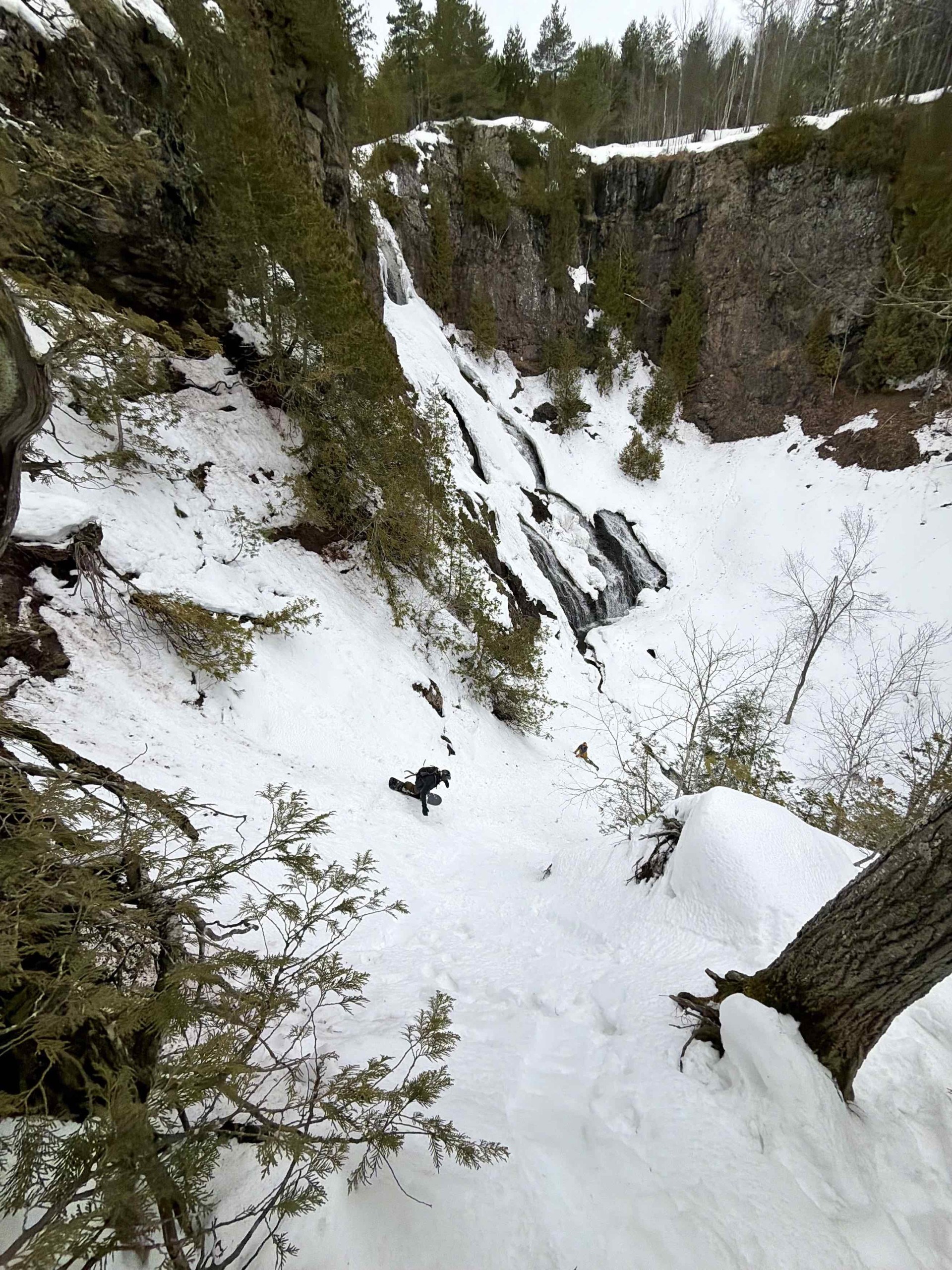
As any backcountry skier knows, you start to see terrain differently. Andrew was always on the hunt for something new, something that hadn’t really been done before, and waterfalls quickly stood out. Of course, it’s not just about what you see in winter. Knowing what’s underneath the snowpack is everything. While hiking in the off-season, he started noticing that with the right snow year, some of these lines next to waterfalls might actually go.
The Winter Everything Lined Up
Then the 2025/2026 season hit. It wasn’t just a big winter. It was the kind of season people talk about for years. Snow came early and stayed consistent. By the second week of December, they were already riding powder, and it just kept stacking. Even when warmer temps rolled through, any crust or ice layers were quickly buried under fresh snow.
Michigan’s Biggest Falls Comes Into Play
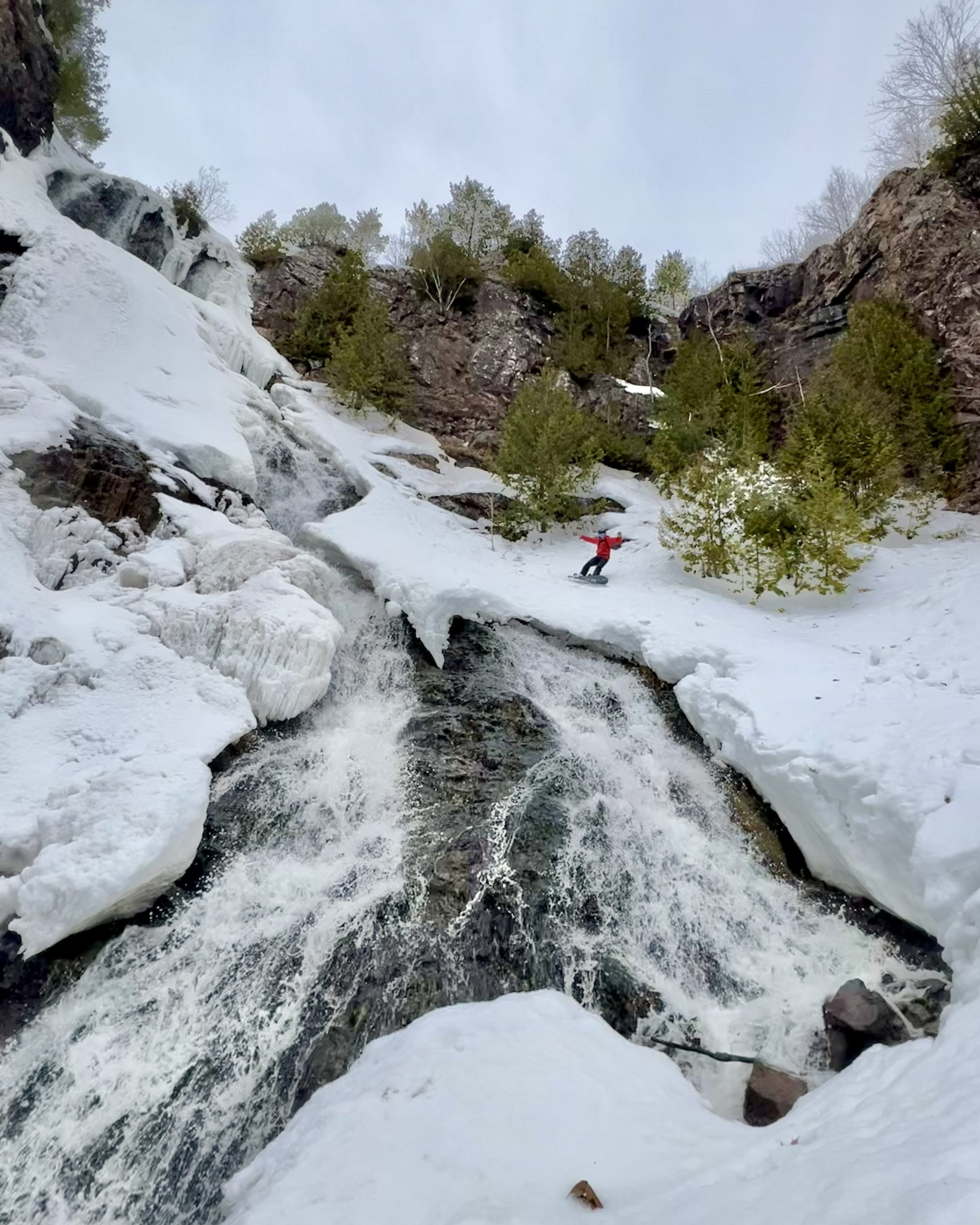
Suddenly, lines they’d been eyeing for years came into play. Tight couloirs, steep shots, and of course, the waterfalls. One stood out more than anything else, Houghton-Douglass Falls, the tallest waterfall in Michigan, dropping 110 feet down a volcanic cliff near Lake Superior.
It wasn’t something you just send. Conditions had to be right. So they scoped it the day before and found the chute filled in deep. From there, it turned into a plan. Every turn was talked through, every move considered. They decided to come back the next morning. Temps hadn’t dropped much overnight, and by the time they started, it was already above freezing. But the snowpack was massive, and everything was lining up. Andrew dropped in and cleared it perfectly. With grins and high fives, they all walked away smiling.
A Backcountry Scene Built on Effort
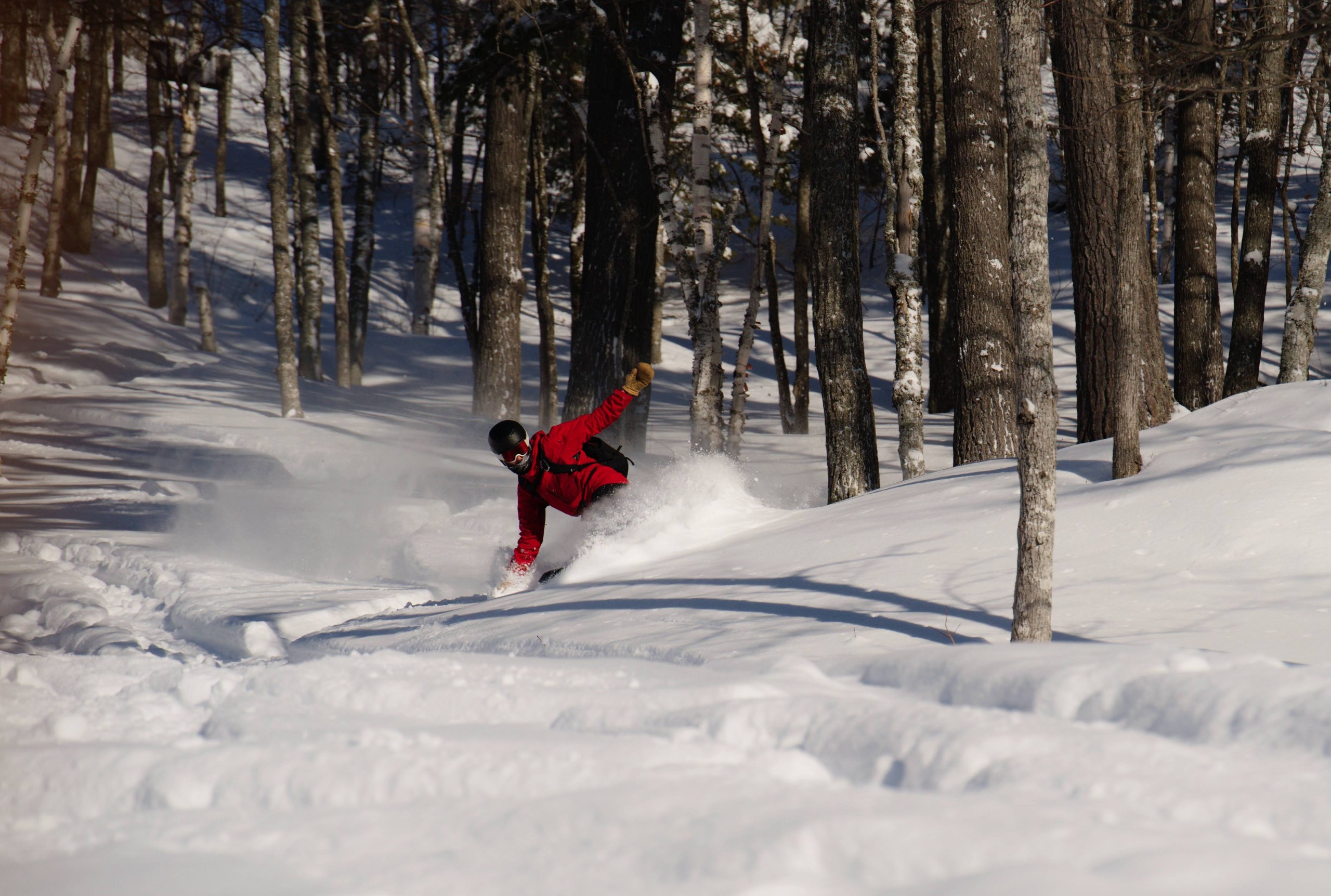
Backcountry skiing here isn’t easy, but as the film Lake Effect showed, there are plenty of rewarding lines if you’re willing to explore.
The challenge is that vegetation grows quickly in this region, so many runs only stay skiable because people actively maintain them. That work relies on the next generation stepping in to keep glades open, improve access, and occasionally help unlock new terrain. This translates beyond skiing as well.
Building a Backcountry Ski Community
For that to continue, more people need to get involved in the backcountry. To support this movement, the Michigan Backcountry Alliance was founded in 2023 as a voice for the local backcountry community.
Their goal isn’t to overrun existing zones, but to highlight what’s possible in Michigan’s own backyard and spark curiosity around becoming trail stewards, not just in well known areas but in local zones too. At the same time, they focus on teaching people how to access the backcountry safely and responsibly.
If you’re interested or want to support what they’re doing, visit their website and reach out. Membership is currently free, and they host monthly member meetings on the first Thursday of every month.
In the end, it’s not just about chasing rare waterfall lines or perfect snow conditions. It’s about learning the landscape well enough to move through it with care and curiosity. Michigan’s backcountry skiing is still being written, one season and one turn at a time, by the people willing to step into it responsibly.