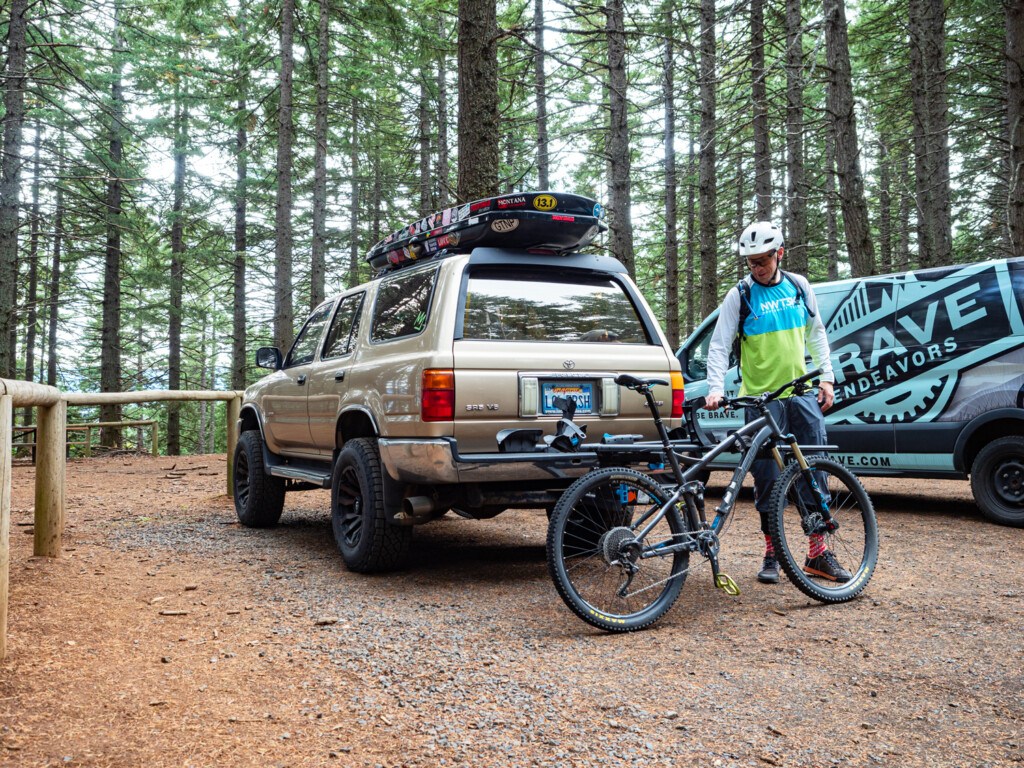
So there we were… staring at Jaime’s mountain bike. Her pedal snapped off the crank, and we were tool-less, gear-less, and totally out of luck. Fortunately, this only happened half a mile from the house, but it really knocked some sense into us. We suddenly realized mountain biking is just like backcountry skiing. You need to gear up and be prepared for the worst but shoot for the best. After our rookie realization, we reached out to our local bike shop to help create this list of eighteen mountain bike accessories to keep you prepared, whether you’re heading out for a quick spin or an all day adventure. Looking for the basic accessories every mountain bike owner should have rather than what to carry on the trail? Check out our 10 Essential Mountain Bike Accessories guide.
Must Have Mountain Bike Accessories At A Glance
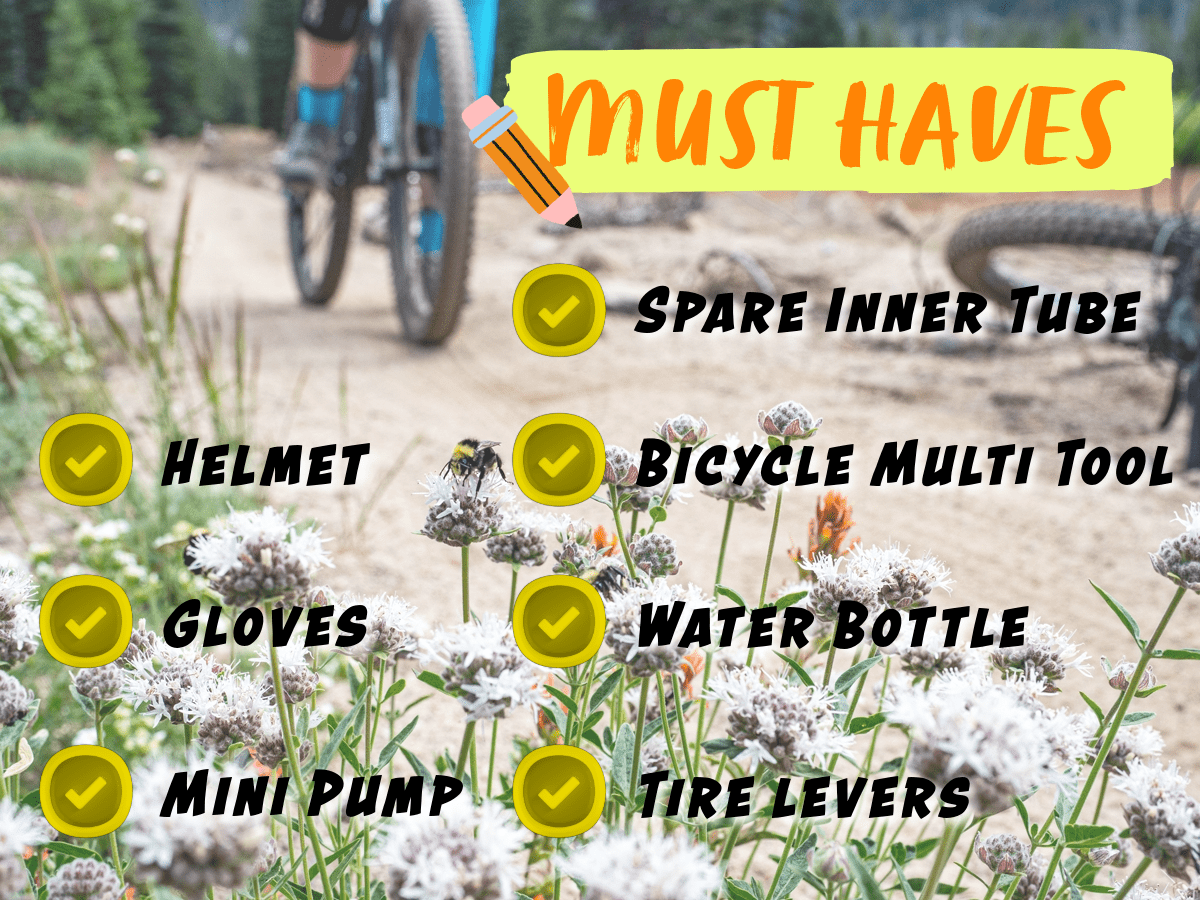
Helmet
Gloves
Mini Pump / CO2
Spare Inner Tube
Bike Multi-tool
Water Bottle
Tire Levers
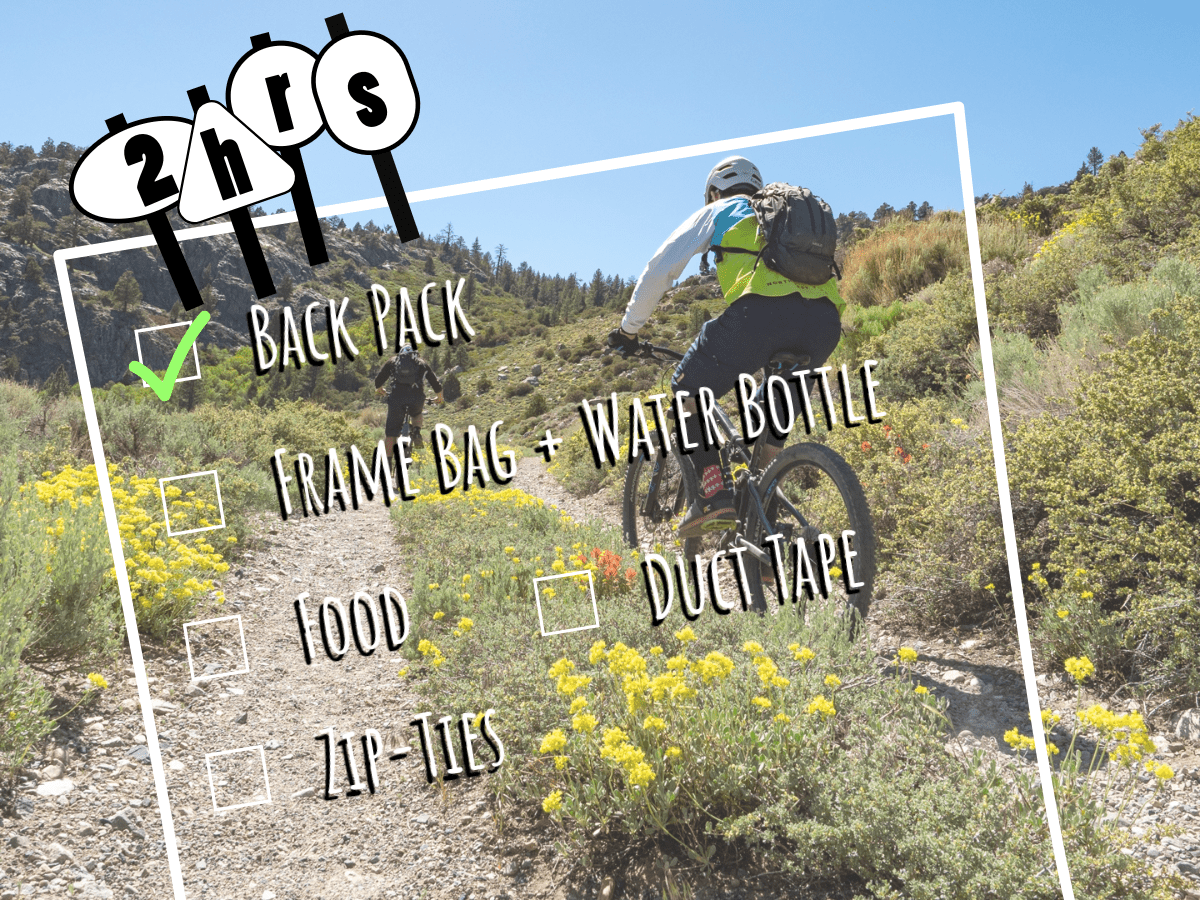
Backpack
Frame Bag or Waist Pack
Food
Zip Ties
Duct Tape
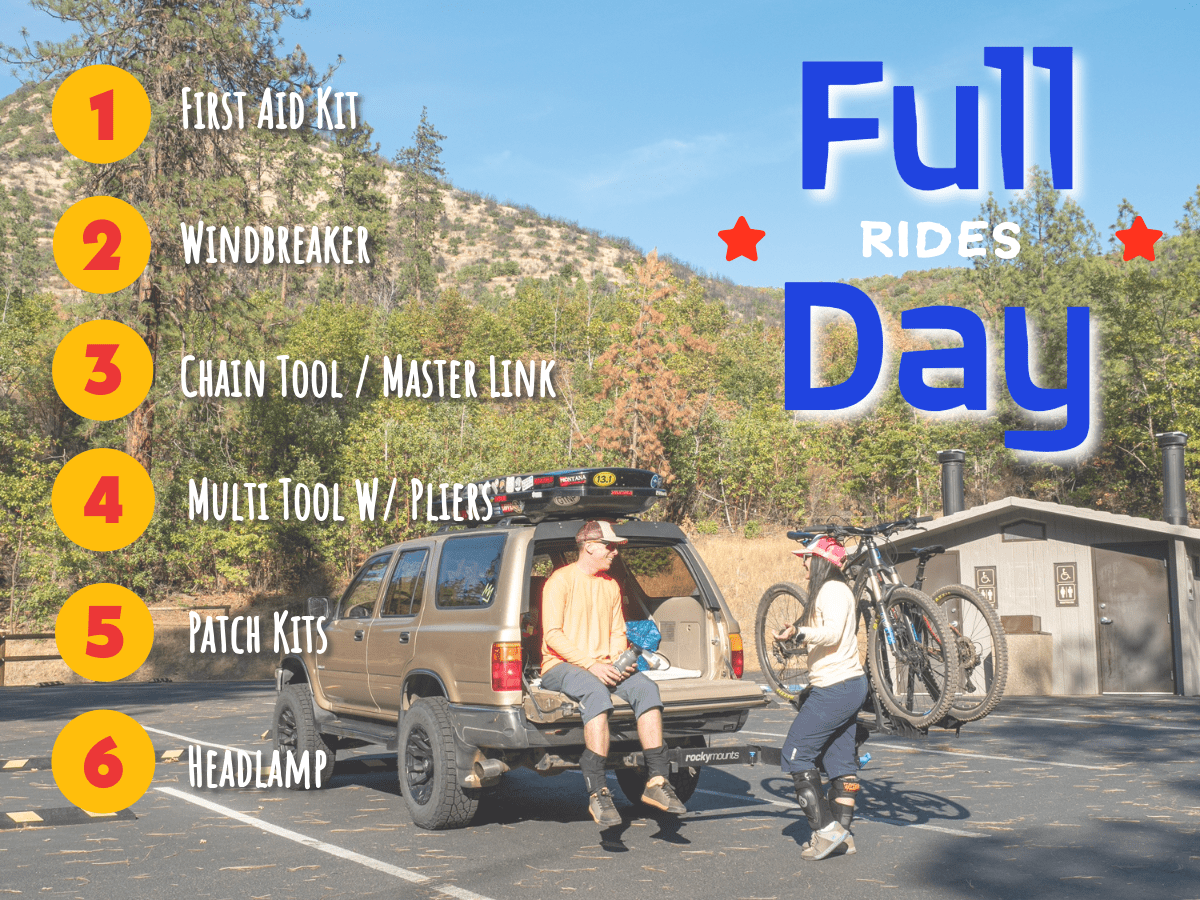
First Aid Kit
Windbreaker
Chain Tool / Master Link
Multi-tool with Pliers
Patch Kit
Headlamp
Before You Hop In The Saddle
When it comes to must-have mountain bike gear, it all starts with one simple question: how long are you planning to be out there? Based on my own experiences out on the trails, like tackling Mr. Toad’s Wild Ride in a freak summer snow storm, I’ve learned the answer to this question firsthand. A quick one-hour spin, a four-hour loop, or an all-day epic each demand a different level of prep. The longer you’re out, the more self-sufficient you need to be with your MTB accessories kit.
For shorter rides, you can keep things light and simple since fueling and extra gear aren’t as critical. But once ride time starts stacking up, so does the need to be ready for anything from flats to weather shifts to mechanical issues. The goal is always the same: pack as light as possible, but smart enough that you’re covered when things don’t go exactly as planned.
Always Carry
These next items are what we always bring regardless of length of ride.
Helmet
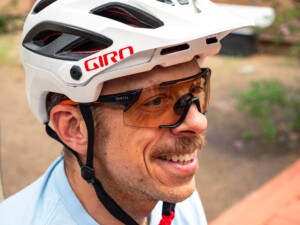
Even if you have cat like reflexes on a bike and always seem to land rubber side down, you NEED to rock a helmet. Once you head off road, there are simply too many variables, and your brain is by far the most important asset you should protect. For most trail riding, a quality mountain bike helmet is plenty, while a full face makes more sense for downhill or aggressive enduro riding.
Gloves
Just beyond the helmet, the next crucial piece of equipment we bring on every ride is a good pair of MTB Gloves. And no, they don’t need to be expensive. We’ve used Giro DND gloves for years, while Jaime switched to Fox Rangers and loves them just as much. For more options, check out our guide to the best MTB gloves.
Mini Pump / CO2 Cartridge
Flats happen. Picking a mini pump sounds easy until you realize there are MULTIPLE sizes. It’s a little like Goldilocks and the three bears. Go too small and you might be pumping forever. Go too big and you’re carrying unnecessary weight. We landed somewhere in the middle, big enough to get air into a tire quickly without weighing us down. If you’re running tubeless tires, CO2 can be another compact option.
Spare Inner Tube
Even after going tubeless, we still carry a spare tube. We sometimes ride 10 or 20 miles from the nearest road, and if a puncture is too big for sealant or a plug, that inexpensive tube can be the difference between riding out and starting a VERY long walk.
Bike Multi Tool
A LOT of the nuts and bolts on a mountain bike aren’t something you can fix with a basic screwdriver. A bike specific Multi-Tool gives you the hex keys and other tools needed for trailside adjustments when something loosens, shifts, or gets knocked out of whack.
Water Bottle
After flat repair gear, water might be the most important thing you bring. Even when the weather feels perfect, you’ll work up a sweat quickly once you start pedaling. At a minimum, bring a water bottle. For longer rides, carry more water and consider electrolytes to replace some of the sodium and other minerals you’re losing through sweat.
Tire Levers
Some mountain bike tires are almost impossible to get off the rim by hand. A small set of tire levers takes up practically no room and can keep a simple flat from turning into a hike out. Just make sure whatever you carry is strong enough for your tire and rim combination.
More Than Two Hours
Once a ride starts stretching beyond a couple of hours, the goal changes from simply fixing a flat to carrying enough gear, water, and food to keep yourself moving if things don’t go according to plan.
Backpack
We’re on the conservative side, so for longer rides we almost always bring a backpack. It keeps everything in one place so when it’s time to ride, there’s no muss and no fuss. We’ve used the Camelbak M.U.L.E. for years because it gives us enough room for water, tools, food, and an extra layer without feeling like an expedition pack.
Frame Bag or Waist Pack
Don’t like riding with something on your back? You’re definitely not alone. A lot of our friends keep the essentials on the bike itself with a small frame bag like the DaKine Gripper Bike Frame Bag or the USA made Fernhill MTB Frame Bag. We’ve become Fernhill converts ourselves for carrying repair gear. For bigger rides, a waist pack can add a little more storage or water without putting everything on your shoulders.
Food
For short rides, food usually isn’t something you need to worry about. Once you start spending more than 60 to 90 minutes in the saddle, though, your body’s readily available fuel starts running down. It’s not as simple as crushing a giant stack of pancakes before the ride and calling it good. Bring easy to eat carbs like energy chews, bars, or whatever you know sits well while riding. For a deeper dive, check out our guide to using food as fuel.
Zip Ties
Zip Ties are basically the run flat tire of mountain bike repairs. We’ve had seat droppers fail, brake line attachments snap, and all sorts of other little things break, and these tiny guys have helped hold things together long enough to get us back to civilization.
Duct Tape
And then there’s good ol’ duct tape. If something snaps, tears, or needs to stay put, a little duct tape can sometimes buy you enough time to limp home. You don’t need to carry a mountain man sized roll either. Bring a travel sized version or wrap a few feet around something already in your pack so it takes up almost no space.
Full Day & Remote Rides
Once you’re heading out for a full day or getting farther into the backcountry, away from roads and civilization, the consequences of something going wrong get a lot bigger. These are the extras we carry when walking out could mean hours instead of minutes.
First Aid Kit
Things happen, especially on longer rides. Our good friend Noel is a great cyclist, but after hours and hours of riding, he lost focus for a second and went over the handlebars on the famed Sierra Canyon Trail. Blood splurting everywhere and even a bone poking out! You can read about that experience in our article, I Fought The Mountain… And The Mountain Won. Thankfully, the First Aid Kit we had with us was invaluable. We also like carrying some extra sunscreen, especially if the trail isn’t under a forest canopy.
Windbreaker
The living might be easier in the summer, but weather can change quickly when you’re out pedaling. You don’t need a huge puffy. A lightweight windbreaker gives you just enough protection if a thunderstorm rolls in or temperatures suddenly drop. We can’t stress this enough. Keep it simple, durable, and as light as possible. And if you’re riding in the fall or early spring, dress in layers so you can adjust as temperatures change.
Chain Tool / Master Link
Your chain is one of those pieces of your bike you don’t think much about until something goes wrong. Riding over rocks, sticks, and other trail debris can damage a link. You might be able to bend it back, but with a Chain Tool and Master Link, you can remove the damaged link and get yourself rolling again. Just make sure the master link you carry is compatible with the chain on your bike. That’s something you definitely don’t want to figure out ten miles from the trailhead.
Multi Tool With Pliers
A multi-tool with pliers is one of those standard backcountry tools we like having with us, sun or snow. From pliers to a knife, it gives you options when something breaks that your normal bike multi tool can’t handle. A Leatherman or Gerber style tool folds up small and stays out of the way until you need it.
Patch Kit
Some mountain bike trails we’ve ridden are brutal on tires. Baby heads, granite shards that could filet a fish, or tight rock gardens that could pinch a copper penny. A patch kit is a good backup to your spare inner tube. They’re small, weigh next to nothing, and if you’ve already gone through your backup tube and you’re still ten miles from the car, you’ll be glad you brought one. Unlike a single spare tube, a patch kit can potentially get you through multiple flats.
Headlamp
Yet another example of us pushing the limits because we were having too much fun. Although mountain biking is typically done when the sun is shining, if you’re heading out in the afternoon or for an extended full day tour, having a headlamp is a good idea. Heaven forbid somebody gets hurt or it takes longer than expected to fix the bike. Once the sun goes down, it gets difficult pretty quickly to see what you’re doing. A small headlamp doesn’t take up much room, and you’ll be happy you brought one if the ride goes longer than planned.
Additional Items To Consider
Besides the items we’ve highlighted above, there are a few others worth considering depending on where and how you ride. On days you’re getting a bit more aggressive or riding alone, carry some form of ID and consider bringing a whistle. Terrible to think about, but anything can happen. If you were to fall into a ravine or get hurt somewhere off trail, the sound of a whistle will carry much farther and last a lot longer than your voice. And if you’re riding in bear country, bear spray may be worth carrying too depending on the area and local recommendations.
Think Small…
This list of must have mountain bike accessories may sound long, but we can actually fit everything listed in our pack or on the bike itself. Leave the floor pump and entire roll of duct tape at home. Instead, pick things that don’t take up much space and, when possible, serve multiple functions. Our windbreaker is incredibly light and squishes down to about the size of a Nalgene bottle. The extra tube and bike pump can be strapped directly to the bike, food can go in pockets or your shorts, and even bear spray can be clipped to the outside of your pack. Put a little thought into how you organize everything and you’ll be surprised how little space it actually takes.
Do You Need All 18?
Nope. That’s the whole reason we organized this list by ride length. A quick spin close to home doesn’t require the same level of preparation as an all day ride ten or twenty miles from the nearest road. Before heading out, think about:
- How close are you to the nearest road or trailhead?
- Is there cell service?
- Are you riding alone?
- Could someone reasonably get to you if something went wrong?
Your answers will tell you how much of this gear needs to come along. The farther you’re getting from civilization and the longer you’ll be out, the more self sufficient you should be. Pack smart, be responsible, keep the rubber side down, and happy riding!