


Just like all sports equipment, the more time you use it, the better it should be. If you’re only spending a day or two on the slopes each season, you can afford to go “cheap” and buy whatever goggle is on sale. But, if you’re like us spending ten, twenty, thirty, or more days a winter on the slopes, you better get the ones that fit just right! Here’s what we learned over the years on how to buy the best snowboard goggles and which models we’ve found are the best in the market.
How We Came Up With This List
When I first started snowboarding, goggle technology was decent but mainly focused on preventing fogging. Today, that problem is largely solved, and the focus has shifted to maximizing clarity. This list is based on what Jaime and I have used over the years, as well as recommendations from friends and backcountry mentors. We prioritize goggles that perform best not on sunny days, but in stormy conditions when visibility is most challenging.
Table of Contents
- How to Pick the Perfect Snowboard Goggles
- Why You Need More Than One Goggle Lens
- Smith 4D Mag – Best All Around
- Oakley Flight Deck – Best Value
- Electric EG2 – Built Tough
- Spy Marauder Elite – AI Enhanced Lens
- Dragon X2s – Best for Small Face
- Anon M6 – Winter’s Forcefield
- POC Vitrea – Swedish Precision
- Wildhorn Pipeline – Best Budget Friendly
How to Pick the Perfect Snowboard Goggles
Since then, technology and the plethora of options have exploded. Here’s some tips on how to find the best snowboard goggles for you.
Go To A Shop With A Big Selection
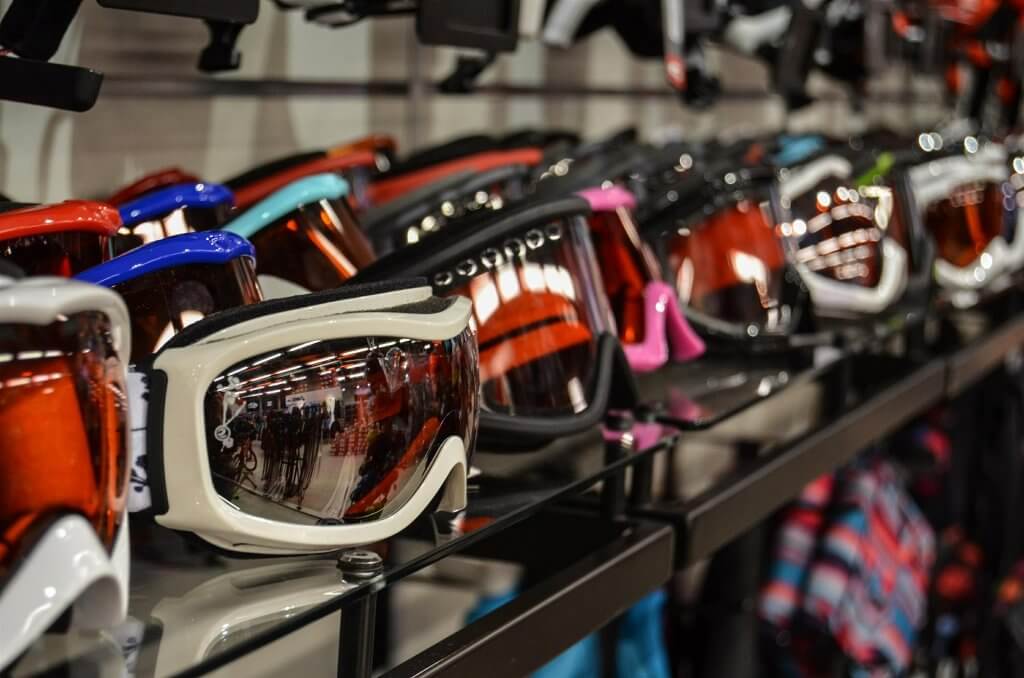
By far, the most important thing is to go to a local shop or sporting goods store like REI that has a BIG selection. If there’s only a handful of goggles, you won’t find the ones that truly fit you.
Bring The Helmet You’ll Be Riding With
If you normally ride with a helmet, be sure to bring it with you. Look at how it fits compared to the forehead brim and the sides of the helmet. Is there a gap between the top of the goggle and the helmet? Be sure that this space is as small as possible. If not, when you’re riding you’ll FEEL the cold wind smacking into your forehead. There’s nothing worse than an ice cream headache on the slopes due to that. Also make sure the goggles aren’t too wide or short for the sides of the helmet. A close, tight fit is the best.
Eyesight Is Critical
For those that wear glasses, another key item to consider is will they fit over your glasses. These models are called OTG or over-the-glasses. If you have the cash, many of the larger manufacturers like Bolle, Smith, and Spy have frames that are prescription-suitable, and you can order a custom lens that an optician can fit for you.
Not All Goggles Will Fit Your Face
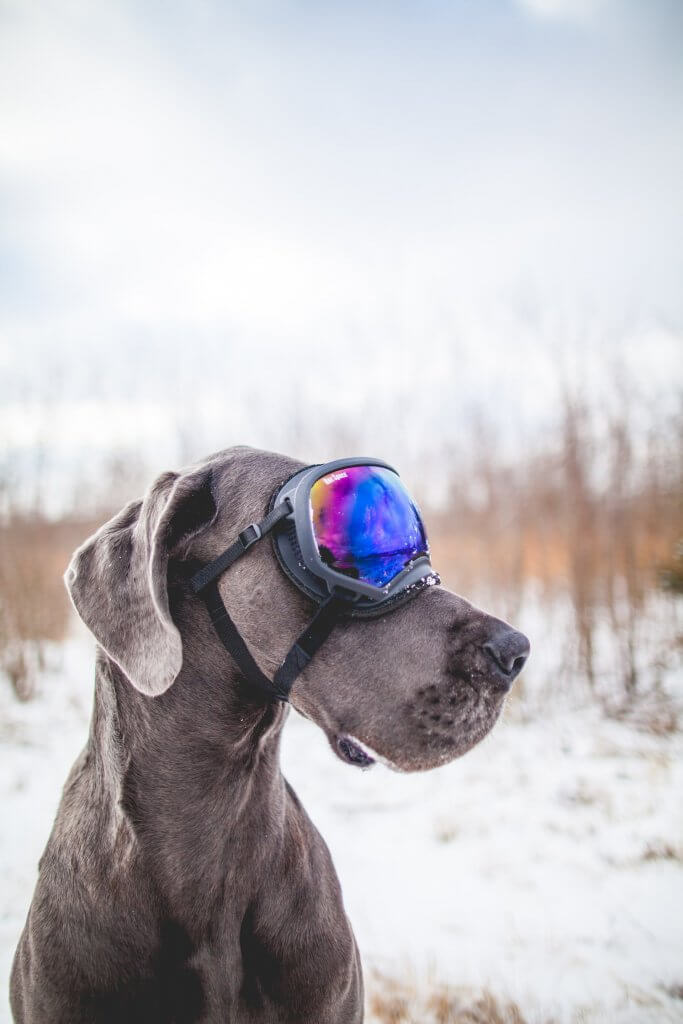
This shouldn’t be shocking to you – every person’s face is different. Some have high cheekbones. Others have a shallow nose bridge or a delicate one. The frame size should fit your face so that there’s no pinching and provides enough clearance that you can breathe through your nose.
Focus On The Big Picture
One of the newest pushes in technology is the size of lens. We’re HUGE fans of going as big as you can but making sure they fit correctly. Some of the narrower ones may look nice, but they could skimp on peripheral vision. Focus on what you can see on the side and downward.
Make Sure It Has A Good Interchangeable Lens System
Since most models have interchangeable lenses, be sure that you’re comfortable switching between them. I’ve learned this the hard way when I bought my first pair. The lenses continued to break and snap since you had to be a bit too gentle for my clumsy digits. For those individuals that want to flip between lenses like a NASCAR pitstop, Dragon offers a pair that are connected by magnets making lens swapping a cinch.
What You’ll Be Using Them For
Another thing to take into account is what are you going to be using them for. For example, if you do a lot of hiking or want to use them for uphill travel, goggles tend to fog quickly from the exertion. There are a few brands that specialize on venting. A company called Julbo has created goggles that open up a bigger vent so that when you’re climbing up, they don’t fog on you.
Why You Need More Than One Goggle Lens
Many of the manufacturers today provide two lenses with their goggles. One for storm skiing and the other for sunny weather. While they aren’t perfect, it’s a good starting point. Once you find the best snowboard goggles or ski eyewear for you, we recommend finding lenses for the following weather conditions:
Sunny Lens
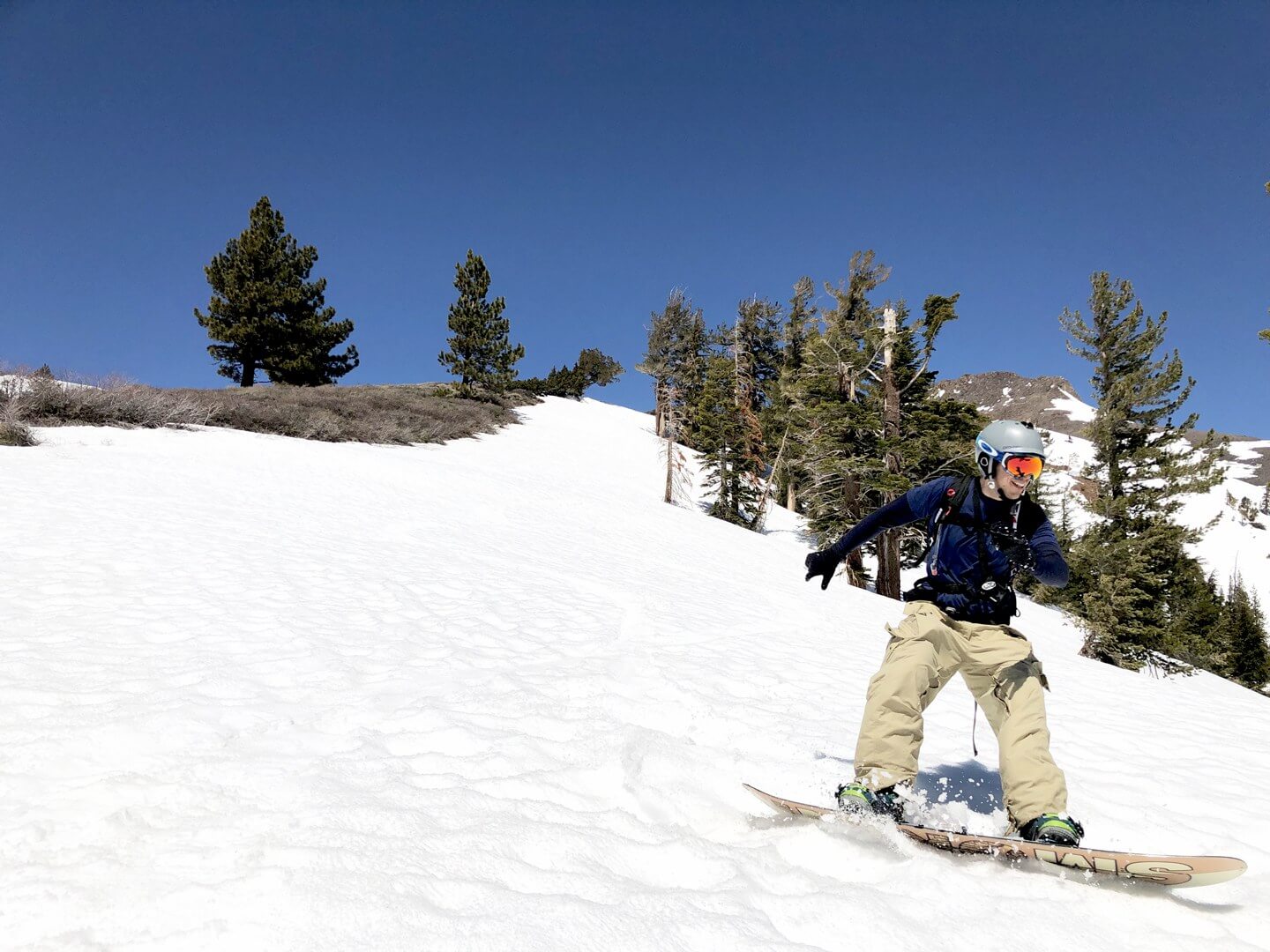
When it comes to spring skiing, the recipe is A LOT of sun which means a lens that has 100% UV protection. Most modern goggles come standard with that. The second most important aspect is looking for one that has a lot of tint similar to a good pair of sunglasses. Tint (or in the eye protection world) is called VLT. Look for Visible Light Transmission with less than 25%.
Stormy-ish Lens

For those days that are cloudy or there’s a lot of flat light, you want to find something that lets in MORE light. Look for a VLT that is between 20% – 70%. One thing to note is that there’s a few companies that have really focused on helping provide more contrast so you can see the features on the mountain during low light. They do this by filtering out certain colors that work against our ability to see those fine details. They also bump up the helpful colors to exaggerate those details even more. Both Smith Optics AND Oakley have come out with lens technology that combat this – Chromopop and Prizm respectively.
Night Skiing

If you’re going to be doing a lot of night skiing, I HIGHLY recommend picking up a clear or VERY light tint lens. While not really suitable during the day for skiing and snowboarding, under the night lights, it’ll let in 100% VLT which means you get as much light as possible.
Smith 4D Mag Goggles
Recommended Lens: ChromaPop Everyday Red Mirror
Warranty: Limited lifetime
Detailed Review of the 4D Mag Goggles
Retail Price: $348
Check Prices: Smith Optics | REI | Backcountry.com | EVO
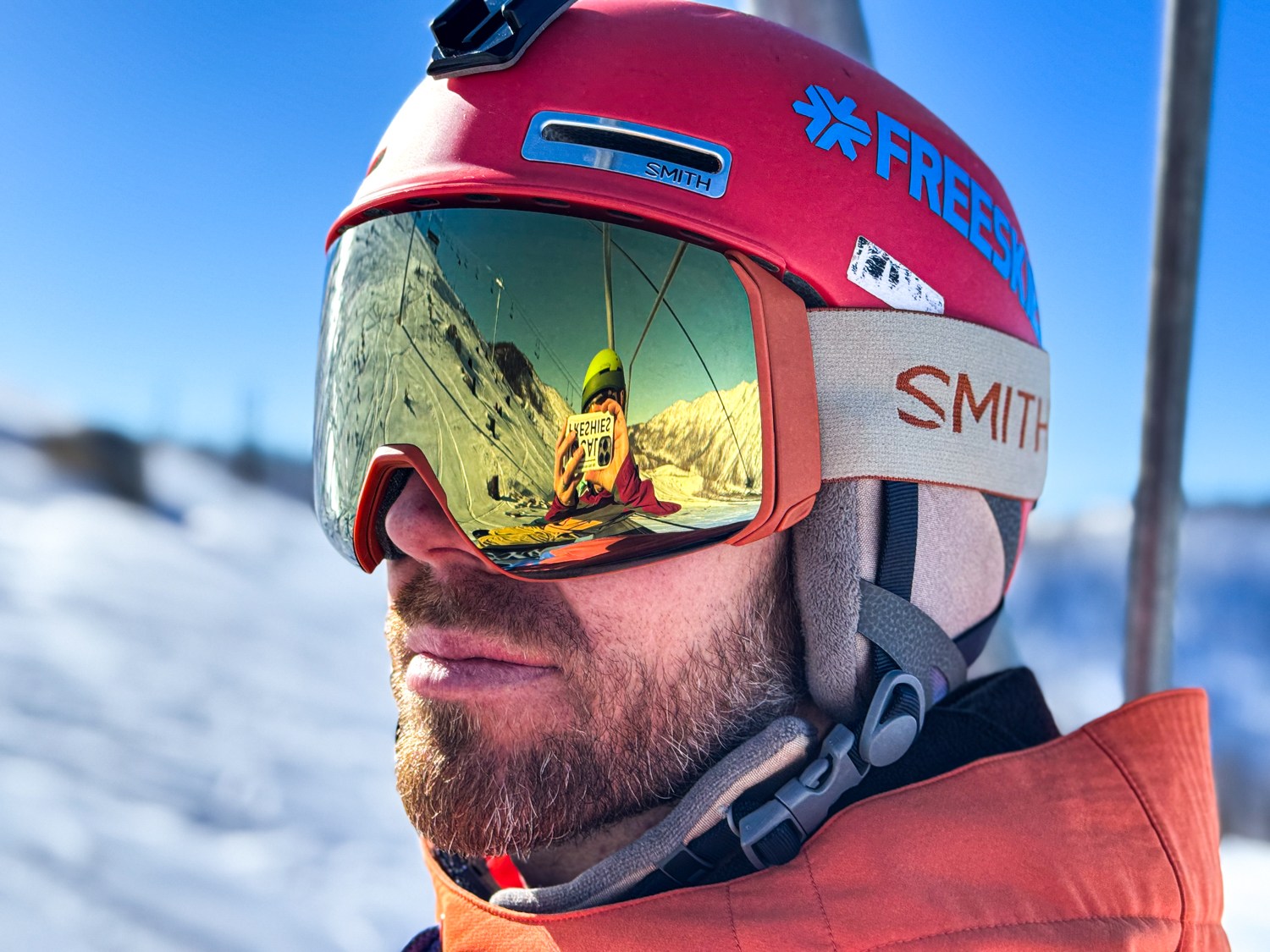
The Smith 4D Mag goggles aren’t cheap, but if you want the best of the best from fit to finish these are it. What sets them apart is the combo of crazy good peripheral vision, sleek style, and Smith’s Chromapop lenses that make every detail on the mountain pop. And with their MAG system, swapping lenses is stupid easy thanks to the magnets. Simply put, if you want top tier goggles, the 4D Mag sits at the top of the food chain.
If you have a larger face the “XL” is the better option.
Oakley Flight Deck Prizm Goggles
Recommended Lens: Prizm Snow Torch Iridium
Warranty: 2 years
Retail Price: $239
Check Prices: REI | Backcountry.com | EVO
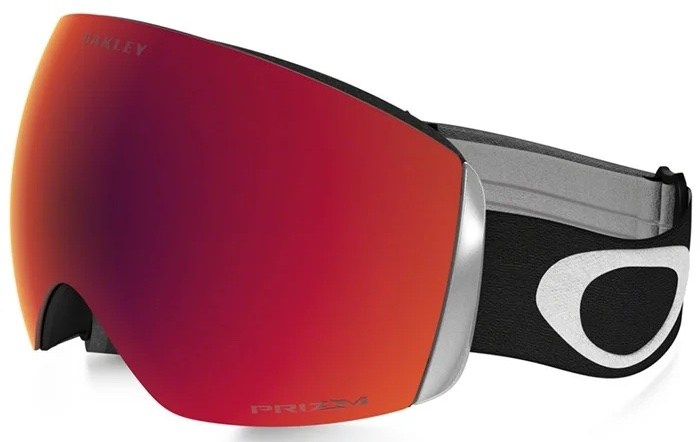
While each of the models they sell are impressive, the Oakley Flight Deck is their premier level for the Oakley line. Both my friends and I LOVE these goggles and are one of the best on the market. Providing a spherical lens, it maximizes the amount of peripheral vision you can have. For years it was the biggest lens you could get for the rimless design. If you can afford it, you you’ll love them forever. And if you have a bigger face grab the Oakley Flight Deck “L” version.
Electric EG2-T
Recommended Lens: Auburn Red
Warranty: 1 year
Extra Lens: No
Retail Price: $199
Check Prices: Backcountry.com | Amazon
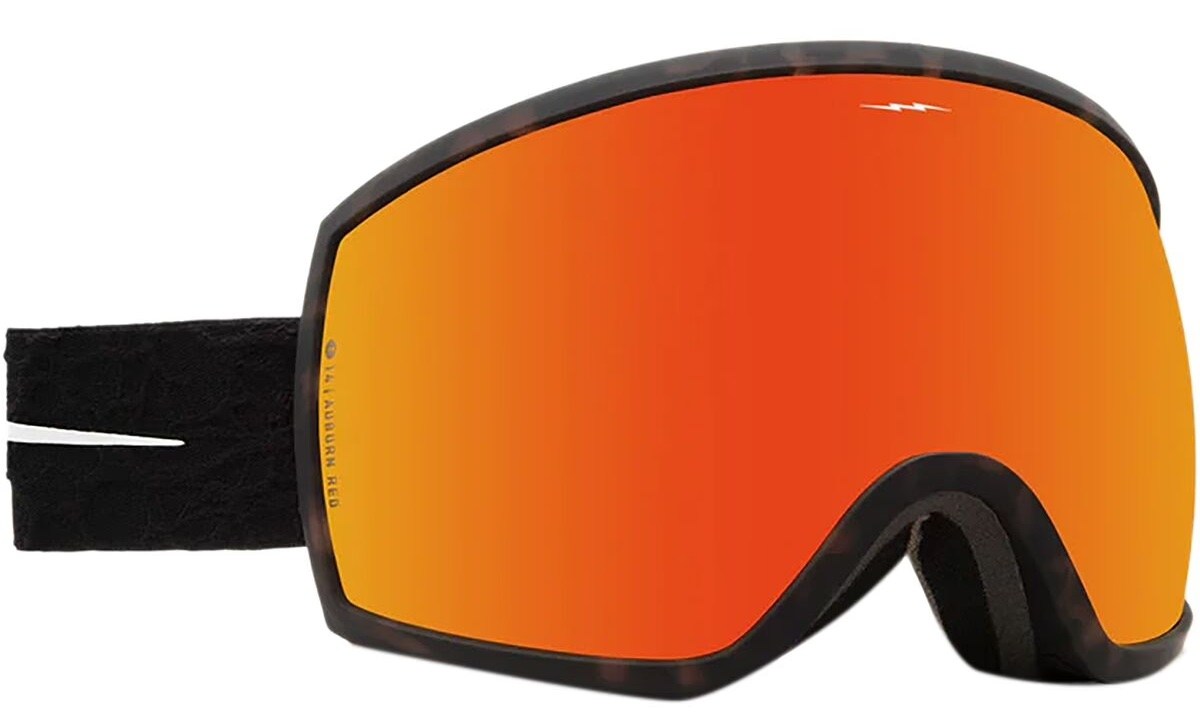
I still remember vividly when the Electric Brand came out with their first model over two decades ago in 2000. Co-founder Kip Arnette studied the art of eyewear for 10 years under his father, Greg, the original designer of Arnette sunglasses. After that company was sold, Arnette and his partners decided to start a new venture and voila… Electric was born. California designed and Italian made, Electric’s simplistic approach to frame design puts function first. While they’re stylish, you can pick up a pair at an affordable price compared to other brands out there. Our friend at Snowlife swears by the EG2 due to their ease of use and how much beating they can take.
Spy Marauder Elite
Recommended Lens: Ice Blue Mirror
Warranty: 1 year
Extra Lens: No
Retail Price: $340
Check Prices: REI | Backcountry.com

The Marauder Elite features Spy’s Toric Lens with HappyBoost technology. Using AI to analyze millions of color combinations, Spy developed HappyBoost to enhance brightness while protecting against harmful short-wave blue light. It boosts color by 30% and may even improve your mood. The toric lens blends the best of cylindrical and spherical designs, delivering superior optical clarity, a distortion-free view, and plenty of space for fog-free performance on the slopes.
If you’re choosing between the Marauder and the Marauder Elite, the upgrades are pretty simple. The standard Marauder uses a cylindrical lens, while the Elite steps it up with a toric lens for sharper clarity and a wider field of view. Add in Spy’s HappyBoost tech and the magnetic Deadbolt lens swap system, and the Elite becomes the clear pick for riders who want top tier performance.
Dragon X2S Goggles – Best for Small Face
Recommended Lens: Lumalens Rose Gold Ion or Lumalens Yellow Red Ion
Warranty: 2 years
Extra Lens: Yes
Detailed Review of the X2 Goggles
Retail Price: $229
Check Prices: Backcountry.com | EVO
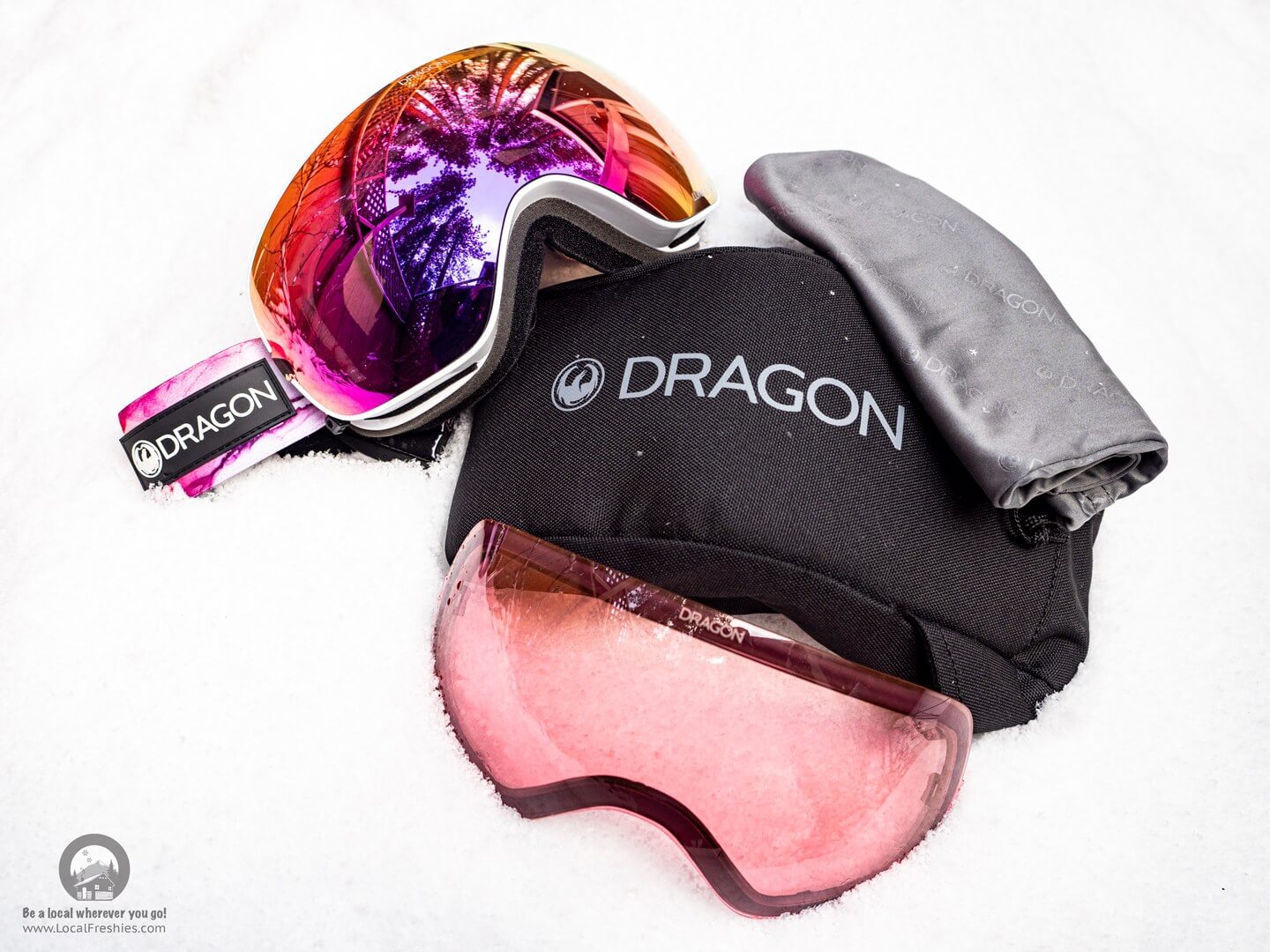
Recruiting snowboard legends like Jamie Lynn and Chris Roach, they’ve been pushing the envelope of what a snowboard goggle is supposed to do. For Jaime, the Dragon X2s goggles are the “BGF” best goggles forever since they’re designed for riders with smaller faces who still want maximum peripheral vision, combining comfort, helmet compatibility, and a durable, flexible frame. From their LumaLens which helps enhance the contrast of seeing the snow surface to their patented Switflock lens interchange providing the EASIEST lens switching in the biz. Another great feature is their spherical lens shape. It’s manufactured how your eye works to minimize distortion. One thing to note is all their Dragon goggles are prescription insert compatible. If you love ease of use and supporting a company that’s still true to their roots, this is it.
Anon M6
Recommended Lens: PERCEIVE Variable Green
Warranty: 1 year
Extra Lens: Yes (and comes with a balaclava)
Retail Price: $294
Check Prices: REI | Backcountry.com | EVO
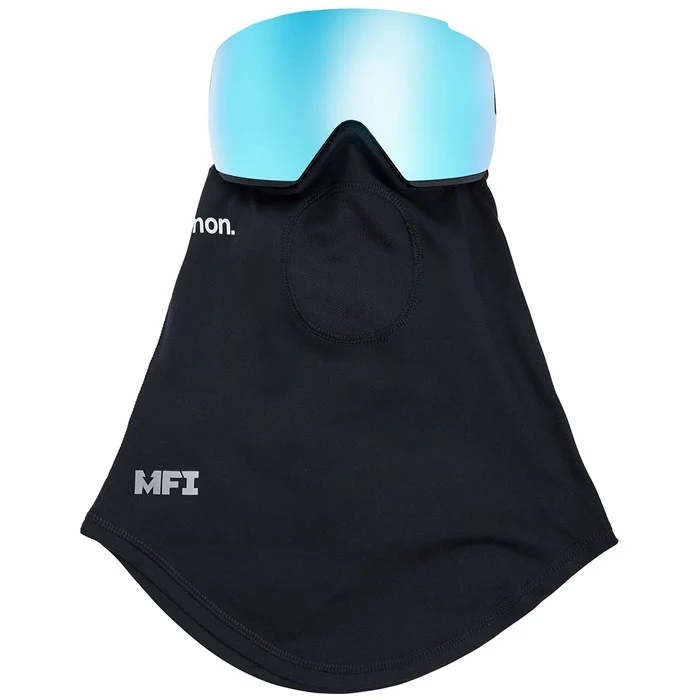
Beginning in 2005 and pronounced ‘an-nun’, it was started by none other than Burton. Originally manufactured by Smith Optics, Anon’s now produced in the Burton factory. Just like all things Burton, you can expect a good looking pair of snowboarding goggles that’s light and work well. Their unique technology is that the bottom of the goggles have magnets which can connect to their patented facemask making for a seamless link. This means no frosty nose on those brutal cold days AND no graupel stinging your cheeks.
POC Vitrea – Swedish Precision
Recommended Lens: Partly Sunny Orange
Warranty: limited 1 year
Extra Lens: Yes
Retail Price: $229
Check Prices: Backcountry.com | Amazon
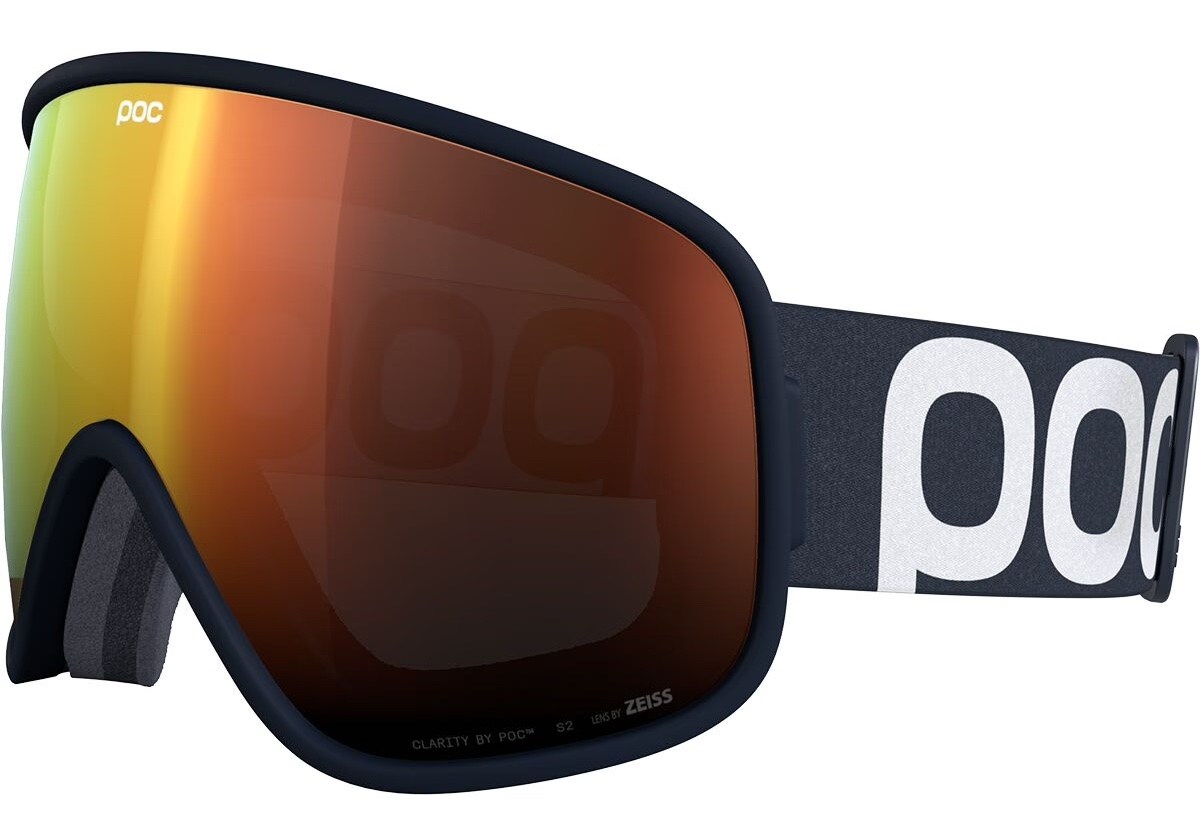
When you think of Sweden, Ikea often comes to mind with its simple, stylish designs and the same sense of thoughtful design carries over to POC. Their Vitrea Goggle is oversized with a frame that extends down your cheek for an extra large field of view. Working with optics specialists Carl Zeiss, POC developed the CLARITY lens to balance blue wavelengths with other colors, delivering some of the clearest vision on flat light days. A sturdy lens clip keeps lenses secure without sacrificing the convenience of magnetic lens changes. This all combines to a function forward goggle that looks good too.
Wildhorn Pipeline – Best Budget Friendly
Recommended Lens: Blaze
Warranty: limited 1 year
Extra Lens: Yes
Detailed Review of the Wildhorn Pipeline & Roca Goggles
Retail Price: $100
Check Prices: Wildhorn

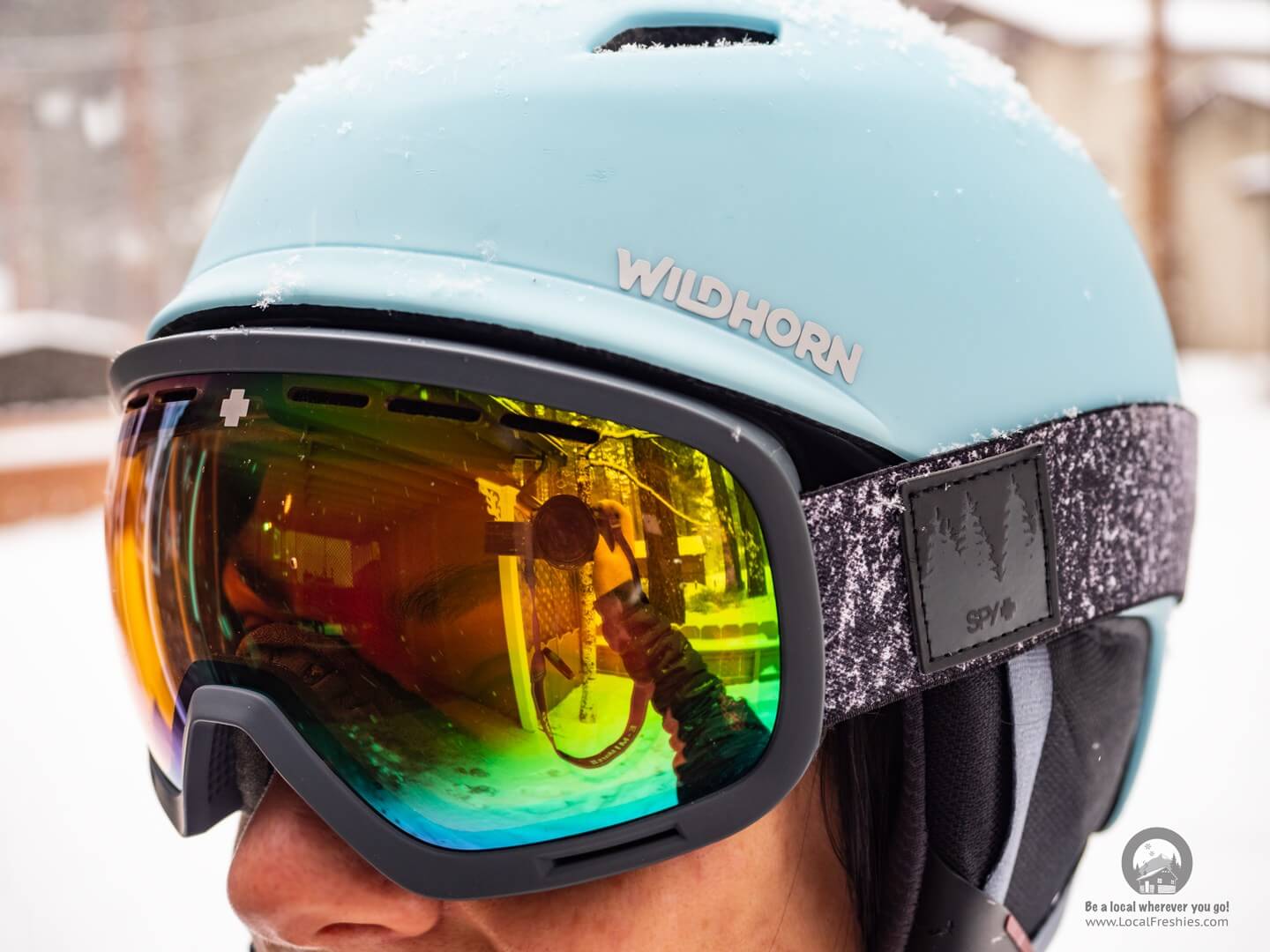
Utah-based Wildhorn Outfitters, focuses on making affordable ski and snowboard goggles that actually perform. The Wildhorn Pipeline Goggles are a standout option under $100, featuring larger lenses for better peripheral vision and sturdy straps that stay secure on helmets or hats. They resist fogging even with a face mask and use a magnetic lens system for quick, easy swaps. Their biggest advantage? Magnetic lens clips similar to Anon goggles, but at a fraction of the price. For budget-conscious riders seeking excellent fit, comfort, and performance, the Pipeline goggles deliver well beyond their price point.
Now that you got the gist of what you’re looking for, we hope our lessons learned help you find the best snowboard goggles or ski eyewear so that you don’t have to go through the same painful (and expensive) learning curves.

My last pair of POC goggles cost me as much as my skis, boots and poles when I started skiing in 1956.
And a cost of a pair of skis today would equal the cost of a decent car back in ’56. You have to love inflation. 🙂
You’re right – I just purchased a pair of Stockli Laser SX skis.