Last winter was one for the record books. Japan was pummeled by relentless snowfall, setting records across the islands — even bringing cities to a standstill that are no strangers to harsh winters. But it wasn’t just the snow making headlines. For the first time, visitation numbers surged to unprecedented levels. We’re talking packed lift lines and inbounds powder getting tracked out as quickly as it does at spots like Palisades Tahoe or Snowbird. Is this the end of the Japow dream? Short answer: Not at all.
Land of JaPow – Snow Surfing Culture
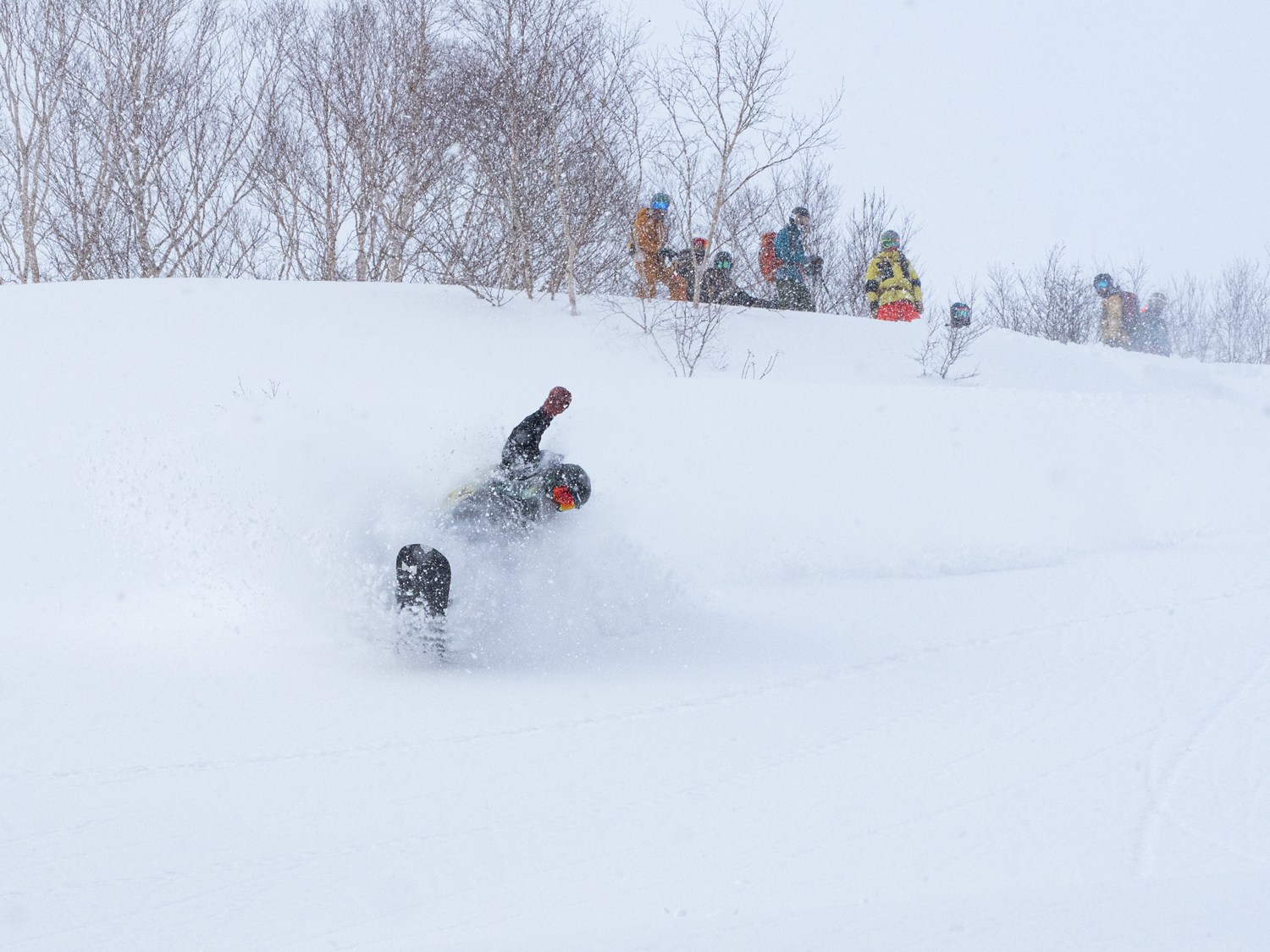
Japan’s famously deep and consistent snowfall didn’t just attract skiers — it sparked an entire powder-driven movement. So much so that a full-blown snow-surfing culture was born out of it.
Meanwhile, domestic interest was heading in the opposite direction. Local Japanese skier visits dropped a staggering 75% from their peak in the ’90s, leaving many Hokkaido resorts nearly deserted. Something needed to be done to keep the lifts running.
Then the word started to spread — first through iconic ski films from TB and Matchstick Productions, and later through social media. As the legend of JaPow grew, riders from around the globe began making the pilgrimage.
The JaPow Surge
The stoke was already building before, but once Japan reopened after the pandemic? Boom — the floodgates were blown wide open. Now international visitors make up about 80% of all ski travelers and contribute nearly 90% of the money spent! Case in point: back in 2017, Niseko United saw just 619 guest nights from American visitors. Fast forward to early March 2025, and that number exploded to 4,823. That’s a 404% jump! Insane.
And it’s not just Niseko drawing the crowds. Down in the Japanese Alps, Hakuba is feeling the love too. You can sense it in the lift lines, in the izakayas, and in the pow stashes getting tracked out quicker than ever.
Even back home in Lake Tahoe, you could feel the pull. Everywhere you turned, someone was saying, “Oh yeah, I just got back from Japan.” Whether it was at the bar, the gym, or grabbing a morning coffee, the JaPow pilgrimage was real.
And it’s not just North Americans making the trip. Europeans and Aussies are hopping on the train too. For a lot of Australians, it’s actually cheaper to fly to Japan and ride blower pow than to ski at home — and let’s be honest, the snow’s usually way better.
The result? A staggering 33% increase in international visitors compared to pre-pandemic levels. Between December 2024 and February 2025, Japan welcomed 10.5 million foreign travelers — up from 7.9 million during the same stretch in 2018.
Crowds, Convenience & the Powder Chase
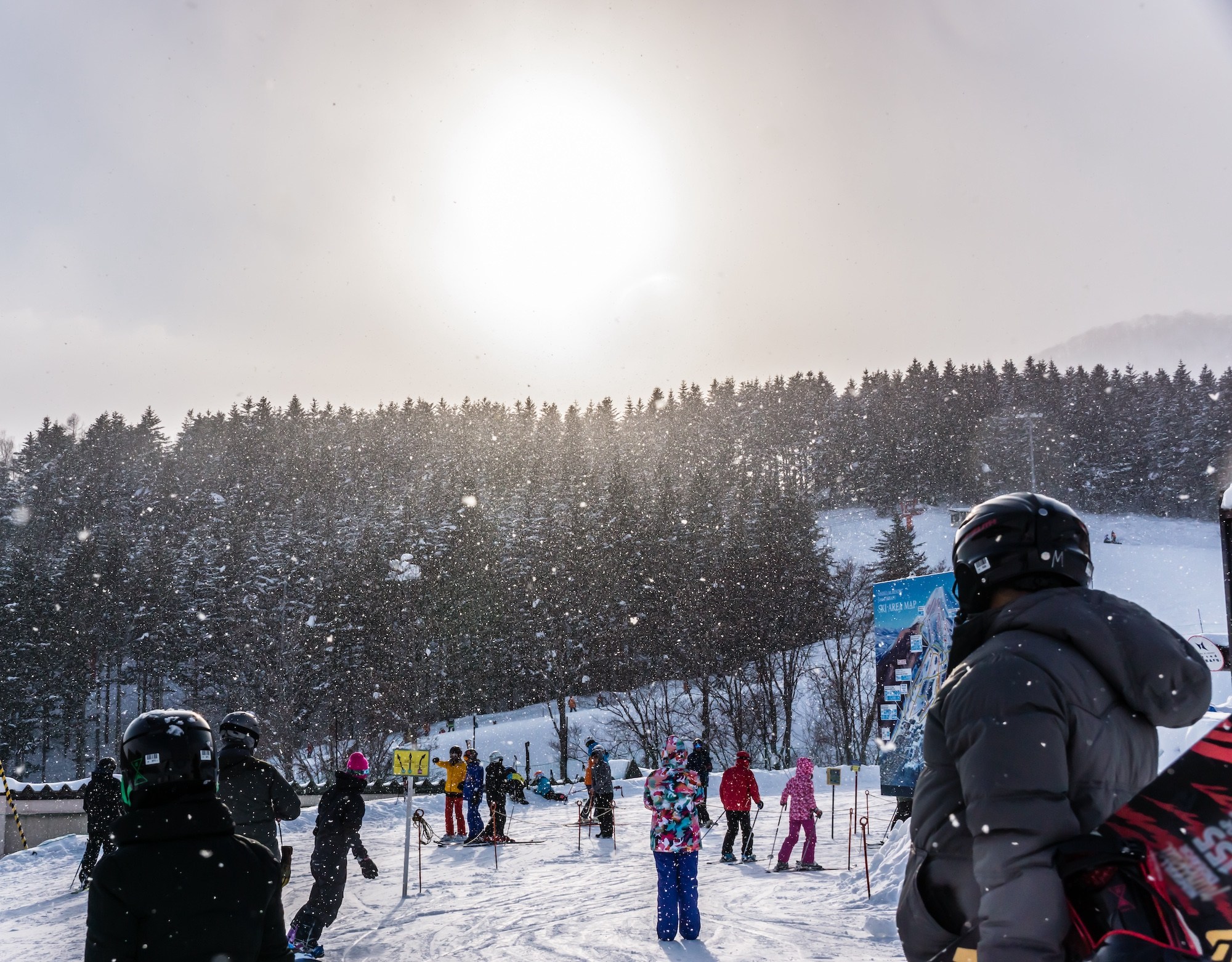
The issue isn’t the number of visitors. It’s that too many are flocking to the same few resorts. For first-time travelers, Japan can be a bit overwhelming. I can personally relate, which is exactly why we created a comprehensive Japan Skiing Guide, along with an article on the 10 things we wish we’d known before skiing in Japan.
For many, passes like Epic and Ikon offer a convenient, familiar way to access resorts abroad. On the ground, we heard it straight from skiers: plenty of Australians had the same idea as Americans — pick up an Epic Pass to ride both their home mountains and Japan’s legendary powder.
The Easy Button of JaPow
There’s a reason the big-name resorts are so popular. They’re easy. They cater to Westerners, offering familiar comforts and smoother logistics. That’s why Niseko, on the northern island of Hokkaido, and the Hakuba Valley, on the main island of Honshu, draw the most international attention. Together, they account for roughly 50% and 35% of all foreign ski visitors, respectively.
Where Japow Still Lives
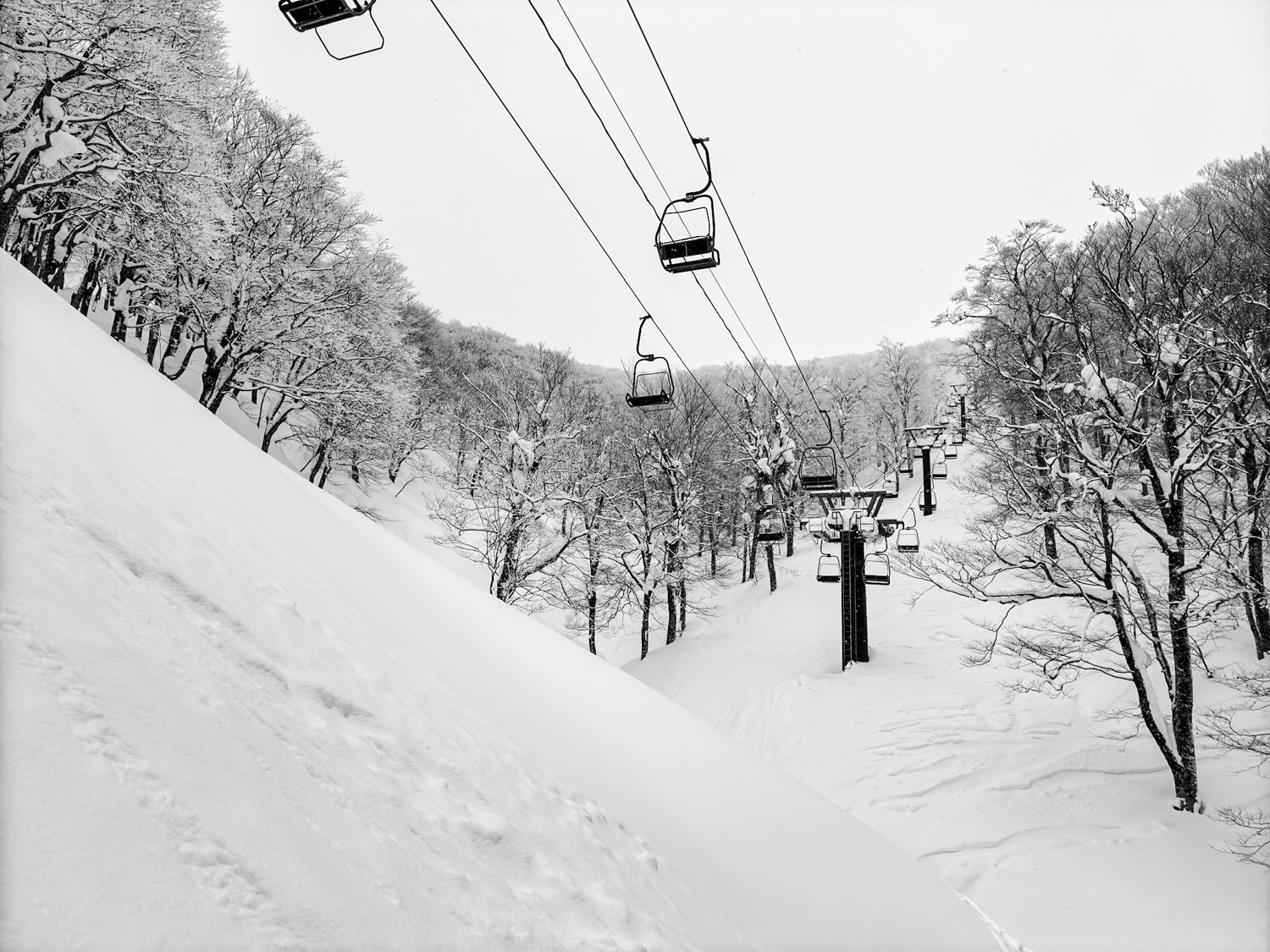
But here’s the thing: if you’re chasing uncrowded slopes and deep, untouched powder, you’ve got to step outside your comfort zone.
We’ve been to Japan twice including last season, and I can confidently say that out of the 450+ resorts that exist in Japan, the smaller, lesser-known ones offer a way better experience. It’s where the heart of JaPow truly lives. It doesn’t get more authentic than this.
Take Anaba Lodge, for example. It felt like Baldface (Nelson, BC) on a budget, accessed by gondola. Then there’s Kamui Ski Links in Hokkaido, known for its hardcore local crew of trench-carving fanatics and a laid-back boundary policy. And Aomori Spring? That’s where I got my first real taste of JaPow. Pure magic.
These hidden gems offer a more intimate, affordable, and crowd-free alternative to the packed slopes of Niseko and Hakuba. Just don’t expect much English signage in town or on the slopes. These places are the real deal.
If it’s your first international ski trip, or you want to make sure your turns are top-notch, we highly recommend our friends at Japan Ski Tours. They’ll help you do it right.