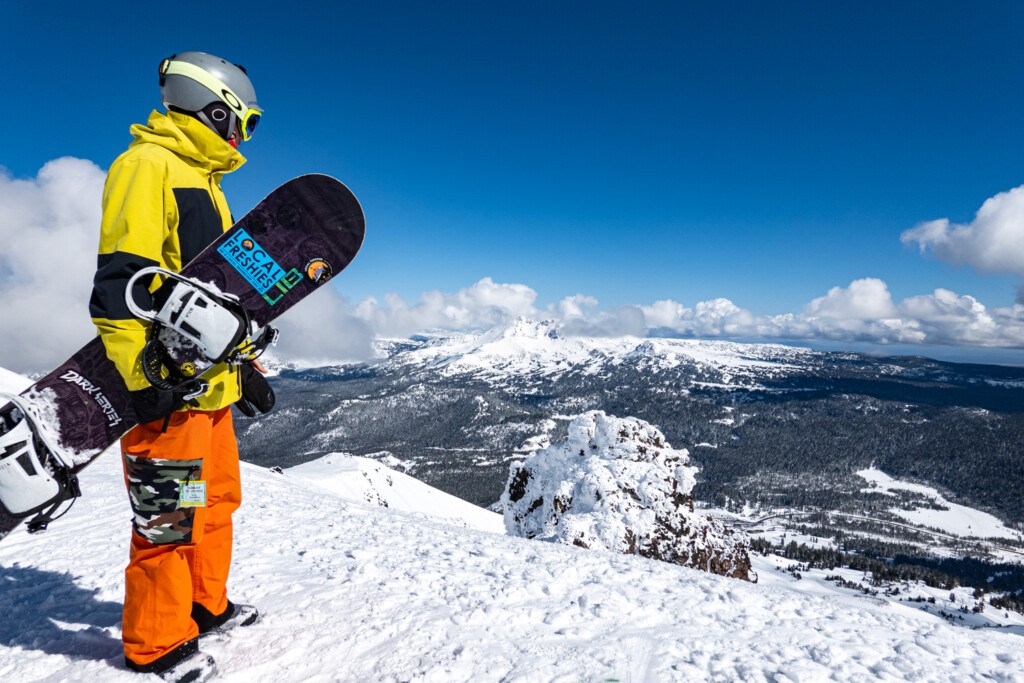
As a snowboarder, you want to “surf” the mountain. Cat tracks, endless flat terrain, and predominately skiers aren’t a recipe for a fun vacation. This article focuses on the best places for snowboarding. From the terrain to the culture, we go into each place and what makes them a mecca for us Knuckledraggers.
What Makes A Resort One Of The Best Places For Snowboarding
There are mountains that get more powder days. Some that have endless terrain to shred. This list is focused on the “soul” of snowboarding. At its core, sliding sideways is still the “punk rockers” of the mountain. And just like this music genre has changed, be it good or bad, it’s still “prickly.” We focus on ski areas that are just as much snowboarding resorts. A place when you arrive, you can FEEL the culture in its bones. Less Hollywood and more Mom & Pop but with a few exceptions. And terrain that’s playful, allowing you to jump off features as you cruise down the mountain.
Table of Contents
- Mt. Baker: Where Hardcore Snowboarding Lives On
- Brighton: The Mom & Pop Resort That Rules Utah Snowboarding
- Jackson Hole: Gold Standard for Freeride Snowboarding
- Mammoth Mountain: Pow, Parks, and Corn for Days
- Mt Bachelor: Where Every Line Feels Like a Wave
- Big Bear Mountain Resort: Sun, Style & Side Hits
- Trollhaugen: Where Rails Rule & Nights Run Late
- Stratton: From US Open Legends to Epic Parks
- Copper Mountain: No Flats, All Flow
- Whistler Blackcomb: Where Snowboarding Went Big and Never Looked Back
- Honorable Mention: Sierra-at-Tahoe
Mt. Baker: Where Hardcore Snowboarding Lives On
Mountain Stats
Base Elevation: 3,589 feet
Vertical drop: 1,500 feet
Acreage: 1,000 acres (with oodles of Backcountry Options)
Lifts: 10
Trails: 38
Snowfall: 688 inches
Why Mt. Baker Belongs on Every Snowboarder’s List
- 600+ inches of snow a year: the most in North America, heavy, surfy, and built for snowboards
- Open boundary policy with real peaks, cliffs, chutes, and pillow lines
- No frills, all function: fixed grip chairs and a raw, old school snowboard vibe
- Home of the Legendary Mt. Baker Banked Slalom, the most respected contest in snowboarding
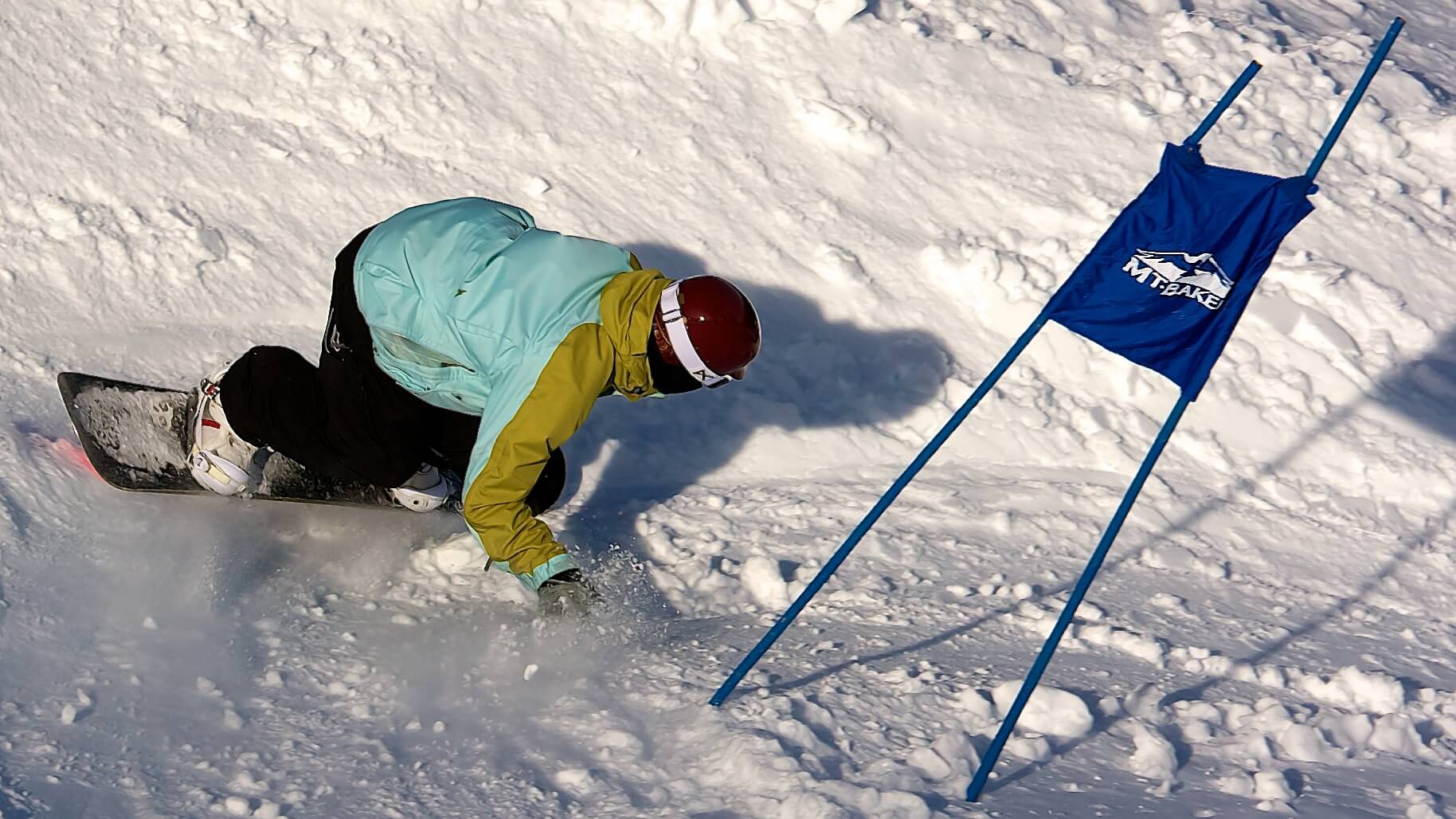
How could we name the best places for snowboarding in North America without mentioning Mt. Baker. We spent over five seasons visiting this place, and to this day, it’s still one of our top five favorite mountains to ride. Still hardcore to this day. Surrounded by sharp jutting peaks. An open boundary policy allowing you to shred any of them. A place that gets over 600”+ of snow (the most snow in North America!) We’re not talking the soft, fluffy kind… but that maritime snowpack. Cascade concrete. Before skis became like two N.A.S. (narrow ass snowboards), actual snowboards ruled the roost. Their design allowed them to naturally surf the heavier snow. And it’s no wonder that to this day, Mt. Baker holds the most cherished snowboarding contest. No, not the X-Games or the Olympics. The Legendary Mt. Baker Slalom or LBS for short.
Packs A Big Punch
What you’ll find is a resort that isn’t trying to be someone else. All of its lifts are still fixed grip chairs. It only has 1,000 acres of terrain within its confines. Chairs 5 & 6 give access to Mother Nature’s terrain park which is filled with monstrous features. HUGE cliffs, tight chutes, and even pillow lines. The roaring wind during storm cycles create lips to get some air off of. For a mellower flow, head to Chair 8 where you can take some warmup laps on Oh Zone and Daytona.
Local Freshies® Tip: On your way up, keep your eyes peeled for the legendary Mt. Baker road gap which Shaun Farmer did shirtless.
Brighton: The Mom & Pop Resort That Rules Utah Snowboarding
Mountain Stats
Base Elevation: 8,755 feet
Vertical drop: 1,745 feet
Acreage: 1,050 acres
Lifts: 7
Trails: 66
Snowfall: 500 inches
Why Brighton Belongs on Every Snowboarder’s List
- 500 inches of the Greatest Snow on Earth, light, dry, and perfect for learning or leveling up
- Playful, natural terrain with drops, cliff bands, and side hits that beg to be boosted
- Legendary tree riding off Great Western that keeps locals coming back lap after lap
- Snowboarder first culture, affordable, low key, and open boundary access for trained riders into the Wasatch
In the late 90’s, Salt Lake City was the hotbed of snowboarding. Names like Jeremy Jones, JP Walker, and Bjorn Leines showcased how good it was in films like the Resistance. Snowbird is home to steep and deep terrain. Park City’s name fits, providing visitors 8 terrain parks and 2 pipes to shred. It’s the little Mom & Pop of Brighton that shines the brightest for its love of snowboarding.
Greatest Snow + Shreddy Terrain
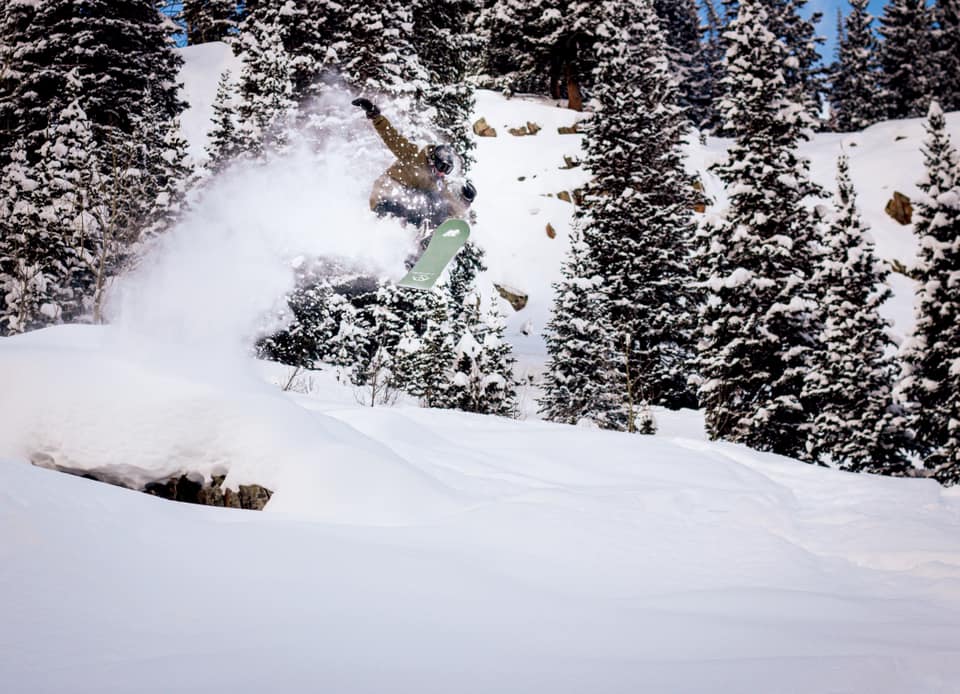
It’s calm demeanor, affordability, and 500 inches of the “Greatest Snow on Earth” make for a perfect place for beginners to try snowboarding. Despite it not having the steep consistent stuff you’d find at Snowbird or other larger Utah resorts, it more than makes up for with its natural playful terrain. The upper mountain is filled with drops and cliff bands to float your favorite 360. To put the cherry on top, the tree runs off of Great Western will have you frothing at the mouth. For experts that have avalanche training, similar to Mt. Baker, Brighton has an open boundary policy giving you access to the legendary Wasatch peaks.
Jackson Hole: Gold Standard for Freeride Snowboarding

Mountain Stats
Base Elevation: 6,311 feet
Vertical drop: 4,135 feet
Acreage: 2,500 acres
Lifts: 13
Trails: 130
Snowfall: 400+ inches
Why Jackson Belongs on Every Snowboarder’s List
- Consistent cold smoke snowfall: mid winter storms stack deep with January never below 58 inches, delivering real powder days instead of dust on crust
- Steep, sustained big mountain terrain: over 4,000 vertical feet with more than 50 percent expert rated, featuring chutes, cliffs, and lines like Corbet’s Couloir
- Iconic access to serious riding: 2,500 acres served by the Jackson Hole Tram in under 12 minutes, putting you straight into high consequence terrain without the gimmicks
- Freeride proving ground: shaped legends like Travis Rice and Bryan Iguchi and hosts ShaperSummit, where snowboards are tested and built for deep powder riding
Jackson Hole doesn’t just host snowboarding legends. It creates them. This is the mountain that shaped Travis Rice. The place Bryan Iguchi loved so much he walked away from competition entirely just to spend his life riding these peaks. Of every ski resort in North America, Jackson might have the most lethal combination of steep terrain and cold smoke powder.
You’re looking at over 4,000 vertical feet spread across 2,500 acres, all accessed by one of the most iconic lifts in the game, the Jackson Hole Tram. It’s so consistently good that Rob Kingwill started ShaperSummit here, an annual gathering where snowboards are tested and refined specifically for deep powder riding. That alone tells you everything you need to know.
Freeride Capital
Plenty of mountains love to brag about powder. Usually that means waiting weeks between storms or getting nickel and dimed with a few inches at a time. Jackson Hole is different. Mid winter storms roll in consistently. January has never seen less than 58 inches of snowfall, and when it snows, it snows. We’re talking real deep days, not pow adjacent conditions.
Then there is the terrain. Over 50 percent of the mountain is expert rated, and this is not short or gimmicky riding. It is full length, top to bottom, 4,000 plus vertical feet of sustained consequence. Lines like Corbet’s Couloir are not side attractions. They’re part of the culture. Thanks to Jackson’s open boundary policy, the mountain funnels you straight into some of the most butt puckering terrain on the planet.
Pow, Parks, and Corn for Days: Why Mammoth Owns Snowboarding
Mountain Stats
Base Elevation: 7,953 feet
Vertical drop: 3,100 feet
Acreage: 3,500+ acres
Lifts: 28+
Trails: 175
Snowfall: 400 inches
Why Mammoth Belongs on Every Snowboarder’s List
- Storms that stack: Roughly 400 inches a year, with Sierra storms dumping snow by the foot and a mountain built to hold it
- Season that won’t quit: Reliable November openings and spring riding that cruises past Memorial Day and sometimes into summer
- Sun without the sacrifice: Bluebird days between storms keep visibility high and snow soft, not scraped or icy
- Spring skiing royalty: High elevation, cold nights, warm days, perfect corn, plus elite parks and salted runs when nature needs a nudge
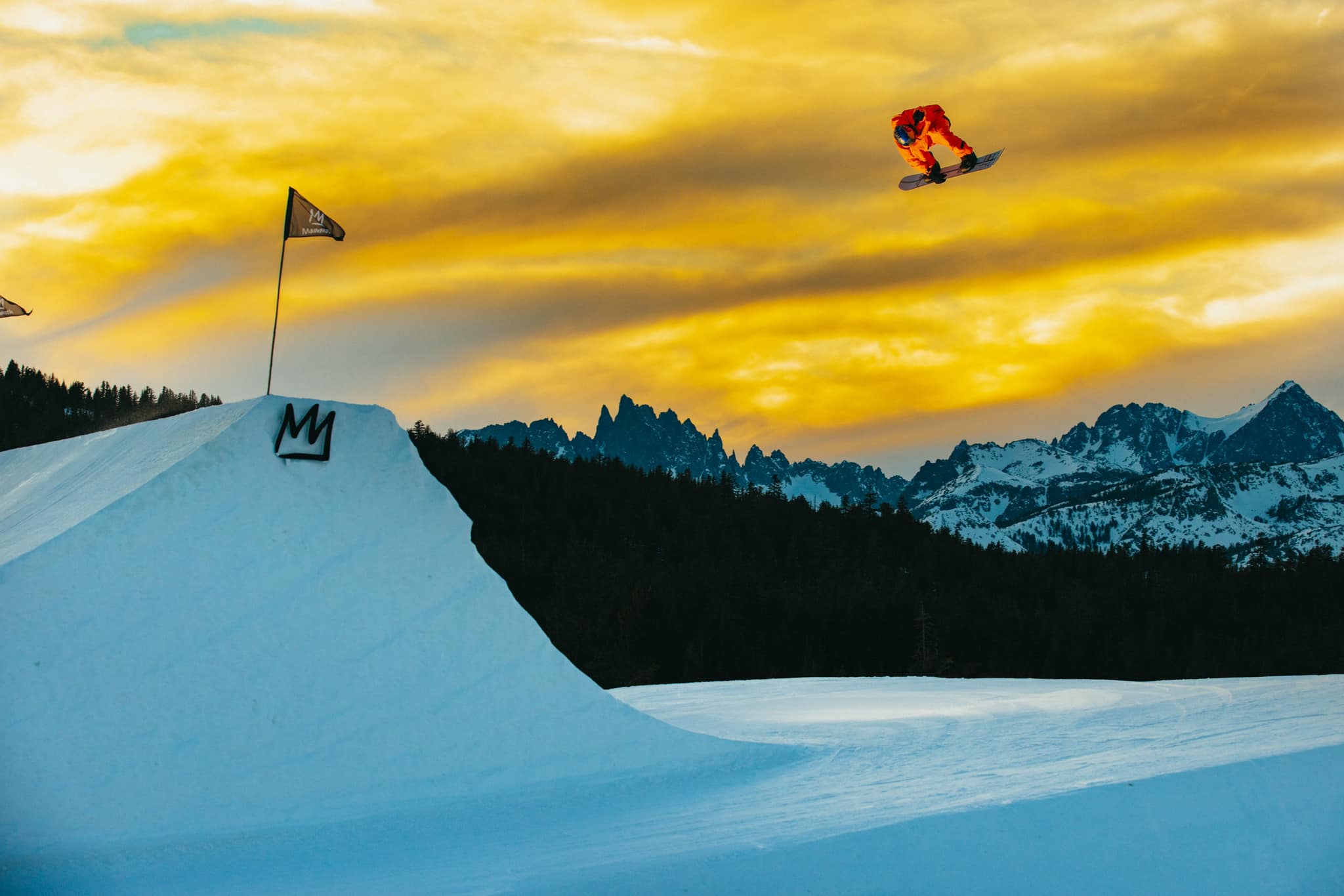
Anyone that has skied the Sierra Nevada can tell you – it’s feast or famine. There can be long stretches (weeks or more) where not a single snowflake falls. But when it does, snowstorms deposit FEET of snow. Mammoth averages 400 inches of snow. In between storms, you’ll find plenty of sun. The mountain preserves what it gets too. Even in a BAD winter, the season starts in early November make it one of the best places to ski in November. And when spring rolls around, the season usually stretches until at least Memorial Day—with bigger winters sometimes pushing all the way into August. It’s no wonder that so many world-class snowboarders call this place home. You’re either shredding pow, honing your skills in the world-class terrain parks, or harvesting corn.
One Of The Longest Seasons
On the list of the best places for snowboarding, Mammoth Mountain is the king of spring. Besides having the highest elevation in California, this part of the Sierra Nevada is home to the BEST weather for producing a spring type of snow. While temperatures can reach the 50’s or 60’s mid-day, at night the lows get below freezing, creating luscious “corn.” Even when weather doesn’t cooperate in late June or July, they salt their runs providing a perfect surface to ride on.
Mt Bachelor: Where Every Line Feels Like a Wave
Mountain Stats
Base Elevation: 5,700 feet
Vertical drop: 3,365 feet
Acreage: 4,323 acres
Lifts: 12
Trails: 123
Snowfall: 410 inches
Why Mt. Bachelor Belongs on Every Snowboarder’s List
- Snow that surfs: Volcanic topography creates natural bowls, rollers, and gullies that ride like waves, not trails
- Season that keeps giving: One of the longest seasons in North America, snowiest mountain in April, with spring corn lasting into May
- Flow without ego: The whole mountain encourages linking lines naturally with the terrain and storms, no chasing preset runs
- Big wave vibes: Legendary events like Gerry Lopez’s Big Wave Challenge make it a snowboarder’s playground
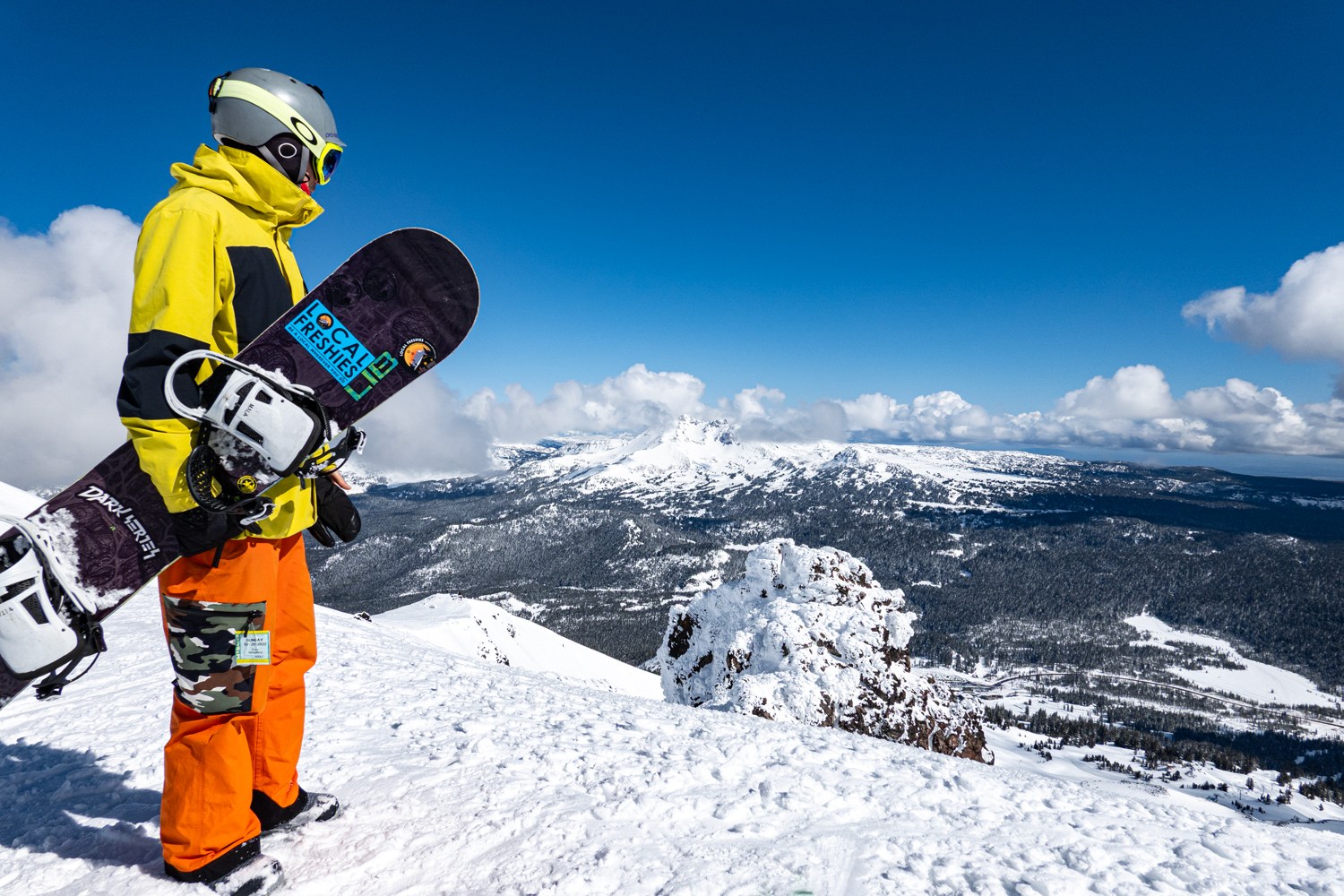
Mount Bachelor feels unreal the first time you see it. A lone volcanic peak rising clean and symmetrical above the forest, standing apart from everything else around it. This is not a mountain built for domination. It’s built for flow, freedom, and riding the way snowboarding was meant to feel. The topography is so playful it’s like Mother Nature shaped a volcano into a skatepark. Instead of chasing runs, you surf the mountain, linking lines that naturally connect with the terrain and the storm. It’s no surprise that legendary surfer Gerry Lopez chose Mt Bachelor as the home of his Big Wave Challenge.
A Snow Surfer’s Mountain
What makes Mount Bachelor Ski Resort special for snowboarding is how playful and fluid it rides. The volcanic topography creates natural bowls, rollers, and gullies that feel more like waves than trails. Storms fill the mountain differently depending on wind and direction, rewarding riders who know how to read the mountain. Some days four inches rides like two feet. Other days you are still finding untouched snow hours after the storm ends. On top of that, it has one of the longest seasons in North America and is the snowiest mountain in April. Finish it off with legendary spring corn through the end of May, and Mt. Bachelor delivers without ego, hype, or gimmicks.
Big Bear Mountain Resort: Sun, Style & Side Hits
Mountain Stats
Base Elevation: 7,000 feet
Vertical drop: 1,665 feet
Acreage: 438 acres
Lifts: 17
Trails: 29
Snowfall: 75-200 inches (Varies drastically)
Why Big Bear / Snow Summit Belongs on Every Snowboarder’s List
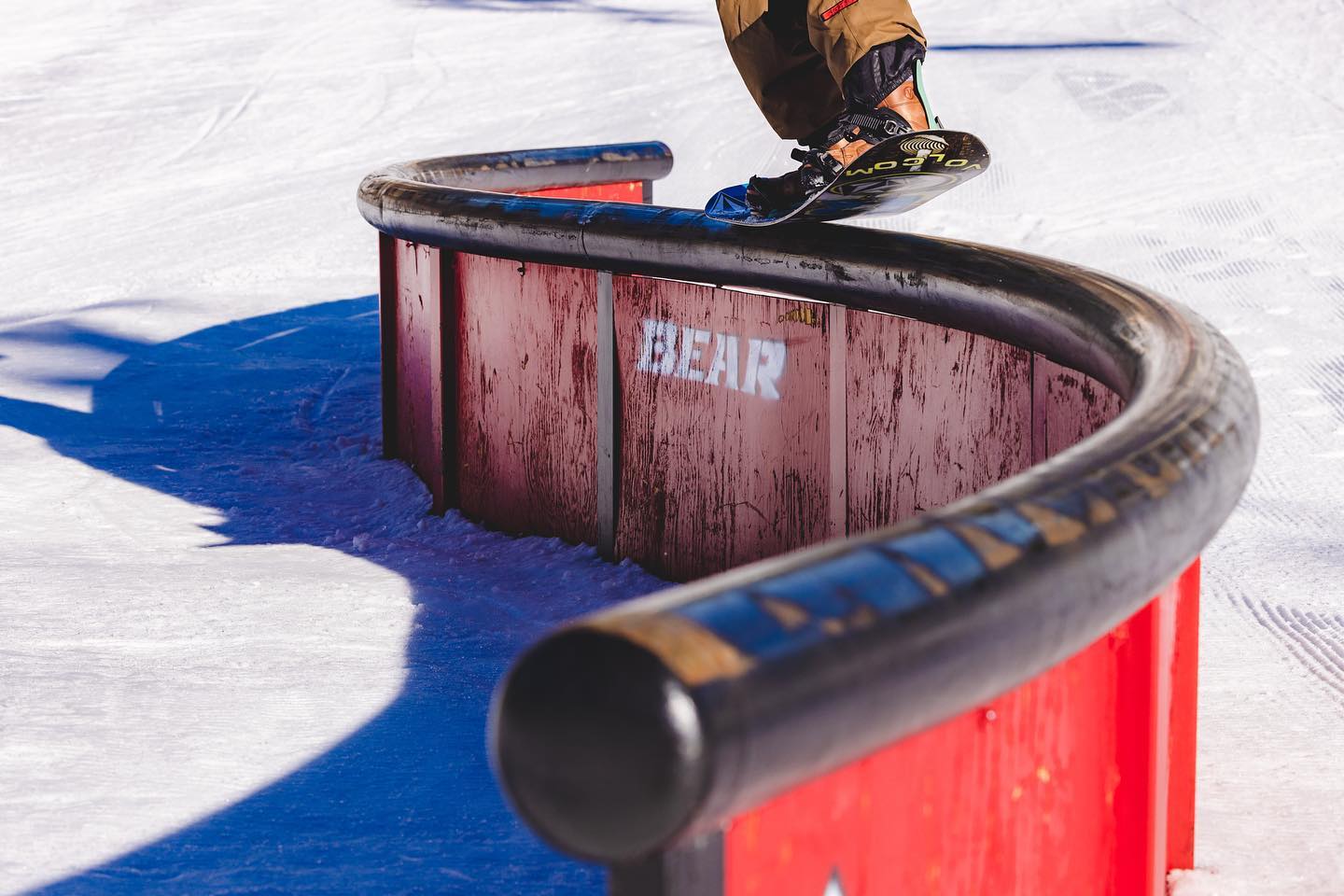
- Snowboarder’s Mecca: Big Bear is the heart of SoCal snowboard culture, shaped by nearby skate and surf scenes
- Parks that set the standard: Up to 200 features mid season, creative builds rooted in skate culture, and the original home of the X Games
- Reliable snow, any winter: Massive snowmaking keeps conditions dialed whether it’s a 300 inch El Niño year or a lean season
- Sun and Style: Expect sunny laps, warm temps, a lively après vibe, and legit terrain for pow days on Bear Peak
If you name one, you have to name the other. Like yin and yang. Salt and pepper or Salt-N-Pepa. Snow Summit is the family friendly spot and Big Bear has become the snowboarder’s mecca. These twin resorts located just two hours from LA have played a BIG part of snowboard culture. With southern California’s love for surfing and skateboarding, it makes sense that the culture would ascend to Big Bear. And this inspiration from skateboarding helped usher in the first terrain parks which were inspired by skateparks. In fact, many of the big brands in snowboarding such as Oakley, Signal Snowboards, and even 686 are based in LA.
Sun, Park, And Apres Ski
Southern California winters can be all over the place. In big El Niño years, Big Bear can see 300 inches of snow, while lean seasons might barely hit 50. Either way, Big Bear Mountain Resort delivers, thanks to extensive snowmaking that keeps coverage dialed all season long.
The resort’s legacy is built on its terrain parks, and for good reason. This is where the first X Games went down, and it still shows with up to 200 features mid season and some of the most creative park design anywhere. It’s why so many pro snowboarders still call Big Bear home.
Add in constant sunshine, summer like SoCal temps, and a lively, Out Cold level party vibe, and you’re having fun no matter what Mother Nature provides. And when it does snow, Bear Peak and the steep, untouched Geronimo run make sure you get your powder fix too.
Trollhaugen: Where Rails Rule & Nights Run Late
Mountain Stats
Peak Elevation: 1,200 feet
Vertical drop: 280 feet
Acreage: 80 acres
Lifts: 8
Trails: 30
Snowfall: 50 inches
Why Trollhaugen Belongs on Every Snowboarder’s List
- Early Season Edge: Often one of the first to open in the US, as early as late October when snowmaking temps are right
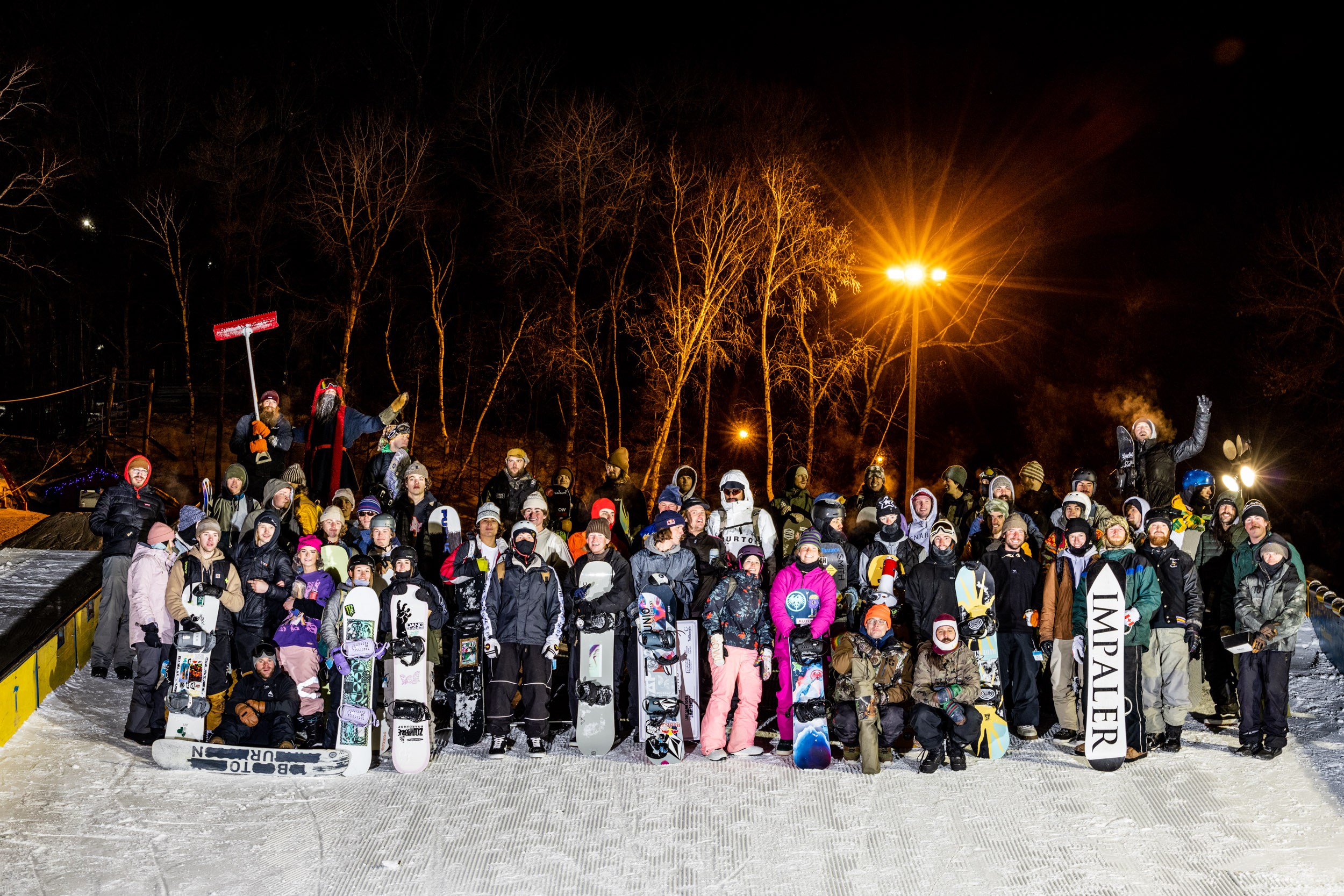
- Parks That Push Progression: Four parks, Guttenhaugen (small), Tomtebakken (small to medium), Valhalla (medium to large), and Valgrind (flow park), reset every three weeks during season
- Culture First: Events like Open Haugen, Take The Rake, and Lord of the Ropes keep snowboarding fun, inclusive, and community-driven
- Night Owl Vibes: Lifts run until 3 am on Fridays with live music in the Skolhaugen Lounge for late-night laps and a party atmosphere
Snowboarding and the Midwest go together like peanut butter and jelly. This part of the country has been pumping out pro snowboarders like they’re harvesting bushels of corn. Some say it’s because of the short winters. Personally, I think it’s the tow ropes. Instead of riding up a mountain via a chairlift, park rats literally spend hours riding down AND up the mountain strapped in.
Time On Board = Crop Of Pros
When it comes to resorts that still truly represent snowboard culture, Trollhaugen stands out. What it lacks in size, it makes up for with passion, creativity, and an unmatched community vibe. Troll can open as early as late October, making it one of the earliest start points to the season anywhere in the country.
The real magic at Trollhaugen is the culture. It’s not just about hosting events, it’s about building community, from Open Haugen kicking off the Midwest season in October to women led park builds at Take The Rake, and head to head battles at Lord of the Ropes. While most resorts shut it down early, Troll keeps the lifts spinning until 3 am on Fridays, often paired with live music in the Skolhaugen Lounge, proving that snowboarding is still about fun first, every single lap.
Stratton: From US Open Legends to Epic Parks
Mountain Stats
Base Elevation: 1,872
Vertical drop: 2,003 feet
Acreage: 670 acres
Lifts: 11
Trails: 99
Snowfall: 180 inches
Why Stratton Belongs on Every Snowboarder’s List
- Snowboarding Legacy: Hosted the Burton US Open for nearly 30 years, where legends like Craig Kelly and Shaun Palmer made history
- Events That Celebrate the Sport: Today, Homesick keeps the competitive, playful spirit alive
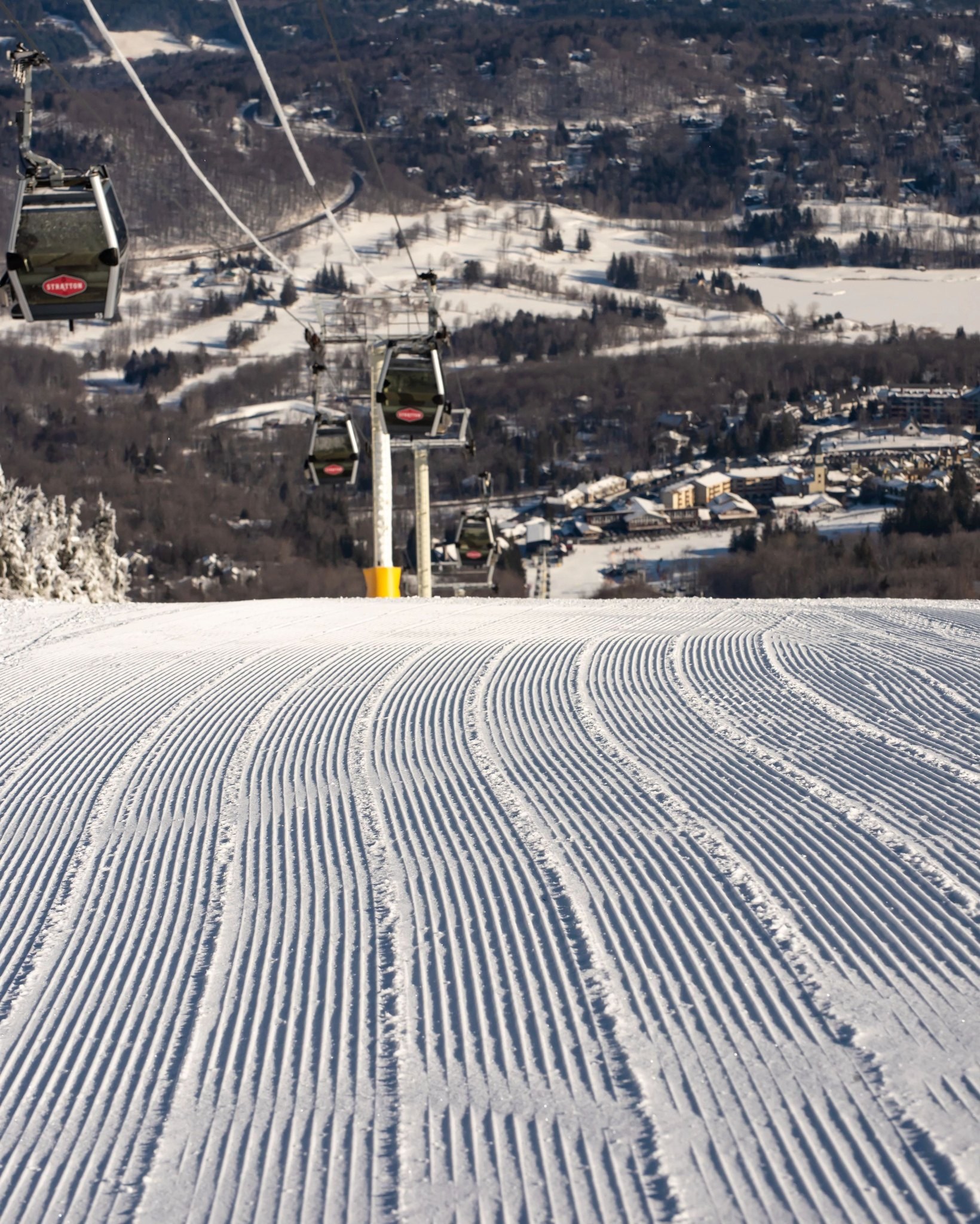
- East Coast Duality: Groomed corduroy for cruisers and challenging parks for park rats—something for every type of rider
- Après and Culture: A lively social scene blends with serious snowboarding, keeping the mountain fun on and off the slopes
For almost THREE decades, Burton held the US Open in its own backyard on the slopes of Stratton Mountain. It was THE event of the year. This is where Craig Kelly floated big airs over a pipe to beat out legends like Shaun Palmer and Jeff Brushie. Where a playful snowball fight became a full-on brawl. It was wild. It was… snowboarding at its core. Sadly, the US Open moved to Vail and has become a shell of itself and only about the cash purse.
A Resort Of Opposites
Fast forward to present day and while the heart isn’t beating as fast, Stratton still has snowboarding in its soul. They’ve created an event called the Homesick harkens back to the good ole days of “The Open” and celebrating that history. Out of the New England resorts, this might have the biggest split personality. You’ll find New York’s elite getting in laps on gorgeous corduroy. At the same time, the après scene is still alive and kicking along with knuckledraggers getting their 3’s dialed in one of the East’s best terrain parks. For some reason it works.
Copper Mountain: No Flats, All Flow

Mountain Stats
Base Elevation: 9,712
Vertical drop: 2,601 feet
Acreage: 2,500 acres
Lifts: 23
Trails: 140
Snowfall: 300 inches
Why Copper Belongs on Every Snowboarder’s List
- Snowboarder’s Terrain: Flows naturally with minimal flat traverses—west for cruisers, east for steep and deep terrain.
- Fast Laps: High-speed quads and six-packs get you back to the top quickly, maximizing ride time.
- Prime Conditions: High altitude and 60%+ north-facing terrain keep snow quality top-notch, often better than Breck or Keystone.
- Park Progression: Woodward Parks, run by Chris “Gunny” Gunnarson, feature some of the best terrain park setups in North America.
How could a list of the best snowboarding spots skip Colorado’s Front Range? While Breck and Keystone lean more family these days, Copper Mountain rules for snowboarders. From Grand Prix events to Woodward Camps, the culture here is alive on every lap.
A Mountain Built for Snowboarders
No one likes flat cat tracks. Copper flows naturally: easier terrain on the west, steep and deep on the east, so you spend more time riding, less time unstrapping. High-speed quads and six-packs get you back up fast, maximizing laps. With high altitude and 60%+ plus north facing terrain, the most on the Front Range, conditions can beat Breck or Keystone despite less snow. Chris “Gunny” Gunnarson, the legend behind Big Bear’s parks, oversees Copper’s Woodward Parks. They’re consistently rated among the best in North America, packed with features that make every run a chance to progress.
Whistler Blackcomb: Where Snowboarding Went Big and Never Looked Back
Mountain Stats
Base Elevation: 2,214 feet
Vertical drop: 5,280 feet
Acreage: 8,171 acres
Lifts: 26
Trails: 200+
Snowfall: 305 inches
Why Whistler Belongs on Every Snowboarder’s List
- Snowboarding Legacy: Birthplace of snowboard cross in 1991 and where the sport’s history was written in real time
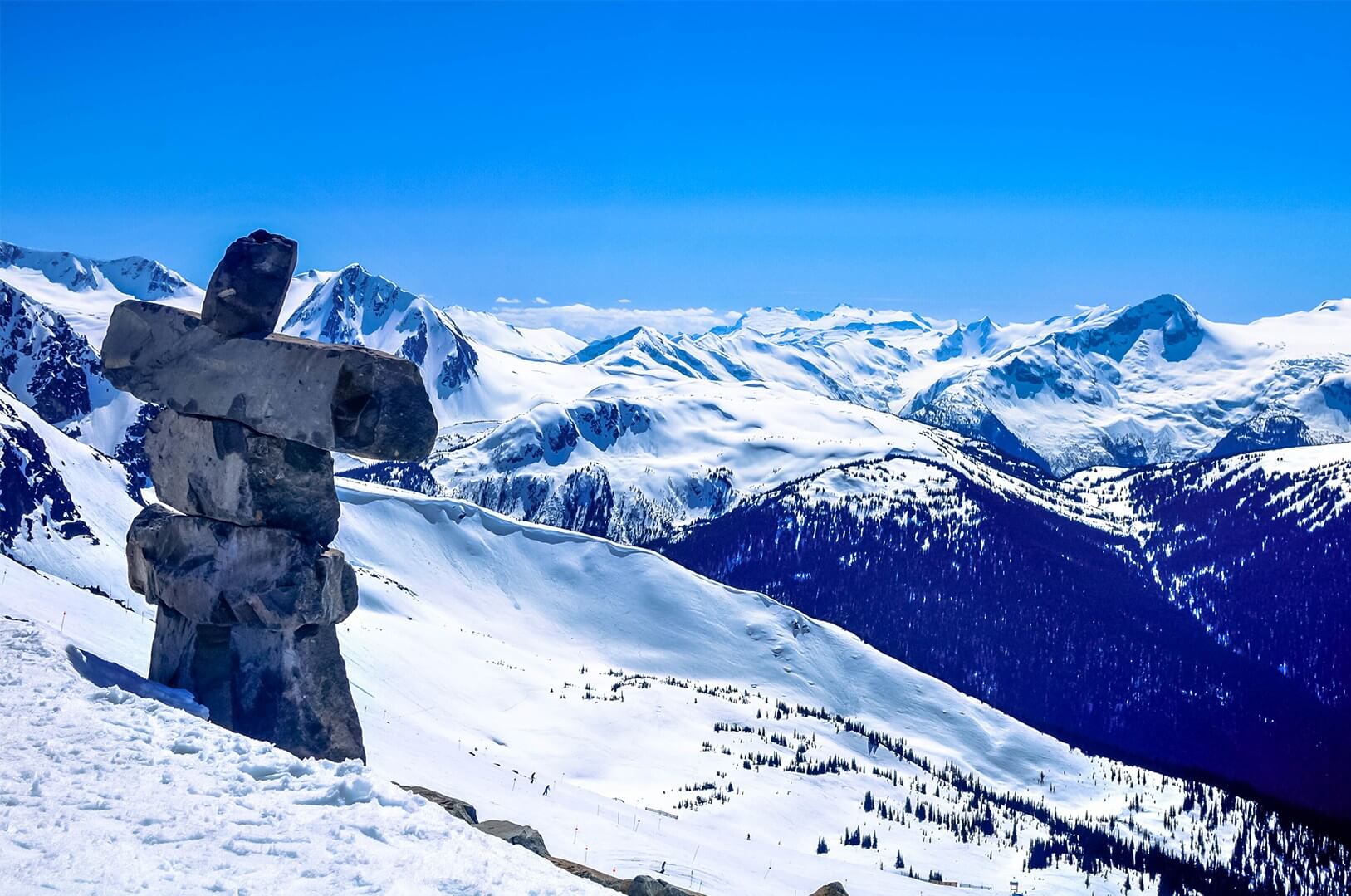
- Terrain at Massive Scale: Two mountains, over 8,100 acres, and nearly a mile of vertical, delivering everything from high alpine bowls to deep tree lines and natural freeride zones
- Ride It Your Way: A rare mix of big mountain lines, playful natural features, and world class terrain parks that let every style of snowboarding thrive
- Village and Culture: A lively, global après scene paired with deep snowboarding roots keeps the energy high long after the lifts stop spinning
Let’s address the elephant in the room. Whistler Blackcomb is owned by Vail. Powder days can mean long lift lines, and the pullback on spring and summer skiing has definitely rubbed locals the wrong way. All fair. And yet… Whistler is still the destination for snowboarding in Canada. Long before snowboard cross was an Olympic event, Whistler helped invent it back in 1991. While SoCal shaped terrain parks, Whistler pushed competitive freeriding and cross, and it still flies the snowboard flag with events like Showcase Showdown, the oldest snowboard contest in Canada.
The Big One
Whistler is like New York City. It can be anything you want it to be, depending on how you ride. It’s still the largest resort in North America, with over 8,171 acres, 200 plus trails, and nearly a mile of vertical spread across two massive mountains. High alpine bowls, endless tree lines, playful side hits, deep freeride zones, it’s all here. Add in a lively village scene and one of the longest snowboard seasons around, usually stretching into May, and it’s easy to see why Whistler Blackcomb remains a bucket list mountain for riders everywhere.
Honorable Mention: Sierra-at-Tahoe
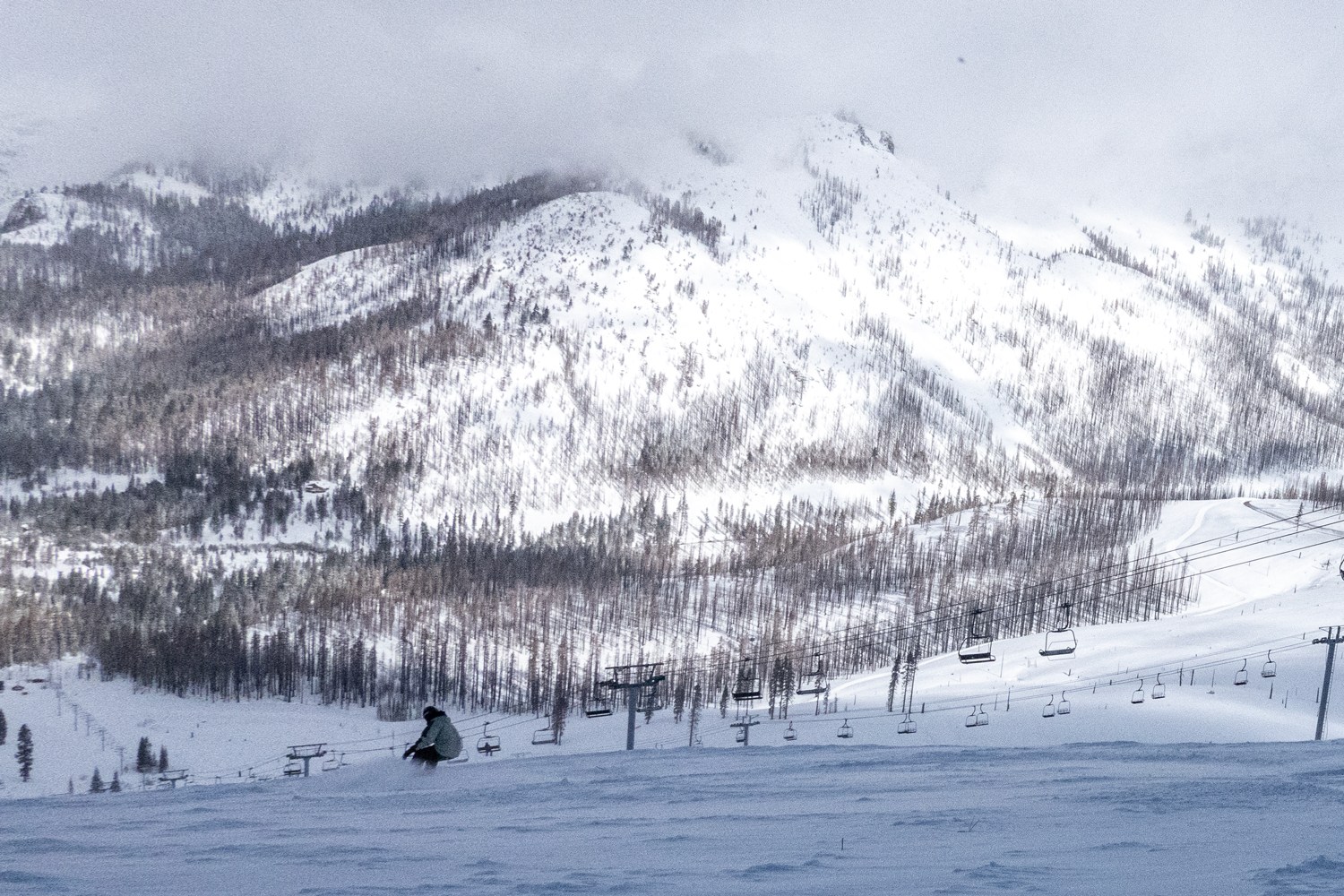
The devastating Caldor fire hit our Lake Tahoe resort hard. But as we found out after they re-opened, it may have tempered the excitement for a bit, but it still has the energy and vibes that attracted us to make it our home mountain: Sierra-at-Tahoe. The 2,000+ acres are still filled with endless Kootenay-like boulders, chutes, and cliffs to huck off albeit a few less trees. The terrain parks are still meticulously groomed, and it still is the only ski resort left on Lake Tahoe’s south shore to have a half pipe. On top of it, John Rice, the manager of Sierra, endlessly gives back to the community and is dedicated to the rebuild efforts. Wondering what the new Sierra-at-Tahoe is like? Read our 1st time back riding it here – The “New” Tahoe Ski Resort Sierra at Tahoe After The Caldor.
It’s so easy to create a list of the best places for snowboarding that just iterates what the ski magazines talk about. We wanted our list to be different. To not just focus on the snowiest or the largest ski resort. But places that care about snowboarding in their soul not as a second-class citizen but as an equal partner in the winter sports world. Who would you add to this list?